
- October 12, 2026
- DrnikhilK
- 10:08 am
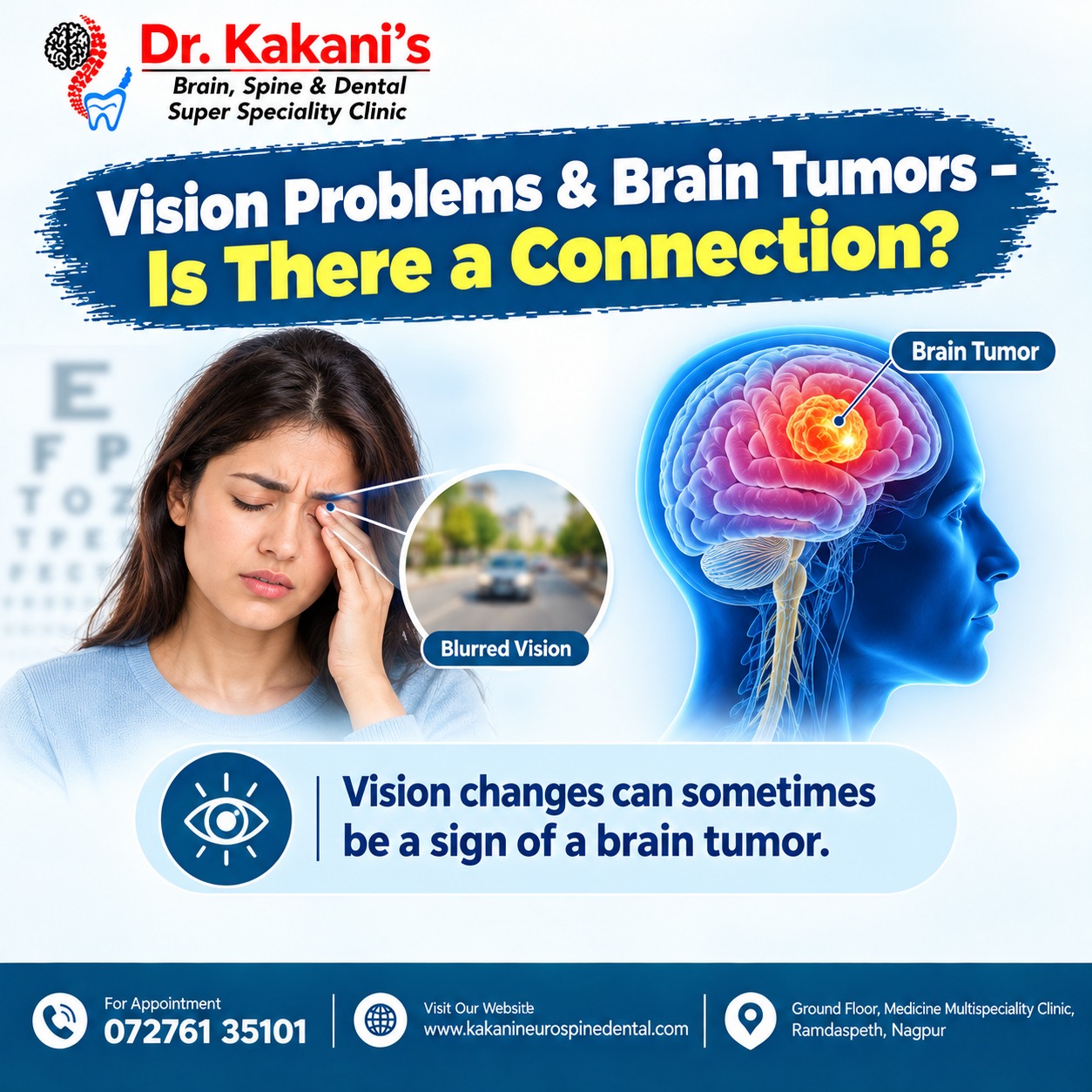
How Can Brain Tumors Affect Vision?
Common Vision Problems Associated With Brain Tumors
1. Blurred Vision
2. Double Vision
3. Loss of Peripheral Vision
4. Partial or Sudden Vision Loss
Some brain tumors can affect the optic nerve or other visual pathways, resulting in partial vision loss. However, sudden vision loss can also signal an eye emergency, a stroke, or another serious medical condition.
Therefore, seek emergency medical care for sudden loss of vision rather than waiting for symptoms to improve.
5. Changes in Visual Clarity or Eye Movement
Some patients experience difficulty focusing, abnormal eye movements, or visual disturbances. Moreover, tumors affecting specific neurological pathways may interfere with coordination between the eyes and brain.
However, these symptoms do not automatically indicate a brain tumor. A comprehensive eye and neurological examination can help determine whether additional investigations are necessary.
Other Brain Tumor Symptoms to Watch For
Vision changes may occur alongside other symptoms, depending on the tumor’s location and size. Therefore, pay attention to persistent or progressive changes in your overall health.
Common warning signs may include:
Persistent or worsening headaches
Nausea or vomiting, particularly with other neurological symptoms
Seizures
Weakness or numbness in an arm or leg
Problems with balance or coordination
Difficulty speaking or understanding language
Memory changes or unusual behavior
New or worsening vision problems
Moreover, these symptoms can occur with conditions other than brain tumors. However, new, progressive, or unexplained symptoms should prompt a medical evaluation.
Does Every Vision Problem Indicate a Brain Tumor?
No. Most vision problems result from conditions other than brain tumors. For example, refractive errors, cataracts, glaucoma, dry eyes, migraines, and retinal disorders can affect eyesight.
However, doctors may investigate a neurological cause when vision changes persist without a clear eye-related explanation or occur alongside other concerning symptoms. Therefore, avoid assuming the worst or ignoring persistent symptoms.
An eye examination can identify many common causes of vision problems. In addition, a doctor may recommend neurological assessment or brain imaging when the symptoms and examination findings suggest a problem affecting the brain or optic pathways.
How Do Doctors Diagnose Vision Problems Related to Brain Tumors?
Doctors use a combination of examinations and diagnostic tests to identify the cause of vision changes. The recommended approach depends on the patient’s symptoms, medical history, and examination findings.
1. Comprehensive Eye Examination
An ophthalmologist may assess visual acuity, peripheral vision, pupil responses, eye movements, and the optic nerve. Moreover, these tests can reveal signs that suggest pressure on the optic nerve or another neurological problem.
2. Neurological Examination
A doctor may evaluate reflexes, coordination, muscle strength, balance, speech, and other neurological functions. Therefore, the examination can help determine whether symptoms involve areas beyond the eyes.
3. MRI or CT Scan
Magnetic resonance imaging (MRI) provides detailed images of the brain and can help identify tumors and their relationship to surrounding structures. However, doctors may use a CT scan when rapid imaging is necessary or when MRI is unsuitable.
4. Additional Tests
Depending on the findings, doctors may recommend formal visual field testing, optical coherence tomography (OCT), blood tests, or other investigations. Consequently, the results help the medical team develop an appropriate diagnosis and treatment plan.
Treatment Options for Brain Tumors Affecting Vision
Treatment depends on the tumor type, location, size, growth rate, and overall health of the patient. Moreover, doctors consider whether the tumor is benign or malignant and whether it causes pressure on critical visual structures.
Surgery
Neurosurgeons may recommend surgery when removing the tumor is appropriate and safe. However, the surgical approach depends on the tumor’s location and its relationship to important nerves and blood vessels.
Radiation Therapy
Radiation therapy uses targeted radiation to control or destroy tumor cells. Therefore, doctors may recommend it for certain tumors that cannot be completely removed or that require additional treatment after surgery.
Chemotherapy and Other Medicines
Some tumors respond to chemotherapy, targeted therapies, or other medications. Moreover, doctors may prescribe medicines to manage swelling, seizures, or other symptoms when clinically appropriate.
Vision Monitoring and Rehabilitation
Patients may need regular eye examinations and visual field testing during or after treatment. In addition, low-vision rehabilitation and supportive services can help people adapt to persistent visual difficulties.
When Should You See a Doctor?
Seek medical advice if you experience persistent blurred vision, unexplained double vision, progressive loss of peripheral vision, or other new visual changes. Moreover, arrange prompt assessment if these symptoms occur alongside persistent headaches, balance problems, or other neurological changes.
However, seek emergency medical care for sudden vision loss, a first seizure, a sudden severe headache, or vision changes accompanied by weakness, facial drooping, confusion, or difficulty speaking. These symptoms may indicate a serious condition that requires immediate attention.
Consult Dr. Kakani's Clinic
Dr. Kakani’s Brain, Spine & Dental Super Speciality Clinic
Appointment: 07261 35101
Website: www.kakineurospinedental.com
Address: Ground Floor, Medicine Multispeciality Clinic, Ramdaspeth, Nagpur.