At Dr. Kakani’s Brain, Spine and Dental Super Speciality Clinic, we provide comprehensive Full Mouth Rehabilitation for patients facing multiple dental concerns, including missing teeth, severe wear, bite collapse, gum disease, or failing restorations. Our team carefully designs this advanced treatment to restore oral function and aesthetic harmony while ensuring long-term stability and comfort. We begin the rehabilitation process with a thorough clinical evaluation and advanced diagnostic assessment. Our specialists conduct detailed examinations and use digital X-rays along with 3D imaging to accurately assess bone levels, jaw alignment, and any underlying infections. Based on these findings, we create a precise and personalized treatment plan that rebuilds the entire oral system effectively and safely.
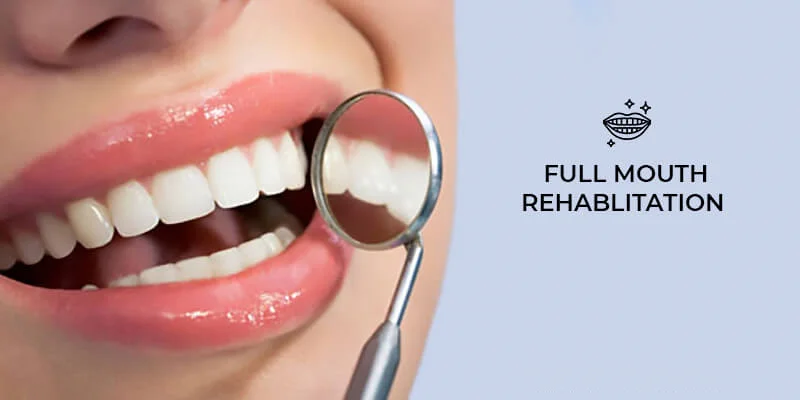
Full Mouth Rehabilitation at Dr.Kakani's Brain, Spine and Dental Super Speciality Clinic
What Is Full Mouth Rehabilitation?
Full Mouth Rehabilitation, also known as full mouth reconstruction, is an advanced and comprehensive dental procedure that restores the overall health, function, and appearance of both the upper and lower teeth. Dentists use a combination of restorative, cosmetic, and, when necessary, surgical techniques to repair or replace teeth that are severely damaged, worn down, decayed, or missing.
Instead of treating isolated dental problems, dentists take a holistic approach and rebuild the entire oral system. Unlike a cosmetic smile makeover, which mainly enhances appearance, full mouth rehabilitation focuses on correcting bite alignment, restoring proper jaw function, strengthening tooth structure, and ensuring long-term oral stability. As a result, patients not only achieve a more attractive smile but also enjoy improved comfort, better chewing efficiency, and long-lasting dental health.
Who Needs Full Mouth Rehabilitation?
Dentists often recommend Full Mouth Rehabilitation for individuals who face multiple or advanced dental concerns that interfere with daily comfort and confidence. When patients lose several teeth, they struggle with inefficient chewing, and their facial support gradually diminishes. Similarly, long-term grinding (bruxism) shortens teeth, disrupts bite balance, and causes persistent jaw discomfort. Over time, broken, cracked, or heavily restored teeth weaken further and become more vulnerable to fracture or infection.
Chronic jaw pain, recurring headaches, or temporomandibular joint (TMJ) disorders often indicate underlying bite misalignment. Advanced gum disease can damage the supporting bone structure and reduce tooth stability. Patients who find it difficult to chew certain foods or speak clearly may also require comprehensive correction. In many cases, failing crowns, bridges, or outdated restorations signal the need for a more stable and long-term solution.
If patients ignore these problems, complications can worsen. Progressive bone loss can change facial contours, and improper chewing can contribute to digestive discomfort. Therefore, seeking early professional evaluation helps dentists identify and address underlying issues systematically. With timely intervention, they can restore oral health, reestablish functional balance, and help patients regain lasting comfort and confidence.
Conditions Treated with Full Mouth Rehabilitation
Dentists design Full Mouth Rehabilitation to manage a wide range of complex dental conditions that affect not only oral health but also daily comfort and confidence. Many patients present with multiple concerns at the same time. For instance, extensive tooth decay significantly weakens tooth structure and increases the risk of infection and further deterioration. Similarly, chronic grinding, acidic dietary habits, or certain medical conditions cause severe enamel erosion, leading to heightened sensitivity, reduced tooth height, and gradual bite collapse.
Accidents or injuries can crack, fracture, or displace teeth, requiring comprehensive restoration to regain proper function. Individuals with congenital jaw or bite irregularities often experience uneven pressure distribution, difficulty chewing, and persistent discomfort. Long-term tooth loss can lead to bone resorption and noticeable facial changes, while advanced periodontal disease weakens the gums and supporting bone. In addition, malocclusion (improper bite alignment) places excessive strain on specific teeth and jaw joints, worsening overall dysfunction.
By systematically addressing these structural, functional, and aesthetic issues, dentists use Full Mouth Rehabilitation to create a complete transformation. They rebuild strength, restore bite balance, and enhance facial support. Ultimately, this comprehensive approach improves oral stability, enhances appearance, and restores overall confidence.
Procedures Included in Full Mouth Rehabilitation
Dentists carefully customize every Full Mouth Rehabilitation treatment plan after evaluating detailed clinical findings, diagnostic imaging, and bite analysis. Because each patient presents with a unique oral condition, they select a specific combination of procedures to match individual needs. Their primary goal is to restore strength, stability, function, and aesthetics in a structured and long-lasting manner.
1. Dental Crowns
Dentists use dental crowns to restore teeth that are severely weakened, cracked, or heavily filled. By covering the entire visible portion of the tooth, crowns reinforce structural integrity and restore natural shape, size, and appearance. They also protect compromised teeth from further damage and improve chewing efficiency.
2. Dental Bridges
Dentists place dental bridges to replace one or more missing teeth by anchoring them to adjacent healthy teeth. This approach restores bite balance, prevents neighboring teeth from shifting, and improves overall function. Bridges also enhance smile aesthetics by closing visible gaps.
3. Dental Implants
Dentists recommend dental implants as a permanent and highly stable solution for missing teeth. Unlike removable options, implants integrate with the jawbone, preserve bone structure, and prevent facial sagging. They function like natural teeth and provide long-term durability.
4. Root Canal Treatment
When infection affects the inner pulp of a tooth, dentists perform root canal treatment to remove bacteria and preserve the natural tooth structure. This procedure prevents extraction and maintains proper alignment within the dental arch.
5. Periodontal (Gum) Therapy
Dentists perform gum therapy to treat infection, reduce inflammation, and stabilize bone support before placing final restorations. Healthy gums play a crucial role in the long-term success of full mouth rehabilitation.
6. Veneers
Dentists place veneers to enhance the appearance of front teeth. Veneers correct discoloration, minor misalignment, and uneven shapes, creating a more balanced and attractive smile.
7. Orthodontic Treatment
When patients have misalignment or bite discrepancies, dentists use orthodontic treatment to reposition teeth, establish proper alignment, and ensure balanced force distribution.
8. Bone Grafting
If bone loss has occurred, dentists perform bone grafting to rebuild the jaw structure and create adequate support for dental implants and long-term stability.
By combining these procedures strategically, dentists restore complete function, structural strength, and aesthetic harmony—ultimately creating a fully rehabilitated and confident smile.
Advanced Technology Used in Full Mouth Rehabilitation
Modern dentistry enhances Full Mouth Rehabilitation by combining precision, comfort, and advanced technology. Dentists use digital X-rays and 3D CBCT scans to capture detailed images of teeth, bone, and nerves, which helps them make accurate diagnoses and plan safer treatments. They also use intraoral scanners to replace messy traditional impressions and create precise digital models that ensure better-fitting restorations.
In addition, dentists apply Digital Smile Design (DSD) to visualize the final outcome before starting treatment, allowing them to achieve better aesthetic harmony. They perform computer-guided implant placement to increase surgical accuracy and long-term stability. By selecting high-quality zirconia and ceramic restorations, they provide both strength and a natural appearance. Together, these advanced technologies help dentists reduce treatment time, improve patient comfort, and deliver long-lasting, predictable results.
Step-by-Step Full Mouth Rehabilitation Process
Full Mouth Rehabilitation follows a structured and carefully planned approach to restore both function and aesthetics. Because every case is unique, dentists design each phase strategically to ensure long-term success.
Step 1: Comprehensive Consultation
Dentists begin with a detailed oral examination to assess the teeth, gums, and existing restorations. They perform bite analysis and evaluate the jaw joints to identify misalignment or TMJ issues. Additionally, they use digital X-rays or 3D scans to examine bone levels and detect hidden infections. As a result, they establish an accurate diagnosis.
Step 2: Personalized Treatment Planning
After completing the evaluation, dentists develop a customized and phased treatment plan. They organize the sequence of procedures carefully to restore function safely while enhancing smile aesthetics. This strategic planning helps them achieve predictable and stable results.
Step 3: Foundation Phase
Before placing final restorations, dentists address underlying issues. They treat gum disease, eliminate infections, and restore or remove severely damaged teeth. In some cases, they perform extractions or bone grafting to strengthen the jaw. By doing so, they create a healthy and stable foundation for long-term success.
Step 4: Restorative Phase
Next, dentists place restorations such as crowns, bridges, implants, or veneers. At the same time, they carefully monitor bite alignment to ensure balanced force distribution. Through this approach, they restore chewing function, improve speech clarity, and enhance facial support.
Step 5: Final Adjustments
Finally, dentists make precise adjustments to refine bite alignment and improve smile symmetry. These final refinements ensure both functional strength and aesthetic harmony.
Overall, dentists build each phase upon the previous one, creating a durable, comfortable, and long-lasting rehabilitation outcome.
Benefits of Full Mouth Rehabilitation
Full Mouth Rehabilitation offers comprehensive benefits that go far beyond cosmetic improvement. Because it addresses both functional and structural concerns, the results positively impact daily comfort, appearance, and overall well-being.
To begin with, the treatment restores natural chewing ability, allowing patients to eat a wider variety of foods comfortably. When teeth are damaged, missing, or misaligned, chewing efficiency decreases significantly. As a result, digestion may also be affected. By rebuilding the bite and strengthening the teeth, full mouth rehabilitation enables proper food breakdown and improves overall nutritional health.
In addition, the procedure improves speech clarity. Missing teeth, worn enamel, or improper bite alignment can interfere with pronunciation and articulation. Once the teeth are properly aligned and restored, speech becomes clearer and more natural. Consequently, patients often notice greater ease and confidence in conversations.
Moreover, full mouth rehabilitation eliminates chronic jaw pain and discomfort. Bite imbalances and worn-down teeth place excessive strain on the jaw joints and surrounding muscles. Over time, this can lead to headaches, facial pain, and temporomandibular joint (TMJ) issues. By correcting the bite and restoring harmony between the upper and lower jaws, the treatment relieves unnecessary pressure and significantly reduces pain.
How Long Does Full Mouth Rehabilitation Take?
The overall duration of Full Mouth Rehabilitation largely depends on the complexity of the case and the specific procedures involved. Because every patient presents with unique dental conditions, the timeline is carefully customized to ensure optimal healing, structural stability, and long-term success.
To begin with, in relatively simple cases—where treatment primarily involves crowns, minor bite corrections, or limited restorative work—the process may typically take approximately 4 to 8 weeks. During this period, diagnostic evaluations, tooth preparation, and placement of final restorations are completed in a structured sequence. Since fewer surgical procedures are required, healing time is minimal, which allows the treatment to progress efficiently.
On the other hand, when dental implants are part of the rehabilitation plan, the duration naturally extends. Implant-based cases often require 3 to 6 months, as sufficient healing time is essential for proper osseointegration—the process by which the implant fuses with the jawbone. Initially, the implant is surgically placed into the bone. Subsequently, a healing phase is allowed to ensure stability before the final crown or bridge is attached. Although this staged approach requires patience, it significantly enhances the long-term durability of the restoration.
Is Full Mouth Rehabilitation Painful?
One of the most common concerns patients have before starting Full Mouth Rehabilitation is whether the procedure will be painful. Fortunately, modern dentistry has advanced significantly, making comprehensive dental treatments far more comfortable than many people expect.
Understanding Pain Management in Full Mouth Rehabilitation
To begin with, full mouth rehabilitation is carefully planned and performed in phases. Because multiple procedures may be involved—such as crowns, dental implants, root canal treatment, or gum therapy—dentists prioritize effective pain control at every stage. As a result, patients experience minimal discomfort during the treatment process.
Local Anesthesia Ensures Comfort
During most restorative procedures, local anesthesia is administered to numb the treatment area completely. Consequently, you will not feel pain while your dentist works on your teeth. You may experience slight pressure or vibration, but sharp discomfort is effectively eliminated.
Moreover, modern anesthetic techniques are precise and long-lasting, ensuring comfort throughout the procedure.
Sedation Dentistry for Anxious Patients
For patients with dental anxiety or those undergoing lengthy procedures, sedation options may also be available. These can include oral sedation or IV sedation, depending on the complexity of the case and patient needs. Therefore, even individuals who feel nervous about dental treatments can undergo full mouth rehabilitation in a relaxed and stress-free manner.
Cost of Full Mouth Rehabilitation
Understanding the cost of Full Mouth Rehabilitation is essential before committing to this comprehensive dental treatment. Since full mouth rehabilitation involves multiple procedures tailored to an individual’s specific needs, the overall investment can vary significantly from person to person. Unlike single dental treatments (such as a simple filling or crown), full mouth rehabilitation is a customized, multi-step restorative process designed to improve both function and aesthetics.
Why the Cost Varies
The price of full mouth rehabilitation depends on several key factors, including:
1. Extent of Dental Work Needed
Patients with widespread tooth decay, severe wear, missing teeth, or bite dysfunction require more extensive treatment. This can include crowns, bridges, implants, veneers, root canals, periodontal therapy, and more. Naturally, the more procedures involved, the higher the overall cost.
2. Type and Quality of Materials
The choice of restorative materials significantly affects the final price. For example, premium materials such as zirconia crowns or all-ceramic bridges tend to be more durable and aesthetic but come with a higher price tag compared to traditional metal-based restorations. Likewise, the cost of dental implants varies based on implant brand, design, and prosthetic components used.
3. Need for Advanced Procedures
Some patients require additional treatments before restorative work can begin. Examples include:
Bone grafting to strengthen jawbone for dental implants
Gum disease treatment to stabilize oral health
Orthodontic corrections to realign bite
These necessary preparatory procedures add to the total investment but ensure long-term success.
4. Technology and Expertise
Clinics that use advanced digital technology—such as 3D CBCT scanning, digital smile design (DSD), and guided implant placement—often deliver more accurate and predictable results. While this improves outcomes, it may increase treatment costs. Additionally, the experience and specialization of your dental team influence pricing. Highly trained prosthodontists or restorative specialists often charge more for their expertise.
Why Choose Full Mouth Rehabilitation Over Temporary Fixes?
While temporary dental solutions may offer short-term relief from discomfort or cosmetic concerns, they often fail to resolve the underlying structural problems affecting your oral health. In many cases, these quick fixes address visible symptoms without correcting bite imbalances, weakened tooth structure, or jaw dysfunction. As a result, the original issue may continue to progress, eventually leading to more complex complications.
In contrast, Full Mouth Rehabilitation focuses on identifying and treating the root cause of dental damage. To begin with, it corrects structural weaknesses by rebuilding compromised teeth with durable restorations such as crowns, bridges, or implants. By reinforcing the foundation of your teeth, the treatment restores strength and functionality while protecting against further deterioration.
Moreover, this comprehensive approach reestablishes proper bite alignment. When teeth are worn down, missing, or uneven, the bite becomes unstable, placing excessive pressure on certain areas of the mouth. Over time, this imbalance can contribute to jaw pain, headaches, and additional tooth damage. Through precise planning and bite correction, full mouth rehabilitation distributes forces evenly, thereby enhancing comfort and long-term function.
Preventing Future Complications Through Full Mouth Rehabilitation
In addition, addressing foundational issues helps prevent future complications. Instead of repeatedly repairing individual teeth, the treatment stabilizes the entire oral system. Consequently, the risk of fractures, gum problems, and premature restoration failure is significantly reduced.
Furthermore, full mouth rehabilitation provides lasting stability. Because the treatment plan is customized and strategically phased, each procedure supports the overall outcome. This integrated approach ensures that aesthetic improvements are backed by functional strength.
Ultimately, choosing full mouth rehabilitation represents more than a cosmetic enhancement; it reflects a commitment to comprehensive and lifelong oral health. By investing in a solution that restores structure, function, and harmony, patients gain not only a confident smile but also lasting peace of mind.
Essential Aftercare Guide for Full Mouth Rehabilitation
Maintaining the results of your Full Mouth Rehabilitation requires consistent oral care and mindful habits. While advanced restorations such as crowns, bridges, and implants are designed for durability, their longevity greatly depends on how well they are maintained. Therefore, adopting a structured oral hygiene routine is essential to protect your investment and preserve your smile for years to come.
To begin with, brushing your teeth at least twice a day plays a crucial role in preventing plaque buildup around restorations. Using a soft-bristled toothbrush along with a non-abrasive fluoride toothpaste helps clean the surfaces effectively without damaging ceramic or zirconia materials. In addition, brushing along the gumline ensures that harmful bacteria do not accumulate around crowns or implants, which could otherwise lead to gum inflammation.
Equally important is daily flossing. Although brushing cleans the visible surfaces of your teeth, flossing removes debris and plaque from between teeth and beneath restorations where a toothbrush cannot reach. For patients with bridges or implant-supported restorations, specialized tools such as floss threaders, interdental brushes, or water flossers may be recommended. As a result, these additional cleaning aids enhance hygiene and reduce the risk of complications.
Furthermore, if your dentist has prescribed a night guard, it is essential to wear it consistently. Many patients unknowingly grind or clench their teeth during sleep, a condition known as bruxism. Over time, this habit can place excessive pressure on dental restorations. By wearing a custom night guard, you protect your teeth from unnecessary stress and prevent fractures or premature wear
How to Protect Your Full Mouth Rehabilitation for Years to Come ?
In addition to maintaining home care, scheduling regular dental check-ups every six months is highly recommended. During these visits, your dentist will examine your restorations, evaluate your bite alignment, and professionally clean your teeth. Early detection of minor issues allows for timely adjustments, which ultimately prevents larger complications.
Moreover, being mindful of dietary habits can significantly impact the lifespan of your restorations. Avoiding extremely hard foods such as ice, hard candies, or unpopped popcorn kernels helps minimize the risk of chipping or cracking. Similarly, limiting acidic and sugary foods reduces the chance of decay around restoration margins.
At the same time, maintaining overall health contributes positively to oral health. Staying hydrated, eating a balanced diet rich in calcium and vitamins, and managing medical conditions like diabetes can improve gum stability and healing capacity.
When these preventive measures are followed consistently, full mouth rehabilitation results can last between 10 to 20 years or even longer. Ultimately, long-term success depends on a combination of professional care, proper hygiene, and protective habits. By committing to these practices, you not only safeguard your restorations but also preserve a healthy, confident smile for decades to come.
Frequently Asked Questions (FAQ) For Full Mouth Rehabilitation
1. Is full mouth rehabilitation the same as a smile makeover?
No. Smile makeovers focus mainly on aesthetics, while full mouth rehabilitation restores both function and health.
2. Can elderly patients undergo this treatment?
Yes, as long as they are medically fit.
3. Will dental implants be required?
Not always. The treatment depends on your specific condition.
4. Does insurance cover full mouth rehabilitation?
Partial coverage may apply for medically necessary procedures.
5. How do I know if I need full mouth rehabilitation?
If you have multiple dental issues affecting chewing, comfort, and appearance, a consultation is recommended.
If you are experiencing persistent headaches, seizures, or unexplained neurological symptoms, timely evaluation becomes important. You can book an appointment with Dr. Kakani at Kakani’s Brain Spine and Dental Super Speciality Clinic for a detailed neurological assessment and personalized guidance regarding brain health concerns.