Corrective Jaw Surgery / Orthognathic Surgery at Dr.Kakani's Brain, Spine and Dental Super Specialty Clinic
Corrective Jaw Surgery / Orthognathic Surgery is an advanced procedure designed to correct skeletal jaw misalignment and restore proper bite function. At Dr. Kakani’s Brain, Spine and Dental Super Speciality Clinic, specialists conduct comprehensive evaluations and provide precision-based surgical correction using modern diagnostic technology and advanced digital planning systems. When the upper and lower jaws do not align properly, patients may experience difficulty chewing, unclear speech, chronic jaw discomfort, frequent headaches, and noticeable facial asymmetry; therefore, choosing Corrective Jaw Surgery / Orthognathic Surgery becomes essential instead of relying solely on orthodontic treatment. By addressing the structural cause of the imbalance, this procedure restores functional stability, improves facial harmony, and ensures long-term oral health.
Who Needs Corrective Jaw Surgery?
At Dr. Kakani’s Clinic, orthognathic surgery is recommended for individuals experiencing severe overbite, underbite, crossbite, open bite, jaw growth abnormalities, or facial disproportion that cannot be corrected with braces alone. Many patients report persistent jaw pain, difficulty chewing certain foods, speech challenges, or recurring headaches; consequently, comprehensive skeletal evaluation becomes necessary to determine the most effective treatment approach. Furthermore, untreated jaw misalignment may gradually lead to excessive tooth wear, gum recession, muscle fatigue, and progressive discomfort, thereby affecting daily comfort and confidence. Through early diagnosis and structured planning, specialists provide safe and permanent corrective solutions.
Advanced Diagnostic Approach at Dr. Kakani's Clinic
Successful orthognathic surgery begins with detailed clinical assessment and advanced imaging because precise diagnosis directly influences long-term results. The team conducts bite analysis, jaw movement evaluation, facial profile assessment, and 3D CBCT scans to examine bone structure, nerve pathways, and alignment discrepancies. Additionally, digital treatment simulations allow patients to visualize expected outcomes before surgery, thereby improving clarity and decision-making confidence. Since advanced planning enhances surgical precision and minimizes risks, patients benefit from safer procedures and stable outcomes.
Procedure Overview
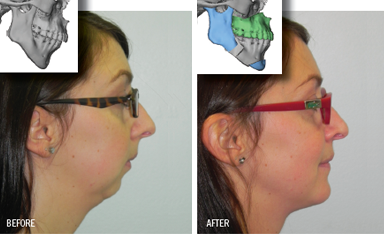
During corrective jaw surgery, experienced maxillofacial surgeons reposition the upper jaw, lower jaw, or both, depending on the skeletal imbalance. The procedure is performed under general anesthesia, and incisions are typically placed inside the mouth to avoid visible scarring. After repositioning the jaw bones into proper alignment, surgeons secure them using medical-grade titanium plates and screws to ensure stability during healing. In most cases, orthodontic treatment is coordinated before and after surgery to refine bite alignment; therefore, the final result achieves both skeletal correction and precise dental harmony.
Benefits of Orthognathic Surgery
Corrective jaw surgery offers both functional and aesthetic benefits because it treats the structural cause of misalignment rather than masking symptoms. Functionally, patients experience improved chewing efficiency, clearer speech, reduced jaw strain, and enhanced breathing support in select cases. Aesthetically, the procedure enhances facial symmetry, improves jawline definition, and creates balanced facial proportions. Moreover, by correcting skeletal discrepancies, the treatment prevents long-term dental complications and supports lasting oral health, which ultimately strengthens self-confidence.
Recovery and Healing
Recovery timelines vary depending on complexity; however, most patients gradually resume normal activities within a few weeks, while complete bone healing typically occurs over several months. Temporary swelling and mild discomfort are common but manageable with prescribed medication and structured aftercare guidance. Regular follow-up visits at Dr. Kakani’s Clinic ensure proper healing, bite stabilization, and long-term success.
Why Choose Dr. Kakani's Brain, Spine and Dental Super Speciality Clinic for Orthognathic Surgery?
Choosing the right surgical center plays a crucial role in achieving safe and predictable outcomes; therefore, patients benefit from selecting a clinic that combines expertise, advanced technology, and comprehensive care under one roof. At Dr. Kakani’s Brain, Spine and Dental Super Speciality Clinic, the treatment approach integrates detailed skeletal evaluation, digital surgical planning, and coordinated orthodontic support to ensure accurate jaw repositioning and long-term stability. Moreover, the clinic emphasizes patient education and structured treatment sequencing, which helps individuals clearly understand each stage of the procedure. Because corrective jaw surgery requires precision and multidisciplinary coordination, the team follows a systematic protocol that enhances safety, reduces complications, and improves healing efficiency. As a result, patients receive not only functional correction but also balanced facial aesthetics and improved overall oral health.
How Corrective Jaw Surgery Improves Quality of Life ?
Severe jaw misalignment does not only affect appearance; instead, it can interfere with everyday activities such as eating, speaking, and even breathing comfortably. When the bite remains unstable for extended periods, excessive pressure builds on specific teeth and jaw joints; consequently, patients may experience muscle fatigue, chronic headaches, and progressive tooth wear. By correcting skeletal discrepancies through orthognathic surgery, specialists restore balanced force distribution and reduce unnecessary strain on the temporomandibular joints. Furthermore, improved jaw alignment enhances speech clarity and chewing efficiency, which supports better digestion and overall wellness. In addition to functional improvement, patients often report increased confidence because facial symmetry and jaw definition become more proportionate and harmonious.
Orthognathic Surgery and TMJ Disorders
Many individuals suffering from temporomandibular joint (TMJ) discomfort may not realize that underlying skeletal imbalance contributes to joint stress; therefore, identifying the root structural cause becomes essential. When the jaws remain misaligned, uneven pressure affects the joint mechanism and surrounding muscles, which may lead to clicking sounds, restricted movement, or persistent pain. Through comprehensive diagnostic assessment and corrective jaw surgery, specialists can reposition the jaws into a stable alignment, thereby reducing abnormal joint strain. Although not every TMJ case requires surgery, severe skeletal discrepancies often benefit significantly from orthognathic correction, especially when conservative treatments fail to provide long-term relief.
Long-Term Stability and Predictable Outcomes
One of the primary advantages of corrective jaw surgery lies in its permanence and structural reliability; consequently, patients experience lasting improvement rather than temporary adjustments. Because the procedure addresses the jaw bones themselves, the correction remains stable once healing is complete. Additionally, modern computer-guided planning, 3D imaging, and precise surgical mapping enhance accuracy while minimizing risks. With proper post-surgical care and regular follow-ups at Dr. Kakani’s Clinic, patients maintain stable bite alignment and improved facial balance for years to come. Therefore, orthognathic surgery represents not only a corrective procedure but also a long-term investment in functional health and aesthetic harmony.
Why Orthognathic Surgery May Be Necessary
When orthodontic treatment alone cannot reposition the jaw bones into proper alignment, corrective jaw surgery becomes the most effective solution. Although braces align teeth, they cannot change the skeletal structure; consequently, patients with significant bone discrepancies continue to experience functional limitations even after orthodontic treatment. Through surgical repositioning, specialists correct the foundation itself, which allows teeth to align naturally within a stable and balanced framework. This comprehensive approach not only improves chewing efficiency but also reduces strain on the jaw joints and surrounding muscles.
Advanced Diagnostic Planning at Dr. Kakani's Clinic
Successful orthognathic surgery requires precise diagnosis and meticulous planning. At Dr. Kakani’s Clinic in Nagpur, the evaluation process includes:
Detailed clinical examination
Bite force analysis
Jaw movement assessment
Digital X-rays
3D CBCT imaging
Facial profile and symmetry analysis
Computer-guided surgical simulation
Because accurate planning significantly reduces risks and enhances predictability, digital technology plays a crucial role in modern jaw correction procedures. Additionally, patients can visualize expected results before surgery, which increases clarity and confidence in the treatment plan.
The Orthognathic Surgery Procedure
Corrective jaw surgery is performed under general anesthesia by an experienced maxillofacial surgeon. Depending on the specific condition, the surgeon may reposition the upper jaw, lower jaw, or both. In certain cases, chin reshaping may also be incorporated to enhance facial balance. To avoid visible scarring, surgeons typically place incisions inside the mouth; therefore, external marks are minimized.
Once the jaw bones are repositioned into their ideal alignment, medical-grade titanium plates and screws stabilize them during healing. Orthodontic treatment is usually required before and after surgery to fine-tune tooth positioning and achieve optimal bite harmony. The combined surgical and orthodontic approach ensures structural correction along with precise dental alignment.
Frequently Asked Questions For Corrective Jaw Surgery / Orthognatic Surgery
Is corrective jaw surgery permanent?
Yes, once healing is complete, the jaw remains in its corrected position, providing long-term stability.
Will surgery leave scars?
No visible scars are typically present because incisions are made inside the mouth.
Is orthodontic treatment required?
In most cases, braces or aligners are necessary before and after surgery for precise alignment.
How long is the hospital stay?
Most patients stay one to two days, depending on surgical complexity.
If you are experiencing persistent headaches, seizures, or unexplained neurological symptoms, timely evaluation becomes important. You can book an appointment with Dr. Kakani at Kakani’s Brain Spine and Dental Super Speciality Clinic for a detailed neurological assessment and personalized guidance regarding brain health concerns.