Dr. Kakani's Brain Spine and Dental Super Speciality Clinic

Minimally invasive spine surgery

Minimal Invasive Spine Surgery at Kakani's Brain Spine and Dental Super Specialty Clinic

At Dr. Kakani’s Brain, Spine and Dental Super Speciality Clinic, specialists perform minimally invasive spine Surgery procedures using advanced technology and evidence-based techniques to ensure precision, safety, and optimal outcomes.

Minimally Invasive Spine Surgery is an advanced surgical technique designed to treat spinal disorders through smaller incisions and specialized instruments. Unlike traditional open surgery, this approach minimizes muscle disruption, reduces tissue damage, and promotes faster recovery. Surgeons use high-precision imaging and microscopic guidance to access the affected spinal area with minimal trauma.

What is Minimally Invasive Spine Surgery?

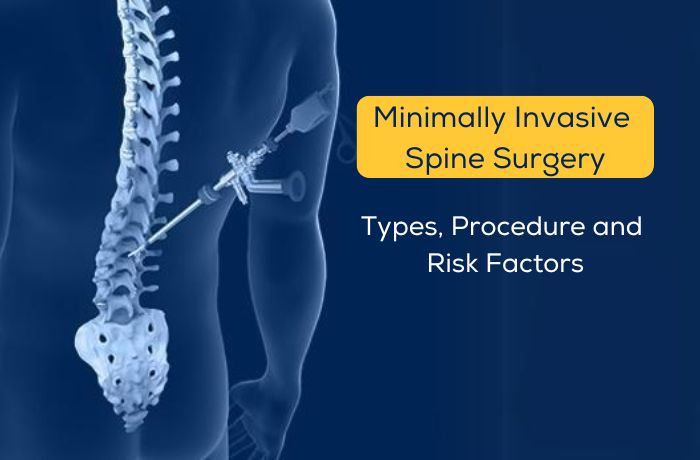
Minimally Invasive Spine Surgery involves performing spinal procedures through small incisions rather than large open cuts. Surgeons use specialized retractors, microscopes, endoscopes, and real-time imaging guidance to access the spine with minimal disruption to surrounding muscles and tissues.

This precision-based technique helps reduce post-operative discomfort and allows patients to return to daily activities more quickly compared to conventional spine surgery.

Conditions Treated with Minimally Invasive Spine Surgery

At Dr. Kakani’s Brain, Spine and Dental Super Speciality Clinic, our minimally invasive spine procedures provide precise, safe, and effective treatment for a wide range of spinal conditions. Using advanced imaging, expert surgical techniques, and modern technology, we relieve pain, restore spinal stability, and improve function with faster recovery.

We treat conditions such as herniated discs, spinal stenosis, sciatica, degenerative disc disease, spondylolisthesis, spinal instability, vertebral fractures, chronic lower back pain, and cervical or lumbar spine disorders. Minimally invasive techniques reduce tissue damage, blood loss, and post-operative pain while promoting quicker healing.

Early diagnosis and timely intervention prevent permanent nerve damage, improve mobility, and ensure long-term spinal health and quality of life.

Symptoms That May Require Spine Evaluation

You should consider consulting a spine specialist at Dr. Kakani’s Brain, Spine and Dental Super Speciality Clinic if you experience any of the following symptoms, especially if they persist or gradually worsen:

Persistent Back or Neck Pain:
Ongoing pain that lasts for weeks or months, particularly if it does not improve with rest, medication, or physiotherapy, may indicate an underlying spinal condition that requires expert evaluation.

Pain Radiating to Arms or Legs:
Sharp, shooting, or burning pain that travels from the spine into the arms or legs often signals nerve compression, such as sciatica or a herniated disc.

Numbness or Tingling Sensations:
A “pins and needles” feeling in the limbs may result from irritated or compressed nerves. If left untreated, this symptom can progress to more serious neurological deficits.

Muscle Weakness:
Weakness in the arms, hands, legs, or feet may suggest significant nerve involvement. This can interfere with daily activities and may worsen without timely intervention.

Difficulty Walking or Standing:
Spinal instability or nerve compression can affect balance, coordination, and endurance, making it difficult to stand or walk for extended periods.

Loss of Bladder or Bowel Control (Medical Emergency):
Sudden loss of bladder or bowel function may indicate severe spinal cord compression, such as cauda equina syndrome. This requires immediate medical attention.

Ignoring these warning signs can lead to worsening nerve compression, chronic pain, reduced mobility, and in severe cases, permanent nerve damage. Early diagnosis and timely spine evaluation significantly improve treatment outcomes and help preserve long-term spinal health and function.

Types of Minimally Invasive Spine Procedures

Depending on the diagnosis and severity of the spinal condition, specialists at Dr. Kakani’s Brain, Spine and Dental Super Speciality Clinic may recommend one of the following minimally invasive procedures to restore function and relieve pain:

1. Microdiscectomy

Surgeons perform microdiscectomy to treat herniated discs that compress spinal nerves. Using a small incision and microscopic guidance, they remove the portion of the disc pressing on the nerve. This procedure effectively relieves radiating pain, numbness, and weakness while preserving surrounding muscles and tissues.

2. Minimally Invasive Laminectomy

To treat spinal stenosis, surgeons perform a minimally invasive laminectomy by removing a small portion of bone or thickened ligament that is compressing the spinal cord or nerves. This creates more space within the spinal canal, reducing pain and improving mobility.

3. Endoscopic Spine Surgery

In endoscopic spine surgery, surgeons use a tiny high-definition camera inserted through a very small incision. This allows them to visualize and treat the affected area with exceptional precision, resulting in minimal tissue disruption, less post-operative discomfort, and faster recovery.

4. Minimally Invasive Spinal Fusion

When spinal instability or vertebral slippage occurs, surgeons perform minimally invasive spinal fusion to stabilize the affected segments. Through small incisions, they align and fuse the vertebrae using specialized instruments, restoring structural strength and preventing abnormal movement.

5. Vertebroplasty / Kyphoplasty

To treat spinal compression fractures, often caused by osteoporosis or trauma, surgeons inject medical-grade bone cement into the fractured vertebra (vertebroplasty) or first restore vertebral height using a balloon before cement placement (kyphoplasty). These procedures provide rapid pain relief and improved spinal stability.

Before performing any procedure, specialists carefully plan the treatment using advanced imaging techniques such as MRI, CT scans, and digital surgical mapping. This thorough planning ensures precision, enhances safety, minimizes risks, and delivers long-lasting, effective results.

Advanced Technology Used

At Dr. Kakani’s Brain, Spine and Dental Super Speciality Clinic, we employ state-of-the-art technology to ensure the highest precision and safety in spine procedures. Our advanced diagnostic and surgical tools include:

  • Digital X-rays – provide clear, detailed images of the spine for accurate assessment.

  • MRI and CT scans – help evaluate soft tissues, discs, nerves, and bone structure comprehensively.

  • 3D Imaging – allows surgeons to visualize the spine in three dimensions for precise planning.

  • Computer-Guided Surgical Planning – enables exact navigation during minimally invasive procedures.

  • High-Powered Surgical Microscopes – offer magnified views for intricate spine surgery.

  • Neuromonitoring Systems – continuously monitor nerve function during surgery to reduce risks.

By integrating these cutting-edge technologies, our specialists enhance surgical accuracy, minimize complications, and ensure safer, more effective outcomes for every patient.

Benefits of Minimally Invasive Spine Surgery

Minimally invasive spine techniques provide a range of significant benefits that make them a preferred choice over traditional open surgery. By using smaller incisions, these procedures minimize disruption to surrounding muscles and soft tissues, which reduces muscle damage and preserves spinal strength. Patients also experience less blood loss during surgery and a lower risk of infection, contributing to safer outcomes.

Post-operative discomfort is significantly reduced, allowing for shorter hospital stays and faster recovery. Minimal scarring ensures better cosmetic results, while patients can return to work and daily activities more quickly. Overall, these advantages combine to make minimally invasive spine surgery an effective, patient-friendly solution for treating complex spinal conditions.

Recovery After Minimally Invasive Spine Surgery

Recovery after minimally invasive spine surgery depends on the specific procedure performed and the patient’s overall health, but most individuals experience a faster and smoother healing process compared to traditional open surgery. Typically, patients may stay in the hospital for 1–2 days, and in some cases, same-day discharge is possible.

Most patients can start walking within 24 hours, which promotes circulation and accelerates recovery. Return to light daily activities usually occurs within 2–3 weeks, while full recovery—including resuming work, exercise, and normal routines—generally takes 6–12 weeks.

Physical therapy and guided rehabilitation are critical components of recovery. Targeted exercises help restore spinal strength, flexibility, and posture, prevent complications, and support long-term spinal health. Following the rehabilitation plan closely ensures optimal results and a quicker return to an active lifestyle.

Why Choose Dr. Kakani's Brain, Spine and Dental Super Speciality Clinic?

Choosing the right spine specialist plays a vital role in achieving safe, effective, and long-lasting results. At Dr. Kakani’s Brain, Spine and Dental Super Speciality Clinic, we combine expertise, technology, and a patient-focused approach to deliver comprehensive spine care. Our team includes highly experienced spine surgeons who specialize in minimally invasive and advanced spinal procedures.

We utilize state-of-the-art diagnostic facilities including MRI, CT, digital X-rays, and 3D imaging to accurately assess spinal conditions and guide treatment planning. Each patient receives personalized treatment plans tailored to their unique needs, supported by our modern operating infrastructure that ensures precision and safety.

Our clinic emphasizes multidisciplinary neurological care, integrating neurosurgery, physiotherapy, and rehabilitation for complete recovery. We maintain a patient-centered approach, providing guidance, support, and education at every step. With comprehensive post-surgical rehabilitation programs, we help patients regain strength, mobility, and quality of life.

At Dr. Kakani’s Clinic, our focus goes beyond temporary pain relief; we aim to restore long-term spinal health, functional stability, and overall mobility for a better, more active life.

Is Minimally Invasive Spine Surgery Safe?

When performed by trained spine specialists using advanced imaging guidance, minimally invasive spine surgery is safe and highly effective. Careful patient evaluation, detailed planning, and precision techniques significantly reduce surgical risks.

Frequently Asked Questions For Minimal Invasive Spine Surgery

1. Is minimally invasive spine surgery painful?

The procedure is performed under anesthesia. Post-operative pain is typically much less compared to traditional surgery.

2. How long does the surgery take?

Most procedures take 1–3 hours depending on complexity.

3. Will I need physiotherapy after surgery?

Yes, rehabilitation helps improve recovery speed and strengthens spinal support muscles.

4. Are the results permanent?

If the underlying condition is addressed properly and lifestyle modifications are followed, results are long-lasting.

5. Can elderly patients undergo minimally invasive spine surgery?

Yes, many elderly patients benefit from this technique due to reduced surgical stress and faster recovery.

If you are experiencing persistent headaches, seizures, or unexplained neurological symptoms, timely evaluation becomes important. You can book an appointment with Dr. Kakani at Kakani’s Brain Spine and Dental Super Speciality Clinic for a detailed neurological assessment and personalized guidance regarding brain health concerns.

Call Us Now.