Third Molar Removal in Nagpur at Kakani's Brain Spine and Dental Super Speciality Clinic
Third Molar Removal in Nagpur is commonly advised when wisdom teeth cause pain, swelling, or crowding. These molars usually erupt in late adolescence or early adulthood. However, limited space in the jaw often prevents proper alignment.
Consequently, partially erupted or impacted wisdom teeth may trap food and bacteria. Therefore, timely evaluation becomes essential to prevent infection and damage to nearby teeth. Early assessment helps maintain long-term oral health and comfort.
Why Wisdom Teeth Often Create Problems
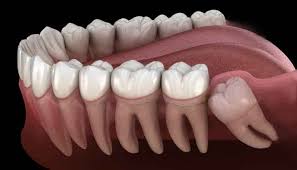
Wisdom teeth frequently grow at an angle or remain trapped under the gum. Moreover, improper eruption may push adjacent teeth, causing discomfort and bite misalignment.
Meanwhile, food particles easily collect around partially erupted molars. Consequently, gum inflammation and recurrent infections may develop. Therefore, monitoring these teeth regularly prevents complications that could otherwise become severe.
Symptoms That Indicate Third Molar Removal in Nagpur
Persistent pain at the back of the jaw often signals the need for Third Molar Removal in Nagpur. Additionally, swelling, bad breath, or difficulty opening the mouth may occur.
However, some patients experience repeated gum infections without severe pain. Therefore, even mild symptoms should not be ignored. Early consultation prevents worsening inflammation and protects neighboring teeth from decay.
Diagnostic Evaluation Before Third Molar Removal in Nagpur
Before recommending Third Molar Removal in Nagpur, dentists perform a thorough clinical examination. Therefore, they assess gum condition, tooth position, and jaw alignment.
Additionally, X-rays provide a clear image of the impacted tooth and surrounding bone. Consequently, the treatment plan becomes precise and safe. Careful evaluation reduces procedural risks and supports smooth recovery.
The Procedure for Third Molar Removal in Nagpur
During Third Molar Removal in Nagpur, local anesthesia ensures patient comfort. Therefore, the procedure remains painless while the dentist carefully accesses the impacted tooth.
Moreover, if the tooth lies deep within the jaw, small surgical steps may be required. Consequently, controlled removal minimizes trauma to surrounding tissues. After extraction, proper instructions help manage healing effectively.
Managing Pain and Swelling After Removal
Mild discomfort and swelling are common after wisdom tooth extraction. However, these symptoms usually improve within a few days. Therefore, following prescribed medication and care instructions supports faster healing.
Meanwhile, applying cold compresses reduces swelling during the initial period. Consequently, rest and soft food intake prevent strain on the surgical area. Proper aftercare plays a major role in comfortable recovery.
Why Choose Kakani's Brain Spine and Dental Super Speciality Clinic for Third Molar Removal in Nagpur
At Kakani’s Brain Spine and Dental Super Speciality Clinic, patient evaluation begins with detailed symptom assessment and imaging analysis. Therefore, each removal plan is customized based on tooth position and overall oral health.
Moreover, patient education remains an essential part of the process. Consequently, individuals understand healing timelines, dietary guidance, and preventive measures. This structured approach ensures both safe removal and long-term dental wellness.
Possible Complications if Wisdom Teeth Are Ignored
Ignoring impacted wisdom teeth may lead to recurrent infections and jaw discomfort. Therefore, delaying Third Molar Removal in Nagpur can increase the risk of cyst formation or damage to nearby teeth.
Additionally, persistent inflammation may affect gum health and bone support. Consequently, early intervention prevents complications that may require more complex treatment later.
Recovery Timeline After Third Molar Removal in Nagpur
At Kakani’s Brain Spine and Dental Super Speciality Clinic, Dr. Kakani focuses on thorough patient evaluation. Doctors consider infection history, symptom progression, and overall health. Therefore, care plans are tailored to prevent complications and restore neurological function.
Additionally, patient education is emphasized to recognize warning signs and follow preventive practices. Consequently, patients are empowered to participate actively in their care, supporting faster recovery and long-term brain and spinal health.
Preventive Dental Care and Long-Term Awareness
Although third molars are removed when problematic, preventive care remains essential. Therefore, regular dental checkups help detect other developing oral issues early.
Additionally, proper brushing and flossing techniques maintain gum health. Meanwhile, balanced nutrition strengthens bone and enamel. Consequently, combining surgical care with preventive habits supports overall oral well-being.
Frequently Asked Questions
1. Is third molar removal painful?
The procedure is performed under local anesthesia, so pain is controlled. However, mild discomfort may occur after the effect wears off. Following post-operative instructions helps manage this effectively.
2. How long does swelling last after removal?
Swelling usually peaks within two days and gradually decreases. Moreover, cold compresses and prescribed medication reduce inflammation. Proper rest also supports quicker recovery.
3. Can I eat normally after wisdom tooth extraction?
Initially, soft foods are recommended to avoid disturbing the extraction site. Consequently, normal eating habits can resume gradually as healing progresses.
4. What happens if I delay removal?
Delaying removal may lead to infection, pain, and damage to nearby teeth. Therefore, early evaluation helps prevent complications and supports better oral health.
5. Do all wisdom teeth need removal?
Not all wisdom teeth require extraction. However, impacted or symptomatic teeth often need removal. A dental examination determines the most appropriate course of action.