
Spine Surgery Hospital in Nagpur – Integrated Spine Care and Surgical Expertise
When individuals search for a Spine Surgery Hospital in Nagpur, they are typically seeking more than a surgical procedure; rather, they are seeking a comprehensive care system that addresses pain, nerve involvement, structural instability, and long-term functional restoration. Because spinal disorders frequently affect mobility, sensation, balance, and daily functioning, timely evaluation and expertly planned surgery become essential rather than optional. Consequently, choosing a hospital that provides both advanced diagnostics and surgical precision significantly improves recovery outcomes and reduces long-term disability. At Dr. Kakani’s Brain Spine & Dental Super Speciality Clinic, patients receive focused spinal assessment, evidence-based surgical planning, multidisciplinary rehabilitation guidance, and consistent long-term follow-up — all under one coordinated care system. Instead of isolated symptom relief, this integrated approach supports structural restoration and functional improvement.
Spinal disorders vary widely — from disc herniation and degenerative spine disease to trauma-related fractures and nerve root compression — and each condition demands clinical attention that balances anatomical precision with functional preservation. Therefore, when back pain, limb numbness, or mobility issues persist despite conservative treatment, referring patients to a dedicated spine surgery hospital offers clearer diagnostic direction, tailored care options, and realistic recovery planning. Moreover, early specialist involvement reduces the likelihood of chronic nerve damage, limits long-term pain progression, and improves overall quality of life.
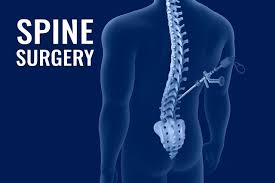
Understanding Spine Disorders and When Surgery Is Needed
Spine problems may develop gradually due to aging, wear and tear, or accelerated loss of disc height and ligament elasticity. Over time, these degenerative changes can lead to nerve compression, spinal canal narrowing, or structural imbalance. Because the spine supports not only posture but also protects the spinal cord and nerve roots, any disruption in its alignment or function can result in pain, numbness, weakness, or functional loss. Consequently, accurate identification of spinal pathology becomes critical before deciding on a treatment pathway that may include surgery.
Initially, conservative measures such as medication optimization, targeted physiotherapy, posture correction, and activity modification form the first line of management for many spine conditions. Nevertheless, when symptoms persist or neurological deficits develop — such as progressive numbness, motor weakness, loss of balance, or bowel/bladder dysfunction — surgical evaluation becomes necessary. Therefore, a structured spine surgery hospital in Nagpur provides comprehensive assessment to determine whether surgery represents the most appropriate and effective option.
Spine Surgery Hospital – Integrated Evaluation and Diagnosis
A structured evaluation begins with detailed history taking, which captures symptom onset, severity, aggravating factors, and any previous treatment attempts. Thereafter, a thorough physical and neurological examination assesses posture, reflexes, muscle strength, balance, sensory responses, gait patterns, and functional limitations. Because spine complaints often overlap with neurological symptoms, this integrated clinical assessment helps distinguish between simple musculoskeletal pain and neurological involvement requiring surgical intervention.
Following clinical examination, advanced imaging confirms structural findings and guides surgical planning. Magnetic Resonance Imaging (MRI) provides high-resolution visualization of discs, vertebrae, nerve roots, ligaments, and spinal canal dimensions. Computed Tomography (CT) supports rapid assessment of bone integrity and fracture patterns, particularly after trauma. X-rays help evaluate alignment, curvature, and segmental stability, while specialized tests such as nerve conduction studies identify peripheral nerve involvement. Importantly, imaging is recommended only when clinically justified, avoiding unnecessary testing while ensuring diagnostic precision.
Conditions Requiring Spine Surgery
Spine surgery hospitals in Nagpur manage a broad range of conditions. Disc herniation represents one of the most common indications for surgical evaluation when nerve root compression causes radiculopathy (pain radiating into limbs), numbness, or weakness that does not resolve with conservative care. Additionally, degenerative spine disease, which often involves multiple levels of disc degeneration and ligament hypertrophy, may compress the spinal canal and require decompression surgery.
Spondylolisthesis, a condition where one vertebral segment slips over another, demands surgical stabilization when pain and functional loss persist. Similarly, spinal stenosis — the narrowing of the spinal canal — often requires decompression to relieve pressure on the spinal cord or nerve roots. Trauma-related fractures, tumor involvement, infection-related instability, and deformities such as scoliosis or kyphosis also fall within the surgical scope of a dedicated spine hospital. Because each condition impacts the spine differently, tailored surgical strategies remain essential rather than one-size-fits-all approaches.
Surgical Techniques and Treatment Options
Because spine surgery techniques continue to evolve, modern hospitals emphasize both precision and minimally invasive strategies whenever appropriate. For example, microdiscectomy allows targeted removal of herniated disc material that compresses a nerve root, often resulting in rapid relief of radicular pain. Endoscopic decompression represents another minimally invasive approach that preserves soft tissue, reduces post-operative pain, and accelerates recovery. In selected cases, percutaneous stabilization techniques support structural integrity with minimal disruption of surrounding tissues.
Conversely, more extensive procedures such as spinal fusion become necessary when multilevel degeneration, instability, or deformity demands long-term structural support. During fusion, surgeons prepare the vertebral segments and use bone grafts, instrumentation, and stabilizing devices to promote arthrodesis (bone fusion) between targeted segments. Although fusion procedures involve longer recovery, they provide lasting stabilization for conditions that cannot be managed conservatively or with minimally invasive methods.
Benefits of Choosing a Specialized Spine Surgery Hospital
Choosing a dedicated spine surgery hospital in Nagpur offers several advantages. Firstly, integrated evaluation from both orthopedic and neurological perspectives ensures that underlying conditions are not overlooked. Because back pain may originate from muscular, skeletal, or nerve root involvement, a comprehensive assessment prevents misdiagnosis.
Secondly, advanced imaging combined with clinical expertise provides precise surgical planning. For example, neuronavigation, intraoperative imaging, and structured preoperative templating enhance surgical accuracy and reduce complication rates. In addition, multidisciplinary collaboration among surgeons, anesthesiologists, physiotherapists, and neurologists ensures that both operative and rehabilitative needs are addressed systematically.
Moreover, post-surgical monitoring and rehabilitation guidance support long-term recovery. Structured rehabilitation programs help patients regain strength, improve flexibility, and reduce the risk of recurrence. Patient education on posture, activity modification, and ergonomic practices further reinforces outcomes, ensuring that recovery extends beyond the operating room rather than ending with the surgery itself.
Patient Pathway from Evaluation to Recovery
Minimally Invasive vs. Open Spine Surgery
Because patient outcomes improve when soft tissue disruption is minimized, many spine surgery hospitals in Nagpur emphasize minimally invasive techniques whenever clinically feasible. These approaches use smaller incisions, specialized endoscopes, and tubular retractors to access spinal pathology with reduced muscle trauma. As a result, patients often experience less post-operative pain, shorter hospital stays, and quicker return to daily activities compared to traditional open procedures.
Nonetheless, open spine surgery remains necessary for complex cases involving multilevel degeneration, severe deformities, trauma with instability, or extensive structural involvement. In such scenarios, the surgeon prioritizes comprehensive exposure to correct alignment, decompress neural elements, and restore stability. Each case receives individualized assessment to determine whether minimally invasive or open surgery represents the most appropriate option based on anatomical findings and patient needs.
Rehabilitation and Long-Term Support
Recovery continues long after the surgical wound heals. Therefore, structured rehabilitation forms a core component of spine surgery care. Physical therapy aims to restore flexibility, strengthen supportive musculature, improve posture, and teach safe body mechanics. In addition, occupational therapy supports patients in adapting daily activities to reduce strain on the spine.
Lifestyle counseling on ergonomic practices, weight management, smoking cessation, and appropriate exercise enhances overall outcomes. Because lifestyle factors significantly influence spinal health, preventive strategies reduce recurrence risk and improve long-term functional stability. Regular follow-up allows clinicians to monitor progress, adjust therapy, and detect early signs of complications if they arise.
Pediatric and Geriatric Spine Surgery Considerations
Spinal conditions affect individuals across the age spectrum, though the approach to care differs based on physiological needs. In pediatric patients, developmental spine disorders or trauma-related injuries require gentle evaluation and age-appropriate surgical consideration. Growth considerations and long-term functional implications influence surgical planning and rehabilitation strategies.
In contrast, elderly patients often present with multilevel degeneration, reduced bone density, and systemic conditions such as diabetes or hypertension. Therefore, pre-operative optimization focuses on medical stability while surgical planning accounts for anatomical fragility and recovery support. Rehabilitation in older patients emphasizes fall prevention, balance training, and functional independence.
When to Seek Evaluation at a Spine Surgery Hospital
Back pain, neck pain, or limb symptoms often start as mild discomfort but progress over time. Persistent pain that interferes with daily activities, radiating limb symptoms, numbness or weakness, loss of balance, or bladder and bowel dysfunction must not be ignored. Rather, early consultation at a dedicated spine surgery hospital prevents chronic progression and improves the likelihood of successful intervention.
Warning signs such as sudden neurological deterioration, severe continuous pain resistant to conservative therapy, or traumatic injury require urgent evaluation. Under such circumstances, immediate assessment helps prevent permanent nerve damage and supports safer surgical planning.
Preparing for Your Spine Surgery Consultation
Why Choose Dr. Nikhil Kakani in Nagpur?
In a city where access to advanced neurosurgical care was limited just a few years ago, Dr. Kakani’s clinic offers a reliable solution. What sets this practice apart includes:
1. Clinical Expertise
His specialized training in neurosurgery and spine care equips him to handle complex cases with precision.
2. Evidence‑Based Practice
Diagnosis and treatment decisions are supported by scientific evidence and structured clinical reasoning.
3. Patient Education Focus
Before any intervention, patients understand their condition, options, and expected progress.
4. Minimally Invasive Prioritization
Where possible and safe, minimally invasive techniques are recommended to enhance recovery.
5. Integrated Care Model
Neurology, physiotherapy, rehabilitation, and follow‑up are coordinated to support long‑term health.
As a result, patients benefit from both surgical skill and structured care planning. In conjunction with advanced diagnostics, this collaborative framework elevates overall treatment quality.
How to Book a Consultation
Call for Appointment: +91‑72761‑35101
Visit Clinic: Ramdaspeth, Nagpur, Maharashtra, India
During the first visit, patients are advised to bring relevant medical records, imaging studies, and a list of symptoms. This preparation helps the neurosurgical team evaluate conditions efficiently and plan next steps without delay.
Conclusion
Choosing a dedicated Spine Surgery Hospital in Nagpur directly influences both recovery potential and long-term quality of life. Because spinal disorders involve intricate neuro-musculoskeletal interactions, structured evaluation, advanced imaging, personalized surgical planning, and integrated rehabilitation ensure that care remains both accurate and patient-centered. At Dr. Kakani’s Brain Spine & Dental Super Speciality Clinic, patients benefit from multidisciplinary collaboration, evidence-based protocols, advanced surgical techniques, and comprehensive follow-up support. Therefore, early consultation, disciplined care pathways, and long-term monitoring together promote not only structural restoration but also sustainable functional improvement.
FAQs
1. When should I consider spine surgery?
If pain persists despite conservative care or if neurological deficits develop, specialist evaluation is advised.
2. Are all spine surgeries invasive?
Not always; minimally invasive options are often possible if clinically appropriate.
3. How long is recovery after spine surgery?
Recovery varies by procedure, but rehabilitation support significantly improves outcomes.
4. Is surgery safe for elderly patients?
Yes; with proper medical optimization and tailored planning, elderly patients can benefit from surgery.
5. Do I need prior imaging reports for consultation?
Yes; existing MRI, CT, or X-ray reports help clinicians make more accurate decisions.