Spine Surgeon in Yavatmal – Advanced Spine Surgery at Dr. Kakani’s Brain Spine & Dental Super Speciality Clinic
If you are searching for a trusted Spine Surgeon in Yavatmal, choosing the right specialist can make a significant difference in your recovery and long-term mobility. Spine disorders often cause severe back pain, nerve compression, and restricted movement. Therefore, early diagnosis and expert surgical evaluation become essential. At Dr. Kakani’s Brain Spine & Dental Super Speciality Clinic, patients receive comprehensive spine care supported by modern technology and patient-focused treatment planning.
Spinal conditions may develop gradually; however, ignoring persistent pain can lead to serious complications. Because the spine protects the spinal cord and supports body structure, structural abnormalities require precise assessment. Consulting a qualified spine surgeon ensures accurate diagnosis and safe surgical management when necessary.
Detailed Spine Evaluation and Diagnosis
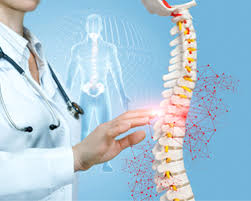
Effective spine treatment begins with an accurate and comprehensive diagnosis. Therefore, every patient undergoes a structured clinical evaluation that includes a detailed medical history review and physical examination. The spine surgeon carefully assesses posture, range of motion, muscle strength, reflexes, and nerve function. This step helps identify whether pain originates from muscular strain, disc degeneration, nerve compression, or structural deformity.
Advanced imaging techniques such as MRI, CT scans, and digital X-rays provide clear visualization of spinal alignment and disc health. Because imaging reveals the exact location of nerve pressure or structural damage, treatment planning becomes precise and targeted. In addition, neurological testing ensures that sensory and motor functions are properly evaluated.
At Dr. Kakani’s Brain Spine & Dental Super Speciality Clinic, diagnostic accuracy remains the foundation of care. Rather than recommending immediate surgery, the spine surgeon first determines whether non-surgical management can provide relief. As a result, patients receive appropriate treatment based on clinical evidence rather than assumptions.
Early and accurate diagnosis significantly reduces the risk of long-term complications. Therefore, individuals experiencing persistent spine pain benefit greatly from timely consultation and professional evaluation.
Non-Surgical Spine Management Before Surgery
Not every spine condition requires surgical intervention. In fact, many patients respond well to conservative treatment methods. Therefore, non-surgical management remains the first line of therapy whenever medically appropriate.
Medication helps control inflammation and reduce pain intensity. At the same time, structured physiotherapy strengthens core muscles that support spinal alignment. Because strong muscles reduce pressure on discs and joints, patients experience improved stability and flexibility. Additionally, guided exercises improve posture and prevent recurrence.
Lifestyle modifications also play a vital role in recovery. Patients receive advice on ergonomic workstation setup, safe lifting techniques, and weight management. Furthermore, activity modification reduces repetitive strain that often contributes to chronic pain.
At Dr. Kakani’s Brain Spine & Dental Super Speciality Clinic, conservative therapy is monitored closely. If symptoms improve, surgery may not be necessary. However, if nerve compression persists or mobility declines, surgical evaluation becomes the next step.
This balanced approach ensures that surgery is recommended only when truly required, thereby protecting patient safety and promoting optimal recovery outcomes.
Advanced Minimally Invasive Spine Surgery
When conservative treatment fails to relieve symptoms, surgical intervention may become necessary. Modern spine surgery, however, has evolved significantly. Therefore, minimally invasive techniques are preferred whenever possible.
Minimally invasive spine surgery involves smaller incisions and specialized instruments. Because muscle disruption remains limited, patients typically experience less pain and faster healing. Reduced blood loss and shorter hospital stays further enhance recovery. In many cases, patients resume light daily activities within weeks.
Common procedures include microdiscectomy for herniated discs, decompression surgery for spinal stenosis, and spinal stabilization for instability or fractures. Before surgery, detailed planning ensures precise correction of the affected area. In addition, pre-operative counseling helps patients understand the procedure, expected benefits, and recovery timeline.
At Dr. Kakani’s Brain Spine & Dental Super Speciality Clinic, strict safety protocols guide every surgical procedure. Advanced technology supports accuracy and reduces complication risks. As a result, patients experience improved mobility and significant pain reduction after surgery.
Treatment of Complex and Degenerative Spine Disorders
Certain spinal conditions require specialized surgical expertise due to their complexity. Degenerative disc disease, severe spinal stenosis, vertebral fractures, and deformities such as scoliosis demand careful evaluation and structured intervention.
Degenerative spine disorders often develop gradually with age. However, progressive nerve compression may cause numbness, weakness, or balance issues. Therefore, early identification prevents long-term neurological damage. Surgical decompression may relieve pressure on spinal nerves and restore mobility.
Spinal trauma caused by accidents requires immediate stabilization to protect the spinal cord. In such cases, timely surgical correction reduces the risk of permanent disability. Furthermore, advanced stabilization techniques help maintain proper spinal alignment.
At Dr. Kakani’s Brain Spine & Dental Super Speciality Clinic, comprehensive management ensures that even complex conditions receive expert attention. Multidisciplinary coordination supports accurate decision-making and effective outcomes.
Post-Surgical Rehabilitation and Long-Term Recovery
Successful spine surgery does not end in the operating room. Therefore, structured rehabilitation remains essential for complete recovery. After surgery, patients receive personalized guidance on gradual movement, posture correction, and muscle strengthening exercises.
Physiotherapy sessions focus on rebuilding flexibility and endurance. Because proper rehabilitation prevents stiffness and muscle weakness, patients regain confidence in movement. In addition, follow-up visits allow the spine surgeon to monitor healing progress and detect any early concerns.
Lifestyle guidance also supports long-term stability. Patients learn safe lifting techniques and ergonomic habits that protect the spine from future strain. Furthermore, regular monitoring ensures sustained improvement.
At Dr. Kakani’s Brain Spine & Dental Super Speciality Clinic, recovery plans are customized for each patient. This personalized approach enhances outcomes and reduces recurrence risk.
Patient-Centered Care and Modern Infrastructure
Patient comfort and safety remain central to successful spine treatment. Therefore, the clinic maintains hygienic infrastructure, organized appointment systems, and transparent communication processes. Clear explanations regarding diagnosis, surgical options, and cost estimates help patients make informed decisions.
Compassionate support reduces anxiety and builds trust throughout the treatment journey. Family members are encouraged to participate in discussions, which strengthens recovery support.
Modern medical equipment enhances diagnostic precision and surgical safety. Because advanced technology improves treatment accuracy, patients benefit from reliable and efficient care.
At Dr. Kakani’s Brain Spine & Dental Super Speciality Clinic, clinical excellence combines with empathy. This integrated approach ensures safe, structured, and patient-focused spine care in Yavatmal.
Advanced Spine Care for Working Professionals
Modern lifestyles often place excessive strain on the spine, especially among working professionals. Long hours at desks, improper posture, and limited physical activity frequently lead to chronic back and neck pain. Therefore, early evaluation by a qualified spine surgeon becomes essential to prevent long-term complications.
Prolonged sitting increases pressure on lumbar discs, while continuous screen exposure strains the cervical spine. As a result, many professionals experience stiffness, headaches, and radiating arm pain. Structured assessment helps determine whether symptoms arise from muscle fatigue, disc bulge, or nerve compression.
At Dr. Kakani’s Brain Spine & Dental Super Speciality Clinic, spine care plans include ergonomic counseling and preventive strategies. Patients receive guidance on workstation adjustments, posture correction, and stretching exercises. In addition, strengthening programs improve core stability and reduce recurring discomfort.
Spine Trauma and Emergency Surgical Care
Spinal trauma requires immediate medical attention. Accidents, falls, or sports injuries may cause fractures, dislocations, or spinal cord compression. Therefore, rapid diagnosis and stabilization become critical in preventing permanent neurological damage.
Symptoms such as severe pain, limb weakness, numbness, or loss of movement demand urgent evaluation. Advanced imaging techniques help identify structural instability and nerve involvement. Based on findings, the spine surgeon determines whether surgical fixation or decompression is necessary.
At Dr. Kakani’s Brain Spine & Dental Super Speciality Clinic, emergency spine care follows strict safety protocols. Early surgical intervention restores alignment and protects the spinal cord. In addition, post-surgical rehabilitation supports functional recovery.
Because time plays a crucial role in trauma management, prompt consultation significantly improves outcomes. Comprehensive emergency care ensures that patients receive safe and effective treatment during critical situations.
Preventive Spine Health and Long-Term Monitoring
Preventive care remains essential for maintaining spinal strength and flexibility. Although surgery addresses structural issues, long-term health depends on consistent monitoring and healthy lifestyle habits. Therefore, preventive spine programs focus on education and proactive care.
Regular exercise strengthens supporting muscles and improves posture. Balanced nutrition enhances bone density, while hydration maintains disc flexibility. Furthermore, weight management reduces excess pressure on spinal joints.
At Dr. Kakani’s Brain Spine & Dental Super Speciality Clinic, follow-up appointments ensure continuous progress tracking. Early detection of recurring symptoms allows timely intervention and prevents complications.
How to Book a Consultation
Call for Appointment: +91‑72761‑35101
During the first visit, patients are advised to bring relevant medical records, imaging studies, and a list of symptoms. This preparation helps the neurosurgical team evaluate conditions efficiently and plan next steps without delay.
Conclusion
Spinal disorders can significantly impact daily life; however, early consultation and expert surgical care provide lasting relief. Consulting a qualified Spine Surgeon in Yavatmal ensures accurate diagnosis, modern treatment options, and comprehensive rehabilitation support.
At Dr. Kakani’s Brain Spine & Dental Super Speciality Clinic, patients receive advanced spine surgery combined with compassionate care and long-term wellness guidance. Schedule your consultation today and take the first step toward restored mobility and improved quality of life.
Frequently Asked Questions (FAQs)
1. When should I consult a spine surgeon instead of a general doctor?
You should consult a spine surgeon when back or neck pain persists for several weeks, radiates to the arms or legs, or causes numbness and weakness. If conservative treatment does not provide relief, a surgical evaluation becomes necessary.
2. What are the common symptoms of nerve compression in the spine?
Common symptoms include sharp radiating pain, tingling sensations, muscle weakness, and difficulty walking. Early diagnosis helps prevent permanent nerve damage.
3. Is spine surgery always required for a slipped disc?
No, many slipped disc cases improve with medication and physiotherapy. However, surgery may be recommended if severe nerve compression or persistent pain continues despite conservative care.
4. How safe is minimally invasive spine surgery?
Minimally invasive spine surgery is generally safe when performed by an experienced specialist. Because it involves smaller incisions, patients usually experience faster recovery and reduced post-operative discomfort.
5. How long does recovery take after spine surgery?
Recovery time depends on the type of surgery and overall health condition. Many patients resume light activities within a few weeks, while complete recovery may take a few months.
6. Can spinal problems return after surgery?
Although surgery corrects structural issues, poor posture and unhealthy lifestyle habits may lead to recurrence. Therefore, rehabilitation and preventive care remain essential.