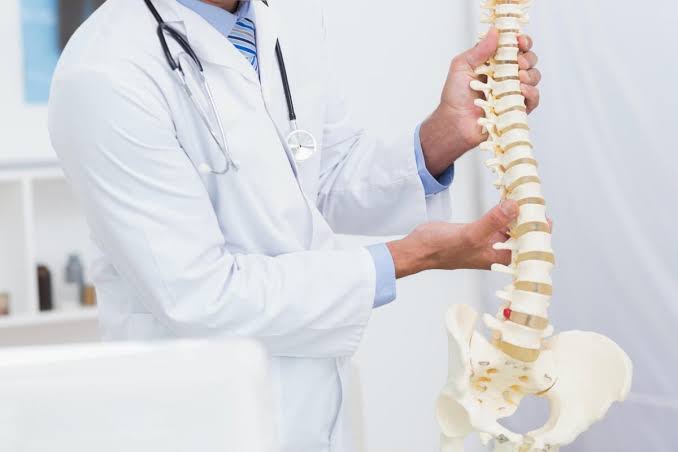
Spine Surgeon In Seoni
Persistent back pain, neck discomfort, leg pain, numbness, or difficulty moving can affect your work and everyday routine. Therefore, finding the right Spine Surgeon In Seoni can help you understand the cause of your symptoms and explore suitable treatment options.
Spine conditions can affect people differently. For example, one person may develop pain because of a slipped disc, while another may experience symptoms because of spinal stenosis, nerve compression, or an injury. As a result, a proper evaluation remains important before choosing any treatment.
A qualified spine surgeon can review your symptoms, medical history, physical examination, and diagnostic reports. In addition, the surgeon can explain both non-surgical and surgical options according to your individual condition.
Spine Surgeon In Seoni
What Does A Spine Surgeon Do?
A spine surgeon specializes in conditions involving the spine, spinal discs, spinal cord, and related nerves. However, surgery does not always represent the first treatment choice.
During your consultation, the surgeon can assess your pain, movement, strength, sensation, reflexes, and other symptoms. Furthermore, the doctor may review MRI, CT, X-ray, or other diagnostic reports.
If conservative treatment can manage your condition effectively, your surgeon may recommend that approach first. On the other hand, certain conditions may require a surgical solution when symptoms remain severe or neurological problems develop.
Why Consult A Spine Surgeon In Seoni?
Back and neck problems can gradually interfere with sleeping, walking, working, exercising, and performing household activities. For this reason, persistent symptoms deserve professional evaluation.
A Spine Surgeon In Seoni can assess whether your symptoms originate from a disc, nerve, spinal joint, spinal canal, or another structure. In addition, the surgeon can explain your diagnosis in simple language and discuss realistic treatment options.
As a result, you can make healthcare decisions with a better understanding of your condition instead of relying on guesswork or prolonged self-treatment.
Spine Conditions A Surgeon Can Evaluate
Spinal problems can range from mild muscular discomfort to complex conditions involving nerves or the spinal cord. Depending on your symptoms, a spine surgeon may evaluate:
- Slipped or herniated discs
- Sciatica
- Spinal stenosis
- Nerve compression
- Cervical disc problems
- Lumbar disc problems
- Spondylosis
- Degenerative disc conditions
- Spinal injuries
- Vertebral fractures
- Spinal deformities
- Spinal cord compression
- Certain spinal tumors
- Persistent neck pain
- Chronic lower back pain
similar symptoms can occur with different conditions. Therefore, a proper clinical assessment should guide the treatment plan.
Lower Back Pain
Lower back pain can develop after lifting, physical strain, poor posture, repetitive activity, an injury, or changes within the spinal discs and joints. Sometimes, the pain remains around the lower back. In other cases, it can travel toward the buttocks or legs.
If the pain continues or repeatedly returns, a spine surgeon can assess the possible source. Moreover, the surgeon can look for signs that suggest nerve irritation or another spinal condition.
Depending on the findings, your treatment may include medication, physiotherapy, exercise, lifestyle changes, or further intervention.
Spine Surgeon In Seoni
Neck Pain And Cervical Spine Problems
Neck pain can affect your ability to turn your head, work comfortably, sleep, or perform routine activities. However, persistent neck pain may sometimes relate to a cervical disc problem or nerve compression.
A spine surgeon can examine your neck movement and check for symptoms such as arm pain, tingling, numbness, or weakness. In addition, imaging may help the doctor understand structural changes when necessary.
Sciatica And Radiating Leg Pain
Sciatica often causes pain that travels from the lower back into the buttock and leg. In many cases, irritation or compression of the sciatic nerve contributes to the symptoms.
Along with pain, you may experience tingling, numbness, or weakness in the affected leg. Therefore, persistent symptoms require careful evaluation.
A spine surgeon can determine whether a slipped disc, spinal narrowing, or another condition contributes to the nerve irritation. Based on the findings, the doctor can recommend an appropriate treatment strategy.
Spinal Stenosis
Spinal stenosis develops when the space around the spinal nerves or spinal cord becomes narrower. Consequently, the narrowed space can place pressure on neurological structures.
Some patients experience back pain, leg discomfort, numbness, weakness, or difficulty walking. However, the symptoms can vary according to the affected part of the spine.
A spine surgeon can review your symptoms and imaging to assess the severity of the condition. If conservative care does not provide enough relief, the surgeon may discuss other treatment options.
Spine Surgeon In Seoni
Nerve Compression
Nerve compression can occur when a disc, bone growth, narrowed spinal canal, or another spinal structure presses against a nerve. As a result, you may develop pain, tingling, numbness, or weakness.
For instance, compression in the lower spine can produce symptoms in the leg, while compression in the neck can affect the shoulder, arm, or hand.
identifying the exact source of nerve compression can help the surgeon select an appropriate treatment approach.
Spine Surgeon In Seoni
Spondylosis And Degenerative Spine Problems
Spondylosis refers to age-related changes that can affect spinal discs, joints, and surrounding structures. These changes can sometimes contribute to stiffness, pain, or nerve-related symptoms.
not everyone with degenerative changes on an imaging scan experiences significant symptoms. Therefore, the surgeon should consider your clinical condition along with your reports.
Depending on the severity, treatment may include exercise, physiotherapy, medicines, activity modification, or other interventions.
Spine Surgeon In Seoni
How Does A Spine Surgeon Diagnose The Problem?
Your diagnosis usually begins with a detailed discussion about your symptoms. First, the surgeon may ask when your pain started, where you feel it, and whether specific activities increase or reduce it.
Next, the doctor may examine your spinal movement, muscle strength, sensation, reflexes, coordination, and walking pattern.
Depending on the findings, the surgeon may recommend imaging or other investigations. Therefore, combining your symptoms, examination, and test results can provide a clearer understanding of the underlying problem.
Spine Surgeon In Seoni
Book An Appointment With A Spine Surgeon In Seoni
If persistent back or neck problems continue to affect your routine, consider seeking professional evaluation. A Spine Surgeon In Seoni can assess your symptoms, review your reports, and explain appropriate treatment options.
Furthermore, an early consultation can help you understand whether your condition requires conservative management, rehabilitation, further testing, or surgical consideration.
Book An Appointment
Frequently Asked Questions
Connect with Dr. Nikhil Kakani Online – Stay Informed About Brain & Spine Health