Spine Specialist in Yavatmal– Advanced Spine Care at Dr. Kakani’s Brain Spine & Dental Super Speciality Clinic
If you are searching for a trusted Spine Specialist in Yavatmal, choosing the right medical center plays a crucial role in your recovery journey. Back pain, neck stiffness, and nerve-related discomfort can interfere with daily life. Therefore, early diagnosis and expert treatment become essential. At Dr. Kakani’s Brain Spine & Dental Super Speciality Clinic, patients receive comprehensive spine care supported by modern diagnostic facilities and structured treatment planning.
Spinal disorders often begin with mild discomfort; however, they may gradually progress into chronic pain or neurological complications. Because the spine protects the spinal cord and supports body movement, even small structural problems can create significant symptoms. Consulting a qualified spine specialist ensures accurate diagnosis and long-term relief rather than temporary symptom management.
Below is a detailed overview of spine care services, treatment approaches, and patient-focused solutions available in Yavatmal.
1. Comprehensive Evaluation and Accurate Diagnosis
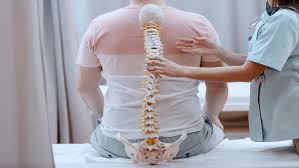
Accurate diagnosis forms the foundation of successful spine treatment. Therefore, every patient undergoes a thorough clinical evaluation before therapy begins. The spine specialist carefully reviews medical history, lifestyle patterns, posture habits, and symptom duration. This structured assessment helps identify whether the issue arises from muscle strain, disc problems, nerve compression, or degenerative conditions.
Advanced imaging techniques such as MRI scans, X-rays, and CT scans support precise identification of structural abnormalities. Because imaging reveals nerve involvement and disc alignment, treatment decisions remain evidence-based. In addition, neurological examinations help assess reflexes, muscle strength, and sensory function.
At Dr. Kakani’s Brain Spine & Dental Super Speciality Clinic, diagnosis focuses not only on identifying the condition but also on understanding its root cause. As a result, patients receive targeted therapy designed to correct the underlying issue rather than masking symptoms.
Furthermore, early detection prevents complications such as chronic nerve damage or mobility loss. Therefore, timely consultation significantly improves long-term outcomes and reduces the need for complex surgical procedures.
2. Non-Surgical Spine Treatment and Rehabilitation
Not all spinal conditions require surgery. In fact, many patients achieve significant improvement through conservative management. Therefore, non-surgical spine treatment forms the first line of therapy whenever appropriate.
Medication management helps reduce inflammation and relieve pain. Alongside medication, physiotherapy strengthens core and back muscles that support spinal stability. Because strong muscles reduce strain on discs and joints, patients experience improved posture and mobility.
Lifestyle modification also plays a vital role in recovery. Patients receive guidance on ergonomic sitting positions, proper lifting techniques, and weight management strategies. Additionally, structured exercise routines improve flexibility and prevent recurrence.
Rehabilitation programs are customized according to individual needs. For example, patients with cervical spine problems receive neck-strengthening exercises, while those with lumbar issues focus on lower back stabilization. Regular follow-ups ensure progress monitoring and timely adjustments to therapy.
At Dr. Kakani’s Brain Spine & Dental Super Speciality Clinic, conservative treatment aims to restore function naturally whenever possible. Because early non-surgical care reduces the need for invasive procedures, patients benefit from safer and cost-effective solutions.
3. Advanced Minimally Invasive Spine Surgery
When conservative treatment fails to provide relief, surgical intervention may become necessary. However, modern spine surgery focuses on minimally invasive techniques that reduce recovery time and discomfort.
Minimally invasive spine surgery involves smaller incisions and specialized instruments. As a result, muscle damage remains limited, blood loss decreases, and hospital stays become shorter. Patients often return to daily activities faster compared to traditional surgery.
Common procedures include discectomy for herniated discs, decompression for spinal stenosis, and stabilization for spinal instability. Before recommending surgery, the spine specialist conducts detailed pre-operative planning to ensure safety and precision.
Patient counseling remains an essential part of surgical preparation. Therefore, individuals receive clear explanations regarding procedure steps, benefits, risks, and recovery timelines. Transparent communication builds confidence and reduces anxiety.
4. Treatment for Complex Spine Conditions
Certain spinal disorders require specialized attention due to their severity or complexity. These conditions include spinal deformities, fractures, severe disc degeneration, and nerve compression syndromes.
Spinal stenosis, for instance, involves narrowing of the spinal canal. This condition may cause leg pain, weakness, and balance issues. Early intervention prevents progressive nerve damage. Similarly, slip disc conditions may produce radiating pain known as sciatica. Accurate assessment determines whether conservative therapy or surgical correction is appropriate.
Spinal injuries caused by accidents demand immediate evaluation. Therefore, prompt diagnosis protects the spinal cord and prevents permanent disability. In addition, age-related degenerative disorders require long-term monitoring and structured therapy.
At Dr. Kakani’s Brain Spine & Dental Super Speciality Clinic, comprehensive care ensures that even complex spine conditions receive expert management. Because multidisciplinary coordination enhances decision-making, patients benefit from accurate and timely treatment solutions.
5. Patient-Focused Care and Modern Infrastructure
A supportive healthcare environment significantly improves recovery. Therefore, patient comfort and safety remain top priorities. The clinic maintains hygienic facilities, organized consultation systems, and structured follow-up protocols.
Compassionate communication forms a central part of care. Patients receive detailed explanations about their diagnosis, treatment options, and recovery expectations. In addition, family members are encouraged to participate in discussions to strengthen support systems.
Modern infrastructure supports diagnostic precision and surgical safety. Advanced imaging facilities and updated medical equipment ensure accurate evaluation and effective treatment delivery.
At Dr. Kakani’s Brain Spine & Dental Super Speciality Clinic, patient-centered care combines technology with empathy. Because emotional reassurance enhances healing, the clinic fosters a positive and transparent healthcare experience.
6. Long-Term Spine Health and Preventive Care
Preventive strategies play a crucial role in maintaining spinal strength. Therefore, patients receive guidance on posture correction, ergonomic work habits, and regular physical activity. Prevention reduces recurrence and promotes long-term stability.
Regular follow-up visits help monitor progress and identify early warning signs. Lifestyle habits such as balanced nutrition, adequate hydration, and stress management contribute to spinal resilience.
Because spinal disorders often develop gradually, proactive care prevents complications. Education empowers patients to recognize symptoms early and seek timely medical attention.
At Dr. Kakani’s Brain Spine & Dental Super Speciality Clinic, preventive spine care complements treatment services. As a result, patients achieve sustainable recovery and improved quality of life.
Advanced Pain Management for Chronic Spine Conditions
Chronic spine pain can significantly reduce quality of life; however, structured pain management strategies offer long-term relief. Therefore, identifying the exact source of pain remains essential before starting treatment. Some patients experience muscular pain, while others suffer from nerve compression or joint inflammation. Accurate diagnosis ensures that therapy targets the root cause rather than masking symptoms.
Pain management plans may include medication, guided physiotherapy, nerve modulation techniques, and supportive therapies. Because inflammation often contributes to persistent discomfort, anti-inflammatory treatment combined with strengthening exercises produces better outcomes. In addition, posture correction and ergonomic adjustments reduce repetitive strain on the spine.
At Dr. Kakani’s Brain Spine & Dental Super Speciality Clinic, chronic pain management focuses on restoring mobility and improving daily function. Regular monitoring allows the spine specialist to modify therapy based on patient response. As a result, individuals experience gradual improvement in strength, flexibility, and overall comfort.
Spine Care for All Age Groups
Spinal disorders can affect individuals of all ages. Although older adults frequently experience degenerative conditions, young professionals and even adolescents may develop posture-related problems. Therefore, age-specific spine care becomes essential for effective management.
Children and teenagers often experience posture imbalance due to prolonged screen time or heavy school bags. Early correction prevents structural deformities in adulthood. Meanwhile, working professionals may suffer from neck pain and lower back strain caused by sedentary lifestyles. Ergonomic guidance and strengthening exercises provide significant relief.
Elderly patients commonly develop conditions such as spinal stenosis or disc degeneration. Because aging weakens spinal structures, early diagnosis ensures timely therapy and reduces complications. In addition, fall prevention strategies protect spinal health in senior individuals.
Holistic Approach to Spine Wellness
Spine treatment extends beyond medical procedures. Therefore, a holistic approach strengthens recovery and prevents recurrence. Balanced nutrition supports bone strength, while regular exercise maintains muscle stability. In addition, stress management techniques reduce muscle tension that contributes to back pain.
Hydration plays a crucial role in maintaining disc health. Because spinal discs rely on fluid balance, adequate water intake improves flexibility and resilience. Furthermore, sleep posture significantly influences spinal alignment. Proper mattress selection and pillow support help maintain natural curvature.
At Dr. Kakani’s Brain Spine & Dental Super Speciality Clinic, patient education empowers individuals to take an active role in their recovery journey. Lifestyle counseling complements medical therapy, ensuring comprehensive spine care.
Because prevention and awareness reduce long-term risk, holistic strategies form an essential component of spine health management in Yavatmal.
How to Book a Consultation
Call for Appointment: +91‑72761‑35101
During the first visit, patients are advised to bring relevant medical records, imaging studies, and a list of symptoms. This preparation helps the neurosurgical team evaluate conditions efficiently and plan next steps without delay.
Conclusion
Spinal health directly impacts mobility, productivity, and overall well-being. Therefore, ignoring persistent back or neck pain may lead to serious complications. Consulting a qualified Spine Specialist in Yavatmal ensures accurate diagnosis and structured treatment planning.
At Dr. Kakani’s Brain Spine & Dental Super Speciality Clinic, patients receive comprehensive spine care, advanced surgical options, and personalized rehabilitation support. Schedule your consultation today and take the first step toward a pain-free and active life.
Frequently Asked Questions (FAQs)
1. What are the early signs of a spine problem?
Early signs include persistent back or neck pain, stiffness, tingling in limbs, and reduced flexibility. Timely evaluation prevents worsening symptoms.
2. Can sitting for long hours cause spine issues?
Yes, prolonged sitting with poor posture increases strain on the lower back and neck. Regular breaks and ergonomic adjustments help prevent complications.
3. How is a slipped disc diagnosed?
A slipped disc is diagnosed through clinical examination and imaging tests such as MRI scans, which reveal disc displacement and nerve involvement.
4. Is physiotherapy effective for chronic back pain?
Yes, physiotherapy strengthens supporting muscles, improves posture, and reduces pressure on spinal structures, leading to long-term pain relief.
5. When is spine surgery necessary?
Surgery becomes necessary when conservative treatment fails and symptoms such as severe nerve compression, weakness, or mobility loss persist.
6. How long does it take to recover from spine surgery?
Recovery time depends on the procedure and patient health. Minimally invasive techniques often allow faster healing and earlier return to normal activities.
7. How can I maintain spinal health long term?
Maintaining correct posture, exercising regularly, managing weight, and attending follow-up consultations at Dr. Kakani’s Brain Spine & Dental Super Speciality Clinic supports long-term spine wellness.