Spine Specialist in Bhandara – Personalized Spine Care at Dr. Kakani’s Brain Spine & Dental Super Speciality Clinic
Spinal problems can interfere with nearly every aspect of life, from routine household activities to professional responsibilities. Persistent back or neck pain, tingling in the limbs, or difficulty standing for long periods are not issues that should be ignored. If you are looking for a dependable Spine Specialist in Bhandara, advanced and patient-focused care is available at Dr. Kakani’s Brain Spine & Dental Super Speciality Clinic.
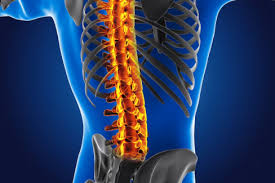
The spine is a complex structure made up of bones, discs, nerves, ligaments, and muscles. It provides structural support, protects the spinal cord, and enables flexible movement. When any component of this system is affected by injury, aging, poor posture, or medical conditions, it can lead to pain and restricted mobility. Consulting a spine specialist ensures that the root cause of the problem is identified and treated effectively.
At Dr. Kakani’s clinic, every patient receives a comprehensive assessment and a customized treatment plan. The approach combines modern diagnostics, conservative therapies, minimally invasive surgical solutions when required, and long-term rehabilitation strategies. The primary goal is not only to relieve pain but also to restore function and prevent recurrence.
Detailed Spine Assessment and Accurate Diagnosis
Effective spine care begins with a careful and structured evaluation. At Dr. Kakani’s Brain Spine & Dental Super Speciality Clinic, diagnosis is approached methodically to understand the full scope of the patient’s condition. The consultation starts with a thorough discussion of symptoms, including their onset, intensity, frequency, and impact on daily life. Occupational habits, lifestyle patterns, past injuries, and medical history are also reviewed. This helps in identifying potential contributing factors such as prolonged sitting, repetitive strain, or trauma.
A detailed physical examination follows. The spine specialist evaluates posture, spinal alignment, range of motion, and areas of tenderness. Neurological assessment is performed to check muscle strength, reflexes, balance, and sensation in the limbs. These tests help determine whether nerves are affected.
When required, imaging studies such as digital X-rays, MRI scans, or CT scans are advised. These tools provide a clear picture of disc health, bone alignment, nerve compression, or structural abnormalities.
The focus is on identifying the exact cause of discomfort rather than offering temporary relief. An accurate diagnosis allows for targeted treatment, reduces unnecessary interventions, and ensures better long-term results.
Conservative and Non-Surgical Treatment Approaches
Many spine conditions can be effectively managed without surgery. Non-surgical treatment is often the first and preferred approach, especially in early or moderate cases.
Medication may be prescribed to reduce inflammation, relieve muscle spasms, and manage nerve-related pain. These medications are carefully monitored to ensure safety and effectiveness.
Physiotherapy plays a crucial role in conservative spine care. Customized exercise programs are designed to strengthen core muscles, improve flexibility, and enhance spinal stability. Strengthening the supporting muscles reduces stress on spinal discs and joints, promoting natural healing.
Patients also receive guidance on posture correction and ergonomic adjustments. Advice regarding workstation setup, proper lifting techniques, and safe physical activity helps prevent worsening of symptoms. Weight management and regular low-impact exercises such as walking or swimming may be recommended to maintain spinal health.
Advanced Minimally Invasive Spine Surgery
When conservative measures do not provide sufficient relief or when symptoms progress, surgical treatment may be necessary. Modern spine surgery has advanced significantly, allowing many procedures to be performed using minimally invasive techniques. Minimally invasive surgery involves smaller incisions and specialized instruments to access the affected area with minimal disruption to surrounding tissues. Procedures such as removal of herniated disc fragments, decompression of narrowed spinal canals, or stabilization of unstable vertebrae can be performed with enhanced precision.
These techniques offer several advantages, including reduced blood loss, lower risk of infection, shorter hospital stays, and faster recovery periods. Patients often experience less post-operative discomfort compared to traditional open surgery.
Pre-operative counseling ensures that patients understand the procedure, expected outcomes, and recovery process. Post-operative monitoring and rehabilitation planning are integral parts of the treatment pathway.
Management of Common Spine Disorders
A spine specialist addresses a broad spectrum of conditions affecting different regions of the spine. One of the most common problems is disc herniation, where the inner portion of a spinal disc protrudes and presses on nearby nerves. This may cause radiating pain, numbness, or weakness in the arms or legs.
Spinal canal narrowing, known as stenosis, can lead to nerve compression and difficulty walking. Age-related disc degeneration often results in stiffness and chronic back discomfort. Curvature abnormalities such as scoliosis may require monitoring or corrective intervention depending on severity.
Traumatic injuries from accidents can cause fractures or dislocations that demand immediate medical attention. Prompt diagnosis and stabilization are critical to prevent long-term neurological complications. Each condition is evaluated individually to determine the most appropriate course of action. Some cases respond well to physiotherapy and lifestyle changes, while others may require surgical correction. At Dr. Kakani’s Brain Spine & Dental Super Speciality Clinic, treatment strategies are tailored to the patient’s age, activity level, medical condition, and recovery goals.
Spine Care for Elderly and High-Risk Individuals
As people age, natural wear and tear can weaken spinal structures. Disc dehydration, reduced bone density, and joint stiffness are common age-related changes. Elderly individuals may experience chronic pain, reduced flexibility, or osteoporotic fractures. Management in such cases requires a cautious and individualized approach. Non-surgical treatments are often prioritized, including gentle physiotherapy, pain control measures, and bone-strengthening therapies. Fall-prevention strategies and home safety guidance are also emphasized to reduce injury risk.
If surgical intervention becomes necessary, minimally invasive techniques are preferred to minimize physical stress and promote quicker recovery. Thorough pre-operative evaluation ensures that co-existing medical conditions such as diabetes or heart disease are properly managed.
Rehabilitation programs for elderly patients focus on gradual strength building, balance improvement, and safe mobility restoration.
Compassionate and attentive care is central to treatment, ensuring that older adults regain independence while maintaining comfort and safety.
Rehabilitation, Prevention, and Long-Term Spine Wellness
Successful spine treatment extends beyond symptom relief. Rehabilitation and preventive strategies are essential for sustained recovery and future protection.
Post-treatment physiotherapy helps rebuild strength, restore flexibility, and improve posture. Core stabilization exercises support spinal alignment and reduce the likelihood of recurring issues. Patients are educated on safe daily activities and body mechanics to protect the spine during routine tasks.
Regular follow-up consultations allow monitoring of healing progress and early identification of potential concerns. Lifestyle modifications such as maintaining a healthy body weight, engaging in regular physical activity, and avoiding prolonged sitting contribute significantly to long-term spine health.
Preventive care also involves recognizing early warning signs and seeking prompt medical advice before conditions worsen.
At Dr. Kakani’s Brain Spine & Dental Super Speciality Clinic, the focus is not only on treating existing problems but also on empowering patients to maintain lifelong spinal wellness through education and proactive care.
How to Book a Consultation
Call for Appointment: +91‑72761‑35101
During the first visit, patients are advised to bring relevant medical records, imaging studies, and a list of symptoms. This preparation helps the neurosurgical team evaluate conditions efficiently and plan next steps without delay.
Conclusion
Frequently Asked Questions (FAQs)
1. When should I consult a spine specialist?
You should consult a spine specialist if you experience persistent back or neck pain lasting more than two weeks, radiating pain into the arms or legs, numbness, tingling, muscle weakness, or difficulty walking. Early consultation helps prevent complications and ensures faster recovery.
2. Do all spine problems require surgery?
No. Most spine conditions can be treated with non-surgical methods such as medication, physiotherapy, posture correction, and lifestyle modifications. Surgery is recommended only when conservative treatment fails or when there is significant nerve compression or spinal instability.
3. What conditions does a spine specialist treat?
A spine specialist manages conditions such as slipped discs, sciatica, spinal stenosis, degenerative disc disease, scoliosis, spinal fractures, and trauma-related injuries. Treatment plans are customized based on severity and patient health.
4. How is a spine problem diagnosed?
Diagnosis involves a detailed clinical examination, neurological testing, and imaging studies like X-rays, MRI scans, or CT scans if necessary. These tests help identify disc issues, nerve compression, fractures, or alignment problems.
5. Is minimally invasive spine surgery safe?
Minimally invasive spine surgery is generally safe when performed by an experienced specialist. It involves smaller incisions, less tissue damage, reduced pain, and faster recovery compared to traditional open surgery.
6. How long does recovery take after spine surgery?
Recovery time depends on the type of procedure and individual health condition. Many patients resume light activities within a few weeks, while complete recovery may take a few months with proper rehabilitation.