Spine Doctor in Jabalpur – Comprehensive Spine Care at Dr. Kakani’s Brain Spine & Dental Super Speciality Clinic
Understanding Common Spine Problems
Spinal issues can affect anyone, regardless of age or lifestyle. Sedentary habits, improper posture, heavy lifting, sports injuries, or age-related degeneration often contribute to spine problems. Common conditions treated by a spine doctor include:
- Herniated or slipped discs
- Degenerative disc disease
- Spinal stenosis
- Scoliosis
- Cervical and lumbar spondylosis
- Sciatica and nerve compression
- Traumatic spinal injuries
These conditions may cause pain, numbness, tingling, weakness, or difficulty walking. Ignoring early symptoms can lead to worsening nerve damage, chronic pain, or mobility limitations. A spine doctor evaluates both structural and neurological aspects to develop targeted treatment strategies that address the underlying cause rather than just alleviating symptoms.
Comprehensive Diagnostic Evaluation
Accurate diagnosis is the first step in effective spine care. The spine doctor conducts a thorough medical history review and physical examination. This includes evaluating posture, spinal alignment, muscle strength, reflexes, coordination, and sensory function.
Advanced imaging techniques such as X-rays, MRI scans, and CT scans provide detailed insight into spinal structures. Nerve conduction studies may be used to confirm nerve involvement in cases of radiculopathy or sciatica.
At Dr. Kakani’s Brain Spine & Dental Super Speciality Clinic, a structured diagnostic approach ensures that treatment addresses the root cause of pain, improving long-term results and reducing the risk of complications.
Non-Surgical Spine Treatments
Not all spine problems require surgery. Many patients benefit from conservative management that focuses on pain relief and improving spinal strength. Common non-surgical treatments include:
Anti-inflammatory and pain medications
Physiotherapy and rehabilitation exercises
Posture correction and ergonomic guidance
Spinal injections for targeted pain relief
Lifestyle modifications, including weight management and safe lifting techniques
Physiotherapy emphasizes core strengthening, flexibility, and stability to reduce pressure on spinal discs and nerves. Regular monitoring helps assess progress and ensures timely escalation to surgical options if conservative therapy is insufficient.
Minimally Invasive Spine Surgery
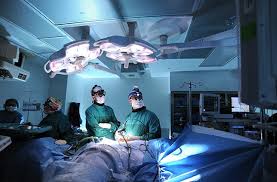
When conservative treatments do not provide relief, surgery may be recommended. Modern spine surgery focuses on minimally invasive techniques that reduce tissue damage, shorten hospital stays, and accelerate recovery.
Procedures like microdiscectomy, endoscopic spine surgery, and spinal fusion allow precise intervention while minimizing risks. Smaller incisions, less blood loss, and faster rehabilitation are some advantages of minimally invasive procedures.
The spine doctor carefully evaluates each patient’s condition to select the most suitable surgical approach. Personalized planning ensures optimal outcomes, reduces postoperative discomfort, and restores mobility.
Herniated Disc and Sciatica Management
Spinal Stenosis and Degenerative Conditions
Spinal stenosis occurs when the spinal canal narrows, putting pressure on nerves and causing pain, numbness, or difficulty walking. Age-related degeneration such as spondylosis and disc wear also affects spinal health.
Treatment strategies are individualized. Mild cases respond to physiotherapy and medication, while severe stenosis may require surgical decompression. Degenerative conditions often require long-term monitoring, exercises, and lifestyle modifications to maintain spinal integrity.
The spine doctor ensures treatment not only relieves pain but also prevents future complications and maintains mobility.
Spine Trauma and Emergency Care
Accidents, falls, or sports injuries can lead to spinal fractures, ligament tears, or nerve compression. Immediate evaluation by a spine doctor is critical to prevent worsening damage and preserve neurological function.
Imaging studies assess the extent of injury and guide treatment. Stable fractures may heal with rest and bracing, while unstable injuries often require surgical stabilization. Early intervention improves recovery outcomes and reduces the risk of long-term disability.
Emergency care at Dr. Kakani’s Brain Spine & Dental Super Speciality Clinic ensures rapid diagnosis, precise treatment planning, and timely intervention.
Post-Surgical Rehabilitation and Follow-Up
Rehabilitation is essential for successful spine surgery. Structured physiotherapy helps restore flexibility, strength, and spinal stability. Core strengthening and mobility exercises are customized to patient needs.
The spine doctor provides detailed instructions for safe activity, wound care, and daily routines. Regular follow-up visits monitor healing progress and detect potential complications early. Comprehensive post-surgical care promotes faster recovery and minimizes recurrence risk.
Preventive Spine Health and Lifestyle Advice
Maintaining spinal health requires proactive measures. The spine doctor emphasizes the importance of proper posture, ergonomics, regular exercise, and weight management.
Avoiding prolonged sitting, practicing safe lifting techniques, and incorporating stretching into daily routines help prevent strain on the spine. Preventive education empowers patients to protect long-term spinal health and reduce the risk of recurrent problems.
At Dr. Kakani’s Brain Spine & Dental Super Speciality Clinic, patients receive guidance that complements both surgical and non-surgical treatment strategies for lasting results.
Why Choose Dr. Kakani’s Clinic in Jabalpur?
Patients trust Dr. Kakani’s Brain Spine & Dental Super Speciality Clinic because of:
Comprehensive spine evaluation and diagnosis
Expertise in minimally invasive and advanced surgical techniques
Personalized treatment planning for each patient
Modern diagnostic and imaging facilities
Structured rehabilitation and post-treatment care
Transparent communication and patient-focused approach
The clinic combines expertise, technology, and compassionate care to deliver effective and safe spine treatment.
How to Book a Consultation
Conclusion
Spinal disorders can significantly affect mobility, work, and overall quality of life. Ignoring symptoms can lead to chronic pain, nerve damage, and functional limitations. Consulting a qualified Spine Doctor in Jabalpur ensures early diagnosis and effective treatment.
At Dr. Kakani’s Brain Spine & Dental Super Speciality Clinic, patients receive individualized care combining modern surgical techniques, evidence-based non-surgical treatments, and structured rehabilitation. Early intervention restores comfort, improves mobility, and enhances long-term spinal health.
Frequently Asked Questions (FAQs)
1. When should I consult a spine doctor?
Consult a spine doctor if you experience persistent back or neck pain, numbness, tingling, weakness, or difficulty moving.
2. Can spine problems be treated without surgery?
Yes. Many conditions improve with medication, physiotherapy, posture correction, and lifestyle modifications. Surgery is considered only when necessary.
3. What causes sciatica?
Sciatica is typically caused by a herniated disc or nerve compression in the lower spine.
4. How long is recovery after spine treatment or surgery?
Recovery depends on the condition and type of treatment. Minimally invasive surgery often allows faster healing and mobility restoration.
5. Where can I consult a spine doctor in Jabalpur?
You can visit Dr. Kakani’s Brain Spine & Dental Super Speciality Clinic for expert spine evaluation, treatment, and rehabilitation.
Connect with Dr. Nikhil Kakani Online – Stay Informed About Brain & Spine Health