Spine Clinic in Nagpur – Specialized Care for Back, Neck & Nerve Pain
When individuals search for a Spine Clinic in Nagpur, they are often looking for a dedicated center where spinal pain, nerve symptoms, posture problems, or mobility limitations receive systematic evaluation and treatment rather than temporary relief. Because the spine serves as the central structural support for the body and protects the spinal cord and nerve roots, any persistent discomfort, stiffness, or neurological sign demands accurate diagnosis and targeted management. Therefore, selecting a clinic that offers comprehensive evaluation, advanced imaging, evidence-based treatment plans, and coordinated follow-up directly influences both short-term relief and long-term functional health. At Dr. Kakani’s Brain Spine & Dental Super Speciality Clinic, patients benefit from structured spinal care led by experts who focus on solving the root causes of pain rather than merely suppressing symptoms. Consequently, individuals experience improvement in mobility, lifestyle quality, and overall functional performance.
Spinal conditions vary widely in presentation and severity, and because early symptoms often appear subtle, many patients delay evaluation until pain becomes debilitating. However, delaying specialist consultation may lead to chronic nerve damage, reduced responsiveness to therapy, and prolonged rehabilitation. Therefore, visiting a trusted spine clinic early in the course of symptoms supports better outcomes and reduces the risk of long-term disability. Moreover, a spine clinic integrates clinical assessment with diagnostic imaging and therapeutic planning to ensure that each patient receives personalized care rather than generalized treatment that fails to address the underlying pathology.
Understanding the Functional Importance of the Spine
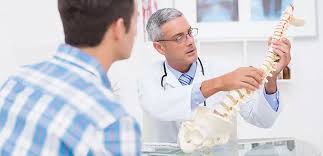
The spine also known as the vertebral column serves as the central axis of the body, supporting posture, facilitating movement, and protecting the spinal cord, which carries signals between the brain and the rest of the body. Because spinal integrity directly influences mobility and neurological function, disorders of the spine often produce a combination of pain, numbness, weakness, or impaired coordination. For example, compression of a spinal nerve may cause pain that radiates down an arm or leg, whereas disc degeneration may cause chronic stiffness and reduced flexibility. Therefore, clinical evaluation must consider both structural and neurological factors rather than treating pain in isolation.
At a spine clinic, the specialist interprets symptoms within the context of spinal biomechanics, neurological conduction, and soft tissue function. This integrated perspective ensures that diagnosis captures not only the site of pain but also the mechanisms that contribute to that pain. As a result, treatment planning becomes targeted, measurable, and outcome-oriented rather than symptomatic and temporary.
Common Spinal Conditions Seen at a Spine Clinic in Nagpur
Spine clinics in Nagpur manage a wide range of conditions that affect both adults and younger individuals. Chronic lower back pain often arises from degenerative disc changes, which gradually reduce disc height and alter load distribution across vertebral segments. Over time, this degenerative process may lead to spinal canal narrowing, facet joint arthritis, or nerve root impingement, all of which contribute to pain and functional restriction.
Neck pain and cervical spine issues also occupy a significant portion of clinic visits, especially among individuals who spend prolonged hours on computers or smartphones. Cervical disc degeneration, muscle imbalance, and poor posture frequently cause stiffness, headache, arm pain, or muscle weakness. In such cases, early evaluation at a spine clinic helps differentiate between muscular strain and structural or neurological involvement that may require further intervention.
Additionally, herniated discs — where the inner disc material protrudes and compresses nearby nerves — often produce radiating limb pain, numbness, or weakness. Spondylolisthesis, a condition involving vertebral slippage, may cause both pain and instability in functional activities. Spinal stenosis, another degenerative condition, results in narrowing of the spinal canal and often worsens with walking or prolonged standing. Because these conditions require precise evaluation and individualized planning, specialist consultation at a spine clinic provides meaningful direction rather than a trial-and-error approach.
Symptoms That Should Never Be Ignored
Although many individuals tolerate occasional back pain that appears mild, certain symptoms indicate serious spinal or neurological involvement and warrant timely evaluation at a spine clinic. Pain that persists beyond a few weeks despite rest and conservative care suggests that an underlying structural issue may need targeted treatment. Pain that radiates to limbs — especially when accompanied by numbness or tingling — frequently indicates nerve compression rather than simple muscular strain.
Moreover, weakness in the legs, difficulty walking, or loss of balance signals neurological involvement and requires urgent specialist assessment. Symptoms such as loss of bladder or bowel control, severe pain following trauma, or progressive functional loss represent red flags that should not be ignored. In such cases, early evaluation at a specialized spine clinic supports rapid decision-making and prevents long-term functional decline
Comprehensive Evaluation at a Spine Clinic
A structured evaluation at a spine clinic begins with detailed history taking. During this stage, the specialist explores the onset of symptoms, aggravating and relieving factors, previous treatments, impact on daily activities, and any relevant medical conditions. Subsequently, a thorough physical and neurological examination assesses posture, range of motion, reflexes, muscle strength, coordination, gait, and sensory responses. Because spinal conditions often overlap with neurological symptoms, this integrated exam remains essential for accurate diagnosis.
If indicated, advanced imaging tests such as Magnetic Resonance Imaging (MRI) or Computed Tomography (CT) scans provide detailed insight into disc integrity, vertebral alignment, nerve root compression, and soft tissue condition. MRI remains particularly valuable for visualizing discs, spinal cord, and nerve root involvement, while CT scans assist in evaluating bone structure, fractures, or alignment abnormalities. Nerve conduction studies further evaluate peripheral nerve health when radiculopathy or neuropathy is suspected. Importantly, imaging and diagnostic tests are recommended only when clinically necessary to avoid unnecessary procedures while ensuring diagnostic accuracy.
Personalized Treatment Planning and Conservative Care
Once diagnosis is established, specialists at a spine clinic develop a tailored treatment plan based on symptom severity, functional impairment, imaging findings, and patient goals. In many cases, conservative management remains the first line of treatment before considering surgical options. Conservative care includes a combination of targeted physiotherapy to strengthen core and back muscles, ergonomic guidance to improve posture and reduce repetitive strain, medication optimization for pain and inflammation control, and lifestyle modification counseling to address risk factors such as excess weight, sedentary habits, or smoking.
Physiotherapy exercises focus on restoring muscular balance, enhancing flexibility, and improving spinal alignment. Over time, this approach not only reduces pain but also strengthens supportive structures, thereby preventing future episodes. Medication therapies may include muscle relaxants, anti-inflammatory agents, nerve pain modulators, and judicious use of analgesics aimed at facilitating participation in rehabilitation rather than merely suppressing symptoms.
Role of Minimally Invasive Spine Procedures
When conservative care alleviates symptoms only partially or when structural findings indicate nerve compression, minimally invasive procedures provide targeted relief with reduced tissue disruption. These procedures aim to address the underlying pathology while minimizing impact on surrounding muscles and soft tissues. For example, microdiscectomy allows specialists to remove herniated disc fragments compressing nerves, often resulting in immediate reduction of radiating pain and improved function.
Similarly, endoscopic spinal decompression offers another minimally invasive option that relieves nerve pressure with smaller incisions and faster recovery. Percutaneous stabilization techniques add support in cases of segmental instability without extensive surgical exposure. Because these procedures emphasize precision and functional preservation, they often result in shorter hospital stays and quicker return to daily activities compared to traditional open surgeries.
When Surgical Intervention Becomes Necessary
Although many spine conditions respond well to conservative or minimally invasive approaches, certain cases require surgical intervention for lasting relief. Patients with progressive neurological deficits, significant structural instability, persistent pain despite conservative care, or functional limitation that affects quality of life may benefit from surgical planning.
In such cases, specialists at a spine clinic coordinate surgical evaluation with careful consideration of risks, benefits, and expected outcomes. Surgical procedures may include decompression to relieve nerve pressure, spinal fusion to stabilize segments, or correction of deformities to improve alignment and function. These procedures aim not only to alleviate pain but also to restore stability and preserve neurological integrity.
Rehabilitation and Ongoing Support
Spine Care for All Age Groups
Spinal conditions affect individuals across the age spectrum, and a spine clinic caters to both adults and youngsters with tailored care. In elderly patients, degenerative changes, reduced bone density, and age-related stiffness frequently complicate clinical presentation. In such cases, careful evaluation ensures that treatment balances pain relief with preservation of mobility and functional independence.
Conversely, younger individuals often experience back or neck pain due to lifestyle factors such as prolonged sitting, poor posture, or sports-related strain. Early clinical intervention helps differentiate between reversible muscular imbalances and more serious structural pathology, allowing targeted therapy that prevents long-term disability.
Pediatric spinal concerns, although less common, also deserve careful assessment to rule out growth-related deformities, scoliosis, or early nerve involvement. Early diagnosis in children facilitates growth-appropriate intervention that supports both structural and functional development.
Importance of Preventive Spine Health
When to Seek Immediate Evaluation
How to Book a Consultation
How to Prepare for Your Spine Clinic Consultation
Preparing for a consultation enhances evaluation quality and diagnostic accuracy. Patients should bring prior imaging reports such as MRI, CT scan, or X-rays along with medical records, lists of current medications, and documentation of symptom history including onset, frequency, triggers, and previous treatment attempts. Written summaries of pain patterns, functional limitations, and lifestyle factors further support the specialist’s clinical assessment.
Well-prepared consultations reduce ambiguity, avoid repeat testing, and allow the specialist to focus on precise diagnosis and targeted treatment planning. Additionally, preparing questions about expected outcomes, recovery timelines, and rehabilitation strategies facilitates shared decision-making between the patient and doctor.
Call for Appointment: +91‑72761‑35101
Visit Clinic: Ramdaspeth, Nagpur, Maharashtra, India
During the first visit, patients are advised to bring relevant medical records, imaging studies, and a list of symptoms. This preparation helps the neurosurgical team evaluate conditions efficiently and plan next steps without delay.
Conclusion
FAQs – Spine Clinic in Nagpur
1. What conditions are treated at a spine clinic?
Spinal degeneration, herniated discs, nerve compression, sciatica, neck pain, spinal stenosis, and related conditions are evaluated and treated.
2. Do I need prior imaging for consultation?
While helpful, bringing previous MRI, CT, or X-ray reports improves diagnostic accuracy.
3. Can spine pain be treated without surgery?
Yes; many cases respond to physiotherapy, medications, and lifestyle modification.
4. Are minimally invasive spine procedures available?
Yes; minimally invasive options are offered when clinically indicated.
5. When should I seek immediate evaluation?
Sudden severe pain, loss of strength, bladder/bowel dysfunction, or post-trauma pain require urgent assessment.