Spinal Cord Injury Treatment In Nagpur – Dr. Kakani’s Brain Spine & Dental Super Speciality Clinic
Spinal cord injury is a serious neurological condition; therefore, it demands immediate and structured medical care. Since the spinal cord carries signals between the brain and body, any disruption directly affects movement, sensation, and organ control. Consequently, patients may experience weakness, numbness, or even paralysis below the injury level. Because trauma or degenerative disorders frequently cause such injuries, early medical intervention significantly improves recovery potential.
For patients seeking Spinal Cord Injury Treatment in Nagpur, Dr. Kakani’s Brain Spine & Dental Super Speciality Clinic offers organized neuro-trauma management. Not only does the clinic provide rapid diagnosis, but it also delivers advanced surgical care and long-term rehabilitation planning. As a result, patients receive comprehensive treatment under one roof. Furthermore, early stabilization reduces the risk of secondary neurological damage.
Road traffic accidents commonly cause spinal trauma; however, falls, sports injuries, and spinal disorders also contribute significantly. In addition, infections, tumors, and disc degeneration may gradually compress the spinal cord. Therefore, identifying symptoms early becomes essential for preventing long-term disability.
Causes and Classification of Spinal Cord Injury
Primarily, traumatic events lead to spinal cord damage. For instance, high-speed vehicle collisions often produce cervical injuries. Similarly, elderly individuals frequently suffer spinal fractures due to falls. Moreover, workplace accidents and sports trauma increase risk among younger populations.
Besides trauma, medical conditions such as spinal tumors, infections, or severe disc prolapse may gradually compress neural structures. Consequently, both sudden and progressive causes require prompt evaluation.
Clinically, doctors classify spinal cord injuries as complete or incomplete. In complete injuries, patients lose total motor and sensory function below the injury level. In contrast, incomplete injuries preserve partial neurological activity. Therefore, prognosis depends heavily on the type and severity of damage.
Additionally, cervical injuries may affect breathing and upper limb function, whereas thoracic and lumbar injuries typically impact lower limb mobility and bladder control. Hence, accurate localization guides effective treatment planning.
Symptoms That Require Immediate Attention
Initially, patients may report severe neck or back pain after trauma. Shortly afterward, numbness or tingling sensations may develop in the limbs. As the injury progresses, muscle weakness may worsen. In severe cases, paralysis can occur.
Furthermore, breathing difficulty may arise if the cervical region becomes involved. Likewise, loss of bladder or bowel control signals serious neurological compromise. Therefore, any such symptom requires urgent medical evaluation.
In addition, balance disturbances, coordination issues, and abnormal reflexes often appear. Consequently, immediate hospital assessment improves the likelihood of preserving nerve function.
Diagnostic Evaluation and Imaging
First, doctors perform a detailed neurological examination. During assessment, they evaluate muscle strength, reflexes, and sensory responses. Subsequently, imaging confirms structural damage.
MRI scans provide detailed visualization of spinal cord tissues; meanwhile, CT scans identify fractures and vertebral displacement. Together, these tools enable precise diagnosis. As a result, doctors can determine whether conservative therapy or surgical intervention offers better outcomes.
At Dr. Kakani’s Brain Spine & Dental Super Speciality Clinic, advanced imaging systems accelerate diagnosis. Moreover, continuous monitoring ensures accurate neurological assessment. Therefore, early and precise diagnosis strengthens treatment success rates.
Treatment Strategies for Spinal Cord Injury
Treatment approach depends on severity; therefore, doctors individualize each plan. In mild cases, medications reduce inflammation and control pain. Additionally, immobilization devices stabilize the spine and prevent further injury. Simultaneously, rehabilitation begins early to preserve muscle function.
However, in severe cases, surgery becomes necessary. Surgeons perform spinal decompression to remove bone fragments or disc material pressing on nerves. Furthermore, stabilization using rods and screws restores spinal alignment. Consequently, nerve pressure decreases and blood flow improves.
Modern microsurgical techniques enhance precision; therefore, tissue damage remains minimal. Moreover, intraoperative neuro-monitoring helps surgeons track nerve signals in real time. As a result, complication rates decline significantly.
Importance of Early Rehabilitation
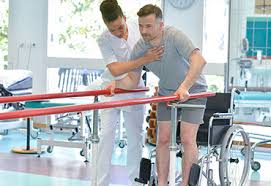
After medical stabilization, rehabilitation begins promptly. Through physiotherapy, patients rebuild strength and coordination. Additionally, occupational therapy restores independence in daily activities. Therefore, structured therapy accelerates functional recovery.
In long-term cases, extended rehabilitation programs support gradual improvement. Meanwhile, psychological counseling addresses emotional stress and anxiety. Because spinal injury affects both body and mind, comprehensive recovery requires multidisciplinary care.
Family involvement further enhances progress; consequently, supportive environments improve motivation and adherence.
Emergency Management and Golden Hour
Immediately after injury, rapid response becomes critical. During the first hour, doctors prioritize spinal immobilization to prevent additional damage. Therefore, trained personnel use cervical collars and spinal boards during transport.
Upon hospital arrival, teams stabilize airway, breathing, and circulation. Adequate oxygenation preserves spinal perfusion, while blood pressure control prevents secondary injury. Subsequently, imaging confirms structural damage. If required, surgeons intervene without delay. Thus, early intervention dramatically improves neurological outcomes.
Long-Term Care and Lifestyle Adjustments
Following acute treatment, long-term management becomes essential. Maintaining optimal body weight reduces spinal stress. Additionally, supervised exercise improves circulation and muscle tone. Proper posture prevents secondary strain; therefore, ergonomic guidance plays an important role.
Avoiding smoking and excessive alcohol supports nerve healing. Meanwhile, balanced nutrition rich in protein and vitamins accelerates tissue repair. Regular follow-ups monitor neurological stability and prevent complications.
Psychological and Social Reintegration
Beyond physical recovery, emotional resilience requires attention. Therefore, structured counseling helps patients manage anxiety or depression. Moreover, cognitive behavioral strategies improve coping ability.
Gradually, social reintegration programs support return to work or education. Because independence enhances confidence, rehabilitation includes skill rebuilding. Consequently, comprehensive care improves overall quality of life.
Technological Advances in Rehabilitation
Recent innovations further enhance recovery outcomes. Robotic-assisted physiotherapy promotes repetitive guided movement; therefore, muscle memory strengthens effectively. Additionally, electrical stimulation therapy improves nerve-muscle coordination.
Virtual reality-based systems increase engagement during therapy sessions. Furthermore, advanced mobility devices restore independence. As technology evolves, recovery possibilities continue to expand.
Why Choose Dr. Kakani’s Brain Spine & Dental Super Speciality Clinic
For Spinal Cord Injury Treatment in Nagpur, patients choose Dr. Kakani’s Brain Spine & Dental Super Speciality Clinic because it integrates emergency care, advanced diagnostics, and surgical expertise. Moreover, modern operation theaters and ICU facilities ensure safety during complex procedures. Transparent communication further helps families understand treatment pathways. Consequently, patients receive structured, evidence-based neurological care.
Psychological and Social Impact of Spinal Cord Injury
Spinal cord injury does not only affect physical health; it also has significant psychological and social implications. Therefore, emotional support becomes a crucial part of recovery. Many patients experience anxiety, depression, or frustration due to sudden lifestyle changes.
Loss of mobility can impact independence, employment, and daily activities. Structured psychological counseling helps patients adapt to these changes. Cognitive behavioral therapy and motivational support can improve mental resilience.
Family involvement plays a central role in emotional recovery. Supportive home environments improve patient confidence and rehabilitation participation. Social reintegration programs may help patients return to work or education gradually.
Technological Innovations in Spinal Cord Rehabilitation
Recent advancements in rehabilitation technology have improved recovery possibilities for spinal cord injury patients. Robotic-assisted physiotherapy devices help patients regain movement patterns through repetitive guided exercises. These systems enhance muscle memory and coordination.
Electrical stimulation therapy is another innovation that stimulates weakened muscles and improves nerve-muscle communication. This therapy may enhance functional recovery in incomplete spinal cord injuries.
Virtual reality-based rehabilitation programs also support balance training and coordination improvement. These interactive methods increase patient engagement during therapy sessions.
Advanced wheelchairs and assistive mobility devices further improve quality of life. Adaptive technologies allow patients to regain independence in daily tasks.
How to Book a Consultation
Conclusion
In summary, spinal cord injury demands urgent medical evaluation and structured intervention. Because early diagnosis prevents secondary damage, immediate consultation remains critical. Through advanced surgery, rehabilitation, and long-term management, patients can significantly improve functional outcomes. Therefore, for comprehensive Spinal Cord Injury Treatment in Nagpur, specialized neuro care ensures safety, precision, and sustained recovery.
Frequently Asked Questions (FAQs)
1. What causes spinal cord injury?
Road accidents, falls, sports injuries, and spinal diseases are common causes.
2. Is spinal cord injury reversible?
Recovery depends on injury severity. Early treatment improves recovery chances.
3. How is spinal cord injury diagnosed?
MRI and CT scans are commonly used for diagnosis.
4. Is surgery always required?
No. Mild injuries may be treated conservatively.
5. How long is recovery after spinal surgery?
Recovery may take weeks to months depending on injury severity.
6. Can paralysis be cured?
Some cases improve with rehabilitation, but severe injuries may cause permanent effects.
7. Is physiotherapy necessary?
Yes, physiotherapy is essential for recovery.
8. Can spinal cord injury be prevented?
Yes, by following safety measures and wearing protective gear.
9. What is the role of rehabilitation?
Rehabilitation helps restore mobility and independence.
10. Why choose specialized neuro spine centers?
Specialized centers provide advanced treatment, experienced surgeons, and structured care.
Connect with Dr. Nikhil Kakani Online – Stay Informed About Brain & Spine Health