Neurosurgeon In Seoni – Expert Brain, Spine & Nerve Care
Brain and spine problems can affect movement, memory, speech, balance, sensation, and everyday life. Therefore, finding the right Neurosurgeon In Seoni can help you understand your symptoms and explore suitable treatment options. A neurosurgeon evaluates conditions involving the brain, spinal cord, spine, and nervous system before recommending a treatment approach.
In addition, not every neurological or spine condition requires surgery. Many patients may benefit from medicines, observation, rehabilitation, lifestyle changes, or other non-surgical care. However, certain conditions may require a surgical opinion when symptoms become severe or affect neurological function.
Neurosurgeon In Seoni
What Does A Neurosurgeon Do?
A neurosurgeon specializes in the surgical evaluation and treatment of conditions involving the brain, spinal cord, nerves, and spine. However, the specialist does not recommend surgery automatically.
During a consultation, the neurosurgeon reviews your symptoms, medical history, neurological examination, and available reports. In addition, the doctor may recommend MRI, CT, or other investigations when they can provide important diagnostic information.
As a result, you can understand the possible cause of your symptoms and learn which treatment options may suit your condition.
Why Consult A Neurosurgeon In Seoni?
Neurological symptoms can sometimes develop gradually, while other problems can appear suddenly. Therefore, persistent or concerning symptoms deserve proper medical evaluation.
A Neurosurgeon In Seoni can assess conditions that involve the brain, spine, spinal cord, and nerves. Moreover, a specialist can explain whether your condition needs observation, medication, rehabilitation, further testing, or surgical treatment.
You may consider a neurosurgical consultation if you experience:
- Persistent headaches with concerning symptoms
- Seizures
- Loss of consciousness
- Persistent dizziness or balance problems
- Numbness or weakness
- Severe back or neck pain
- Pain spreading into an arm or leg
- Difficulty walking
- Changes in speech or movement
- Symptoms after a head or spine injury
- Known brain or spinal abnormalities
Conditions A Neurosurgeon May Evaluate
A neurosurgeon can evaluate a wide range of conditions affecting the brain, spine, spinal cord, and peripheral nerves. However, each condition requires an individual assessment.
Common problems may include:
- Brain tumors
- Head injuries
- Hydrocephalus
- Brain bleeding
- Certain vascular conditions
- Spinal tumors
- Herniated discs
- Spinal stenosis
- Nerve compression
- Spinal cord compression
- Degenerative spine conditions
- Certain spinal injuries
- Peripheral nerve problems
Therefore, accurate diagnosis remains an important first step before selecting treatment.
Seizures And Neurosurgical Evaluation
Seizures can have many possible causes. Therefore, patients with recurrent or unexplained seizures may need neurological assessment and appropriate testing.
A neurosurgeon may become involved when investigations identify a structural brain problem that could benefit from surgical evaluation. However, surgery only suits selected cases.
The treatment decision depends on the underlying cause, seizure pattern, imaging findings, and overall medical assessment.
Neurosurgeon In Seoni
How Does A Neurosurgeon Diagnose A Condition?
Diagnosis begins with a detailed discussion about your symptoms. First, the doctor may ask when the symptoms started and whether they have changed over time.
Next, the neurosurgeon may perform a neurological examination to assess strength, sensation, reflexes, coordination, balance, and movement. In addition, the doctor may review previous medical records and imaging.
If necessary, further investigations can provide additional information. As a result, the doctor can develop a clearer picture of the condition before recommending treatment.
MRI Scan For Brain And Spine Conditions
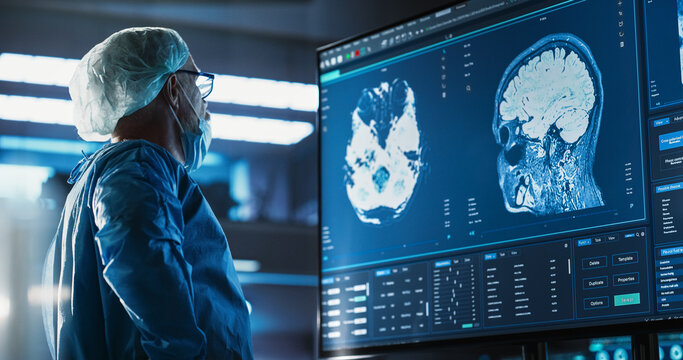
MRI provides detailed images of the brain, spinal cord, discs, nerves, and surrounding soft tissues. Therefore, doctors often use MRI when they need detailed information about certain neurological or spinal conditions.
every patient does not require an MRI. Your doctor recommends imaging according to your symptoms, examination findings, and suspected diagnosis.
In addition, your existing MRI or CT reports can help the neurosurgeon understand previous findings during your consultation.
CT Scan And Other Investigations
CT scans can provide detailed information about bones, bleeding, certain injuries, and other structural abnormalities. Therefore, doctors may recommend CT in specific emergency or diagnostic situations.
Depending on your symptoms, your medical team may also consider other tests. For example, selected patients may need neurological testing or laboratory investigations.
the appropriate tests depend on your individual condition. Your doctor can explain why a particular investigation may help.
Neurosurgeon In Seoni
Non-Surgical Neurosurgical Care
A neurosurgical consultation does not automatically mean that you need an operation. In fact, many patients can manage their condition without surgery.
Depending on the diagnosis, treatment may include:
- Medicines
- Physiotherapy
- Rehabilitation
- Activity modification
- Lifestyle adjustments
- Regular monitoring
- Pain-management strategies
- Follow-up imaging when appropriate
the treatment plan should focus on your actual condition rather than assuming that surgery represents the first option.
Neurosurgeon In Seoni
When Can Brain Or Spine Surgery Become Necessary?
Doctors consider surgery when the potential benefits outweigh the risks and when the patient’s condition supports an operative approach. For example, certain tumors, serious nerve compression, spinal cord compression, bleeding, or specific injuries may require surgery.
the presence of an abnormality on an MRI does not automatically mean that surgery becomes necessary.
Therefore, your neurosurgeon should explain the diagnosis, reason for surgery, expected benefits, possible risks, alternatives, and recovery process before you make a decision.
Neurosurgeon In Seoni
Minimally Invasive Neurosurgery
Modern neurosurgical care may include minimally invasive techniques for selected brain and spine conditions. These approaches use specialized equipment and carefully planned surgical access.
minimally invasive surgery does not suit every patient or every condition. The neurosurgeon chooses the technique according to the diagnosis, anatomy, symptoms, and treatment goals.
When appropriate, the approach may help reduce tissue disruption and support recovery. Your surgeon can explain whether this option fits your situation.
Neurosurgeon In Seoni
Book An Appointment With A Neurosurgeon In Seoni
If you or a family member experiences persistent neurological symptoms, brain-related concerns, spinal problems, or nerve-related issues, consider seeking professional medical guidance.
A Neurosurgeon In Seoni can evaluate your condition, review relevant reports, explain possible treatment options, and help you understand the next appropriate step.
Therefore, do not ignore symptoms that affect movement, sensation, balance, speech, consciousness, or daily life.
Book An Appointment
Frequently Asked Questions
Connect with Dr. Nikhil Kakani Online – Stay Informed About Brain & Spine Health