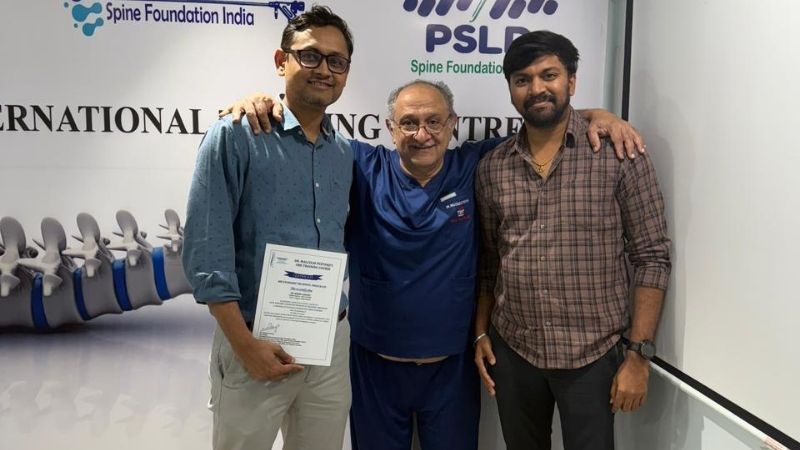
Neurosurgeon In Chhindwara
Finding the right specialist for a brain, spine, or nerve problem can feel difficult, especially when you need clear guidance and timely care. A Neurosurgeon In Chhindwara can evaluate neurological conditions and recommend the most suitable treatment based on your symptoms, medical history, and diagnostic reports.
At the same time, every patient has different needs. Some people improve with medicines, therapy, and lifestyle changes, while others may require a surgical procedure. Therefore, a detailed consultation can help identify the actual cause of your problem and guide the next step.
If you experience persistent headaches, back or neck pain, weakness, numbness, seizures, balance problems, or other neurological symptoms, consider consulting a qualified neurosurgical specialist for proper evaluation.
Neurosurgeon In Chhindwara
What Does A Neurosurgeon Do?
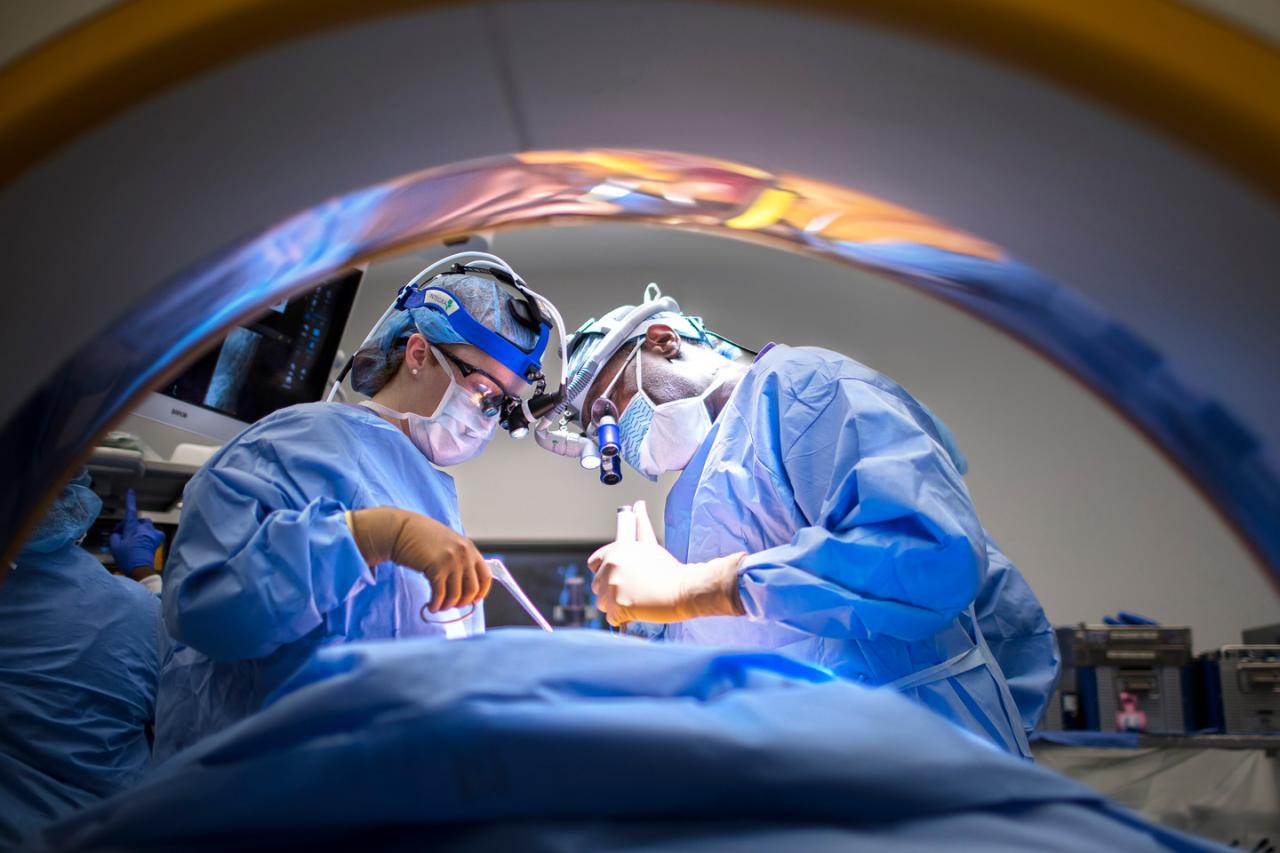
A neurosurgeon specializes in conditions that affect the brain, spinal cord, nerves, and related structures. However, neurosurgeons do not recommend surgery for every patient. Instead, they first evaluate the condition and consider non-surgical treatment whenever it can provide appropriate results.
During a consultation, the neurosurgeon may review your symptoms, medical history, previous treatments, and diagnostic reports. In addition, the specialist may recommend tests such as MRI, CT scans, X-rays, or other neurological assessments when necessary.
As a result, patients can receive a treatment plan that matches their individual condition rather than following a one-size-fits-all approach.
Why Consult A Neurosurgeon In Chhindwara?
Neurological symptoms can sometimes appear gradually, while other problems can develop suddenly. For this reason, persistent or concerning symptoms deserve professional attention.
A Neurosurgeon In Chhindwara can assess problems involving the brain, spine, spinal cord, and peripheral nerves. Furthermore, the specialist can explain your diagnosis, discuss available treatment options, and help you understand whether surgery may benefit you.
Most importantly, early evaluation can help identify serious neurological conditions before they become more difficult to manage.
Conditions Treated By A Neurosurgeon
A neurosurgeon may evaluate and manage a wide range of neurological and spinal conditions. Depending on your symptoms and test results, treatment may involve medication, observation, rehabilitation, minimally invasive procedures, or surgery.
Common conditions include:
- Brain tumors
- Head injuries
- Spinal tumors
- Brain hemorrhage
- Hydrocephalus
- Herniated or slipped discs
- Spinal stenosis
- Nerve compression
- Sciatica
- Spinal cord conditions
- Certain traumatic brain injuries
- Selected vascular conditions
- Complex spine disorders
However, each condition requires an individual assessment. Therefore, patients should avoid assuming that a particular treatment will suit them without professional evaluation.
Brain Tumor Evaluation And Treatment
A brain tumor can affect different areas of the brain and may produce symptoms such as headaches, seizures, vision changes, memory problems, weakness, or changes in behavior.
Because these symptoms can have several possible causes, proper diagnosis plays an important role. A neurosurgeon may review brain imaging and other clinical findings to understand the location and characteristics of a tumor.
Depending on the diagnosis, the treatment plan may include monitoring, medication, surgery, radiation, or coordination with other specialists. As a result, patients can receive care that focuses on both safety and long-term neurological function.
Neurosurgeon In Chhindwara
Spine And Back Problems
Spinal conditions can affect your mobility, comfort, and everyday activities. For example, a slipped disc can irritate a nerve and cause back pain, leg pain, tingling, or weakness.
Similarly, spinal stenosis can narrow the space around the spinal nerves and create pain or difficulty while walking. In addition, nerve compression can cause numbness or weakness in specific areas of the body.
A Neurosurgeon In Chhindwara can evaluate these symptoms and determine whether conservative treatment or a surgical option makes sense for your condition.
Slip Disc And Herniated Disc
A slipped or herniated disc can occur when the soft inner portion of a spinal disc moves through a damaged outer layer. Consequently, the displaced material can irritate nearby nerves.
Patients may experience lower back pain, neck pain, leg pain, arm pain, numbness, tingling, or weakness. However, symptoms can vary depending on the affected spinal level.
Treatment often begins with conservative approaches. If symptoms remain severe or neurological problems develop, a neurosurgeon may consider an appropriate procedure after reviewing the patient’s condition.
Sciatica And Nerve Compression
Sciatica commonly causes pain that travels from the lower back toward the buttock and leg. In many cases, nerve irritation or compression contributes to these symptoms.
Along with pain, some patients may experience tingling, numbness, or weakness. Therefore, persistent symptoms deserve a proper assessment rather than prolonged self-treatment.
A neurosurgical evaluation can help identify the source of nerve compression and determine the most suitable treatment approach.
Neurosurgeon In Chhindwara
Spinal Stenosis
Spinal stenosis occurs when the spaces around the spinal cord or nerves become narrower. As a result, the condition may place pressure on important neurological structures.
Some patients experience back pain, leg discomfort, numbness, weakness, or difficulty walking. However, symptoms can differ based on the location and severity of the narrowing.
A neurosurgeon can assess imaging reports and clinical symptoms to determine the appropriate management plan. In selected cases, surgery may become an option when conservative treatment does not provide sufficient relief.
Neurosurgeon In Chhindwara
Head Injuries And Brain Trauma
Head injuries require careful evaluation because even an apparently minor injury can sometimes produce neurological complications. Warning symptoms may include repeated vomiting, confusion, severe headache, loss of consciousness, seizures, unusual drowsiness, or weakness.
Therefore, patients should seek urgent medical attention when serious symptoms appear after a head injury. A neurosurgeon can evaluate the injury and coordinate appropriate treatment when required.
In emergency situations, timely assessment can make an important difference in protecting neurological function.
Neurosurgeon In Chhindwara
How Does A Neurosurgeon Diagnose A Condition?
Diagnosis usually begins with a detailed discussion about your symptoms. During the consultation, the neurosurgeon may ask when the symptoms started, how they have changed, and whether previous treatment helped.
Next, the specialist may perform a neurological and physical examination. Depending on the findings, the doctor may recommend imaging or other diagnostic tests.
Common investigations can include:
- MRI scans
- CT scans
- X-rays
- Neurological examinations
- Blood tests when appropriate
- Other specialized investigations based on the condition
As a result, the doctor can develop a clearer understanding of the problem before recommending treatment.
Neurosurgeon In Chhindwara
Book A Consultation With A Neurosurgeon In Chhindwara
Frequently Asked Questions
Connect with Dr. Nikhil Kakani Online – Stay Informed About Brain & Spine Health