Microdiscectomy Surgery In Nagpur – Dr. Kakani’s Brain Spine & Dental Super Speciality Clinic
Persistent lower back pain that radiates into the leg often indicates nerve compression caused by a herniated disc. When conservative treatments fail to provide relief, surgical intervention becomes necessary. Therefore, patients searching for microdiscectomy surgery in Nagpur can consult Dr. Kakani’s Brain Spine & Dental Super Speciality Clinic for structured diagnosis and precision-based surgical care.
Microdiscectomy is a minimally invasive spine surgery designed to remove the portion of a herniated disc that compresses a nerve root. Because the procedure targets only the problematic fragment, surrounding muscles and spinal structures remain largely preserved. Consequently, recovery tends to be faster compared to traditional open surgery.
Understanding Lumbar Disc Herniation
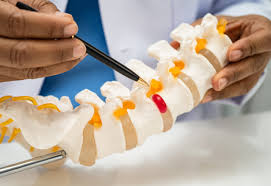
The human spine consists of vertebrae stacked upon each other, separated by intervertebral discs. These discs function as shock absorbers and allow flexibility in movement. Each disc has a strong outer ring called the annulus fibrosus and a soft inner core known as the nucleus pulposus. Over time, due to age-related degeneration, repetitive strain, poor posture, or trauma, the outer ring may weaken or tear. When this happens, the inner material can protrude outward and compress nearby spinal nerves.
Lumbar disc herniation most commonly occurs at the L4-L5 and L5-S1 levels. When a nerve root is compressed, patients experience symptoms that extend beyond localized back pain. The most characteristic symptom is sciatica, which presents as sharp, radiating pain traveling from the lower back into the buttock and down one leg. Additional symptoms may include numbness, tingling, muscle weakness, and difficulty walking or standing for extended periods.
Early identification of nerve compression is critical because prolonged pressure on a nerve root may result in permanent neurological deficits. Therefore, timely consultation with a spine specialist is essential.
Causes and Risk Factors for Disc Herniation
Several factors contribute to the development of lumbar disc herniation. Age-related degeneration is the most common cause, as spinal discs gradually lose water content and elasticity over time. Occupational hazards such as repetitive lifting, prolonged sitting, and improper body mechanics increase stress on the lumbar spine. Obesity places additional pressure on spinal discs, accelerating degeneration.
Lifestyle habits also play a role. Sedentary behavior weakens core muscles that support the spine, while smoking reduces blood supply to spinal tissues, impairing disc health. Sudden trauma, such as a fall or accident, may also precipitate disc herniation. Understanding these risk factors helps in both prevention and postoperative management after microdiscectomy surgery.
Symptoms That May Indicate the Need for Surgery
Not every case of disc herniation requires surgery. Many patients respond well to conservative treatment within six to eight weeks. However, certain symptoms indicate that surgical intervention may be necessary. Persistent, severe leg pain despite medications and physiotherapy is a primary indicator. Progressive muscle weakness in the leg is another warning sign.
In rare cases, patients may develop loss of bladder or bowel control or numbness in the groin area. These symptoms may suggest cauda equina syndrome, which requires immediate surgical decompression.
The decision for microdiscectomy is based on the severity of symptoms, duration of pain, response to conservative therapy, and correlation between MRI findings and clinical examination.
Conservative Management Before Microdiscectomy
Before recommending surgery, spine specialists typically initiate non-surgical treatment. This may include anti-inflammatory medications to reduce swelling around the nerve root, muscle relaxants to relieve spasms, and structured physiotherapy to improve strength and flexibility. Epidural steroid injections may be administered to decrease inflammation and provide temporary relief.
Activity modification is also advised. Patients are encouraged to avoid heavy lifting and prolonged sitting. Core strengthening exercises play a significant role in stabilizing the spine. If symptoms persist beyond six to eight weeks or neurological deficits progress, microdiscectomy may be recommended.
What Is Microdiscectomy Surgery?
Microdiscectomy is a minimally invasive surgical procedure performed under general anesthesia. It involves making a small incision over the affected spinal level. Unlike traditional open discectomy, the surrounding muscles are gently separated rather than extensively cut. A surgical microscope provides magnified visualization of the spinal structures, enabling precise removal of the herniated disc fragment compressing the nerve root.
The procedure focuses on removing only the offending portion of the disc while preserving as much normal tissue as possible. This approach maintains spinal stability and minimizes postoperative discomfort. Microdiscectomy typically takes one to two hours to complete. Because tissue disruption is limited, recovery is generally faster compared to conventional open spine surgery.
Advantages of Microdiscectomy Surgery
Preoperative Evaluation at Dr. Kakani’s Clinic in Nagpur
At Dr. Kakani’s Brain Spine & Dental Super Speciality Clinic in Nagpur, patient evaluation follows a structured protocol. A detailed medical history is obtained, followed by a comprehensive neurological examination. MRI imaging of the spine confirms the level and severity of disc herniation. Additional tests such as X-rays may be performed to assess spinal alignment and stability.
Routine blood investigations and anesthesia clearance ensure patient safety during surgery. The decision to proceed with microdiscectomy is made only after correlating clinical findings with imaging results.
Recovery After Microdiscectomy Surgery
Recovery following microdiscectomy is gradual and structured. Immediately after surgery, patients are encouraged to walk to promote circulation and reduce the risk of complications. Pain is managed with medications, and most patients return home within one to two days.
During the first few weeks, bending, twisting, and heavy lifting should be avoided. Light activities are permitted, and walking is encouraged. Physiotherapy usually begins within a few weeks to strengthen core muscles and improve spinal flexibility.
Full recovery may take several weeks, depending on the patient’s overall health and adherence to rehabilitation guidelines. Returning to work depends on the nature of the job. Desk-based work may resume within two to four weeks, while physically demanding jobs require longer recovery.
Risks and Potential Complications
Long-Term Outcomes and Recurrence Prevention
Microdiscectomy effectively relieves nerve compression but does not reverse underlying disc degeneration. Long-term success depends on lifestyle modifications and spinal health maintenance. Core strengthening exercises, weight management, ergonomic posture correction, and smoking cessation significantly reduce the risk of recurrence.
Recurrence of disc herniation occurs in a small percentage of cases. Compliance with postoperative instructions and rehabilitation protocols plays a crucial role in minimizing this risk.
Cost of Microdiscectomy Surgery in Nagpur
Why Choose Dr. Kakani’s Brain Spine & Dental Super Speciality Clinic
Choosing an experienced spine surgeon directly influences surgical outcomes. Dr. Kakani’s clinic offers a focused spine care approach that emphasizes accurate diagnosis, evidence-based surgical indication, and minimally invasive techniques. The clinic provides structured postoperative rehabilitation and follow-up to ensure optimal recovery.
Patients in Nagpur benefit from access to specialized spine care without the need to travel to larger metropolitan centers.
Advanced Technology and Precision Spine Care at Dr. Kakani’s Clinic
An important factor influencing surgical outcomes is the use of modern technology and precision-based techniques. At Dr. Kakani’s Brain Spine & Dental Super Speciality Clinic in Nagpur, microscopic visualization enhances surgical accuracy. The minimally invasive approach ensures preservation of healthy tissues while effectively decompressing the nerve root.
Preoperative planning is supported by high-quality MRI imaging and structured neurological assessment. Intraoperative precision reduces unnecessary tissue disruption and promotes faster recovery. Postoperative follow-up includes monitoring neurological recovery and structured physiotherapy guidance. This technology-driven and patient-centered approach ensures that surgery is recommended only when clearly indicated and performed with maximum safety.
How to Book a Consultation
Call for Appointment: +91‑72761‑35101
Visit Clinic: Ramdaspeth, Nagpur, Maharashtra, India
During the first visit, patients are advised to bring relevant medical records, imaging studies, and a list of symptoms. This preparation helps the neurosurgical team evaluate conditions efficiently and plan next steps without delay.
Conclusion
Microdiscectomy surgery is an effective and minimally invasive solution for lumbar disc herniation causing persistent nerve compression. When conservative treatment fails, targeted surgical decompression offers significant relief from sciatica and neurological symptoms.
Patients seeking microdiscectomy surgery in Nagpur can consult Dr. Kakani’s Brain Spine & Dental Super Speciality Clinic for comprehensive evaluation and precision-based spine care. Early diagnosis, appropriate patient selection, surgical expertise, and disciplined rehabilitation are the key determinants of successful long-term outcomes.
Frequently Asked Questions (FAQs)
1. What is the success rate of microdiscectomy surgery?
Microdiscectomy has a high success rate, typically between 85 and 95 percent, particularly for relieving leg pain caused by nerve compression.
2. How long does the surgery take?
The procedure usually takes one to two hours depending on the complexity and spinal level involved.
3. Is microdiscectomy a major surgery?
It is classified as minimally invasive spine surgery because it involves a small incision and limited tissue disruption.
4. How soon can I walk after surgery?
Most patients are encouraged to walk within a few hours after the procedure.
5. When can I return to work?
Desk jobs may resume within two to four weeks. Physically demanding work may require six to eight weeks or longer.
6. Can the disc herniation recur after surgery?
Yes, recurrence is possible but uncommon. Following rehabilitation guidelines significantly reduces the risk.
7. Will I need spinal fusion along with microdiscectomy?
Spinal fusion is generally not required for single-level disc herniation without instability.
8. Is hospitalization required?
Yes, but hospital stay is usually short, typically one to two days.