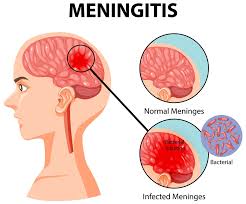
Meningitis in Nagpur at Kakani's Brain Spine and Dental Super Speciality Clinic
Bacteria, viruses, or fungi may trigger the condition, leading to swelling and increased pressure inside the skull.
Meanwhile, meningitis can develop rapidly or gradually, depending on the type. Consequently, recognizing early symptoms is essential for timely medical intervention. Patients who notice fever, headache, or neck stiffness should explore related neurological treatments promptly.
Common Symptoms of Meningitis
Symptoms of meningitis often appear suddenly and may worsen quickly. Severe headaches, neck stiffness, high fever, and nausea are among the earliest signs. Meanwhile, sensitivity to light, confusion, or drowsiness may develop as inflammation progresses.
Additionally, in infants and young children, symptoms may include irritability, poor feeding, or unusual crying patterns. Therefore, parents and caregivers should remain alert and seek prompt medical evaluation if these signs are observed.
Causes and Risk Factors
Bacterial meningitis is often more severe, whereas viral meningitis may resolve without aggressive intervention. Fungal meningitis is rarer but can affect immunocompromised individuals. Consequently, understanding the cause helps doctors determine the appropriate treatment plan.
Meanwhile, risk factors include close contact with infected individuals, weakened immunity, or recent infections such as sinusitis or ear infections. Therefore, preventive measures and early medical attention are crucial in reducing complications.
Types of Meningitis
Meningitis is generally categorized based on the infectious agent. Bacterial meningitis can cause rapid deterioration and requires immediate treatment. Viral meningitis tends to be less severe but still affects neurological function. Meanwhile, fungal meningitis is uncommon and primarily affects patients with weakened immunity.
Therefore, identifying the type is critical for accurate care. Patients seeking detailed guidance can learn more about our neurological services to understand treatment options.
Meningitis Diagnosis
Doctors begin by assessing symptoms, medical history, and potential exposure to infections. Neurological evaluation includes checking reflexes, coordination, and cognitive responses. Furthermore, laboratory tests, including blood work and cerebrospinal fluid analysis, help confirm the infection.
Imaging studies such as MRI or CT scans may be used to detect inflammation, swelling, or abscess formation. Consequently, timely and precise diagnosis is essential to reduce neurological complications and ensure proper treatment.
Impact of Meningitis on Daily Life
Meningitis can significantly affect daily functioning due to both physical and cognitive symptoms. Persistent headaches, fever, and fatigue may disrupt work or school routines. Meanwhile, memory or concentration difficulties can complicate daily decision-making.
Moreover, emotional wellbeing may be affected due to illness severity. Patients often experience anxiety, irritability, or mood fluctuations during recovery. Consequently, careful monitoring, rest, and medical guidance play a vital role in restoring normal life.
Preventive Measures for Meningitis
Vaccination against bacterial meningitis is a primary preventive measure, especially in children, adolescents, and high-risk individuals. Meanwhile, maintaining proper hygiene, avoiding close contact with infected individuals, and managing underlying health conditions also reduce risk.
Therefore, patient education about early warning signs and preventive strategies helps reduce severe complications. Families can support at-risk individuals by observing symptoms and seeking medical guidance promptly.
Complications of Untreated Meningitis
Brain swelling, hearing loss, cognitive deficits, or seizures may occur. Meanwhile, bacterial meningitis may rapidly progress, increasing the risk of permanent neurological damage.
Consequently, recognizing symptoms and seeking timely intervention is critical. Early diagnosis allows doctors to manage inflammation, prevent complications, and support long-term neurological health.
Why Choose Kakani's Brain Spine and Dental Super Speciality Clinic
At Kakani’s Brain Spine and Dental Super Speciality Clinic, Dr. Kakani focuses on thorough patient evaluation. Doctors consider infection history, symptom progression, and overall health. Therefore, care plans are tailored to prevent complications and restore neurological function.
Additionally, patient education is emphasized to recognize warning signs and follow preventive practices. Consequently, patients are empowered to participate actively in their care, supporting faster recovery and long-term brain and spinal health.
Long-Term Monitoring After Meningitis
Patients recovering from meningitis often require follow-up visits for neurological assessment. Doctors may recommend periodic imaging, cognitive testing, and hearing evaluations. Therefore, any emerging complications can be detected early.
Meanwhile, rehabilitation may include physical therapy, cognitive exercises, and lifestyle guidance. Consequently, patients regain strength, coordination, and cognitive clarity. Those seeking personalized care can book your consultation today to ensure comprehensive recovery.
Importance of Patient Education in Brain Tumor Awareness
Patient awareness plays a key role in preventing and managing meningitis. Recognizing early symptoms such as fever, headache, or neck stiffness enables timely evaluation. Therefore, early intervention reduces the risk of severe complications.
Furthermore, educating families about meningitis symptoms supports rapid response and monitoring. Consequently, combined awareness and proactive care strengthen recovery outcomes and long-term neurological wellbeing.
Frequently Asked Questions
1. What is meningitis?
Meningitis is inflammation of the protective membranes covering the brain and spinal cord. It is usually caused by bacterial, viral, or fungal infections and can affect neurological function if untreated.
2. What are the early symptoms of meningitis?
Early symptoms include severe headache, fever, neck stiffness, nausea, and sensitivity to light. Prompt medical evaluation helps prevent complications such as brain swelling or neurological deficits.
3. How is meningitis diagnosed?
Doctors diagnose meningitis using neurological exams, blood tests, and cerebrospinal fluid analysis. Imaging tests like MRI or CT scans may be performed to check for inflammation or abscesses.
4. Can meningitis cause long-term effects?
Yes, untreated meningitis may lead to cognitive impairment, hearing loss, seizures, or permanent neurological damage. Early intervention is critical to minimize long-term consequences.
5. When should I see a doctor for meningitis symptoms?
Seek immediate medical care if severe headache, fever, neck stiffness, or vomiting persists. Early evaluation ensures timely treatment and reduces the risk of serious complications.