Lumbar Disc Surgery and Sciatica in Nagpur at Kakani's Brain Spine and Dental Super Speciality Clinic
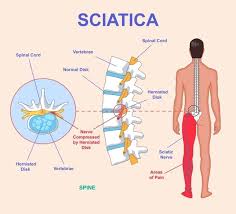
Lumbar Disc Surgery and Sciatica problems occur when spinal discs in the lower back herniate or degenerate, pressing on nerves. Consequently, this can lead to sciatica, causing radiating pain, tingling, or numbness down the leg.
Meanwhile, causes include aging, heavy lifting, trauma, or poor posture. Therefore, early recognition of symptoms is essential to prevent worsening nerve damage. Patients experiencing persistent lower back pain should explore related neurological treatments promptly.
Common Symptoms of Lumbar Disc Problems
Symptoms often include lower back pain, stiffness, and limited mobility. Sciatica may present as sharp, shooting pain radiating from the lower back to the buttocks, thighs, and legs. Meanwhile, numbness, tingling, or muscle weakness may accompany the pain.
Additionally, prolonged sitting or standing may aggravate symptoms. Consequently, timely medical evaluation is critical to prevent chronic nerve compression and improve long-term spinal health.
Causes and Risk Factors
Lumbar disc herniation or degeneration is commonly caused by aging, repetitive strain, trauma, or improper lifting. Meanwhile, obesity, sedentary lifestyle, and poor posture increase susceptibility. Consequently, both lifestyle and biological factors play a role in sciatica development.
Furthermore, genetic predisposition and previous spinal injuries may contribute. Therefore, patient awareness and early intervention are crucial for preventing severe nerve damage and functional impairment.
Types of Lumbar Disc Surgery and Sciatica Problems
Lumbar disc issues include herniated discs, bulging discs, and degenerative disc disease. Herniated discs occur when the inner disc material protrudes, pressing on nerves. Meanwhile, bulging discs may compress nearby structures, and degenerative changes cause chronic pain.
Understanding the type of disc problem guides treatment planning. Patients can visit our treatment page to explore surgical and non-surgical management strategies tailored to their condition.
Diagnosing Lumbar Disc Issues
Doctors begin with a detailed neurological evaluation, assessing reflexes, muscle strength, and sensory function. Meanwhile, imaging tests like MRI or CT scans visualize disc integrity, nerve compression, and spinal alignment.
Laboratory tests may rule out infections or other underlying conditions. Consequently, accurate diagnosis ensures timely intervention and prevents further nerve injury or chronic sciatica.
Impact on Daily Life
Lumbar disc problems and sciatica can significantly limit daily activities. Pain, numbness, and weakness may make walking, bending, or lifting difficult. Meanwhile, prolonged discomfort can affect sleep, work, and overall wellbeing.
Moreover, emotional stress and frustration often accompany chronic pain. Therefore, early evaluation, treatment, and lifestyle adjustments are essential for restoring mobility, independence, and quality of life.
Preventive Measures and Lifestyle Modifications
Preventing lumbar disc issues involves maintaining proper posture, engaging in regular core-strengthening exercises, and avoiding heavy lifting without support. Meanwhile, weight management and ergonomic adjustments reduce stress on the lower back.
Additionally, patient education about early symptom recognition and self-care strategies enhances recovery. Consequently, proactive measures reduce the risk of chronic nerve compression and long-term spinal complications.
Complications Without Timely Treatment
Untreated lumbar disc problems can lead to chronic pain, permanent nerve damage, or weakness. Severe cases of sciatica may affect mobility, balance, and bladder or bowel control. Meanwhile, prolonged compression increases the risk of irreversible neurological deficits.
Therefore, urgent evaluation is critical. Patients experiencing persistent lower back pain, leg numbness, or weakness should book your consultation today to prevent complications.
Why Choose Kakani's Brain Spine and Dental Super Speciality Clinic
At Kakani’s Brain Spine and Dental Super Speciality Clinic, Dr. Kakani provides thorough evaluation and management for lumbar disc problems and sciatica. Doctors assess imaging results, neurological symptoms, and patient history to design personalized treatment plans.
Additionally, patient education emphasizes preventive care, early symptom recognition, and post-surgery rehabilitation. Consequently, informed patients actively participate in recovery, supporting improved functional outcomes and long-term spinal health
Long-Term Monitoring After Meningitis
Post-surgical and non-surgical management requires ongoing follow-up. Doctors may recommend imaging, physiotherapy, and core-strengthening exercises to maintain spinal stability. Meanwhile, patients are guided on posture, ergonomics, and lifestyle adjustments.
Consequently, structured rehabilitation helps restore mobility, relieve pain, and prevent recurrence. Individuals seeking comprehensive care can learn more about our neurological services for long-term support.
Importance of Awareness for Lumbar Disc Health
Awareness of lumbar disc issues and sciatica is essential for early intervention. Recognizing back pain, leg numbness, tingling, or weakness enables prompt evaluation. Therefore, early care reduces nerve damage and improves recovery outcomes.
Furthermore, educating family and caregivers helps monitor symptoms and provide timely support. Consequently, awareness combined with preventive measures strengthens long-term spinal wellbeing and functional independence.
Frequently Asked Questions
1. What is sciatica?
Sciatica is nerve pain caused by compression of the sciatic nerve, often from lumbar disc herniation, radiating from the lower back to the legs.
2. What are common symptoms of lumbar disc problems?
Symptoms include lower back pain, leg numbness or tingling, muscle weakness, shooting pain, and difficulty walking or standing.
3. How are lumbar disc issues diagnosed?
Diagnosis involves neurological examinations, MRI or CT scans, and review of medical history to assess nerve compression and disc integrity.
4. Can lumbar disc surgery relieve sciatica?
Yes, surgery can remove pressure on nerves, alleviate pain, and restore mobility. Early intervention improves outcomes and reduces the risk of permanent nerve damage.
5. When should I consult a doctor for lumbar disc problems?
Seek evaluation if back pain persists, leg numbness or weakness develops, or mobility is affected. Timely care prevents long-term neurological complications.