
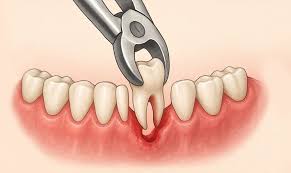
Tooth Extraction in Nagpur at Kakani’s Brain Spine and Dental Super Speciality Clinic
Reasons for Tooth Extraction
Tooth Extraction in Nagpur may be necessary for several oral health concerns. Severe decay that cannot be restored with fillings or crowns is one of the most common reasons. Persistent infection around the tooth or bone often necessitates removal to prevent the spread of bacteria.
Other reasons include overcrowding, which can cause misalignment and discomfort, and trauma that fractures the tooth beyond repair. Impacted or partially erupted wisdom teeth are frequently removed to avoid pain and complications. Each case is carefully evaluated by Dr. Kakani, ensuring only teeth that cannot be preserved are extracted, protecting the overall dental structure and function.
Types of Tooth Extraction
There are two primary types of Tooth Extraction in Nagpur: Simple extraction is performed on teeth visible above the gum line using basic dental instruments under local anesthesia.
Surgical extraction involves removing teeth that are broken, impacted, or positioned below the gum line. In such cases, Dr. Kakani may make a small incision or remove a section of bone to access the tooth safely. Digital imaging helps guide the procedure, making it precise and reducing trauma to surrounding tissue while ensuring proper healing.
Preparing for Tooth Extraction
Preparation for Tooth Extraction in Nagpur begins with a detailed oral examination, digital X-rays, and assessment of overall health. Patients are asked about medications, allergies, and previous dental experiences to plan the procedure safely.
Understanding the type of extraction, whether simple or surgical, helps patients anticipate recovery and follow proper post-operative care. Pre-procedure instructions may include fasting if sedation is used, maintaining oral hygiene, and arranging transportation if needed. This preparation ensures that the extraction is safe, efficient, and comfortable.
The Tooth Extraction Procedure
During Tooth Extraction in Nagpur, local anesthesia is applied to numb the area, ensuring patient comfort throughout. For simple extractions, the tooth is loosened with specialized instruments and removed gently from the socket.
For surgical extractions, small incisions may be made, and bone or tissue may be adjusted to access the tooth. Once removed, the site is cleaned, and gauze is applied to control bleeding. Dr. Kakani provides clear post-operative instructions regarding oral care, diet, and medications to ensure proper healing.
Benefits of Tooth Extraction
Recovery
Risks and Precautions
Why Choose Dr. Kakani for Tooth Extraction in Nagpur?
Preventive Measures to Reduce Facial Injuries
If you are experiencing persistent headaches, seizures, or unexplained neurological symptoms, timely evaluation becomes important. You can book an appointment with Dr. Kakani at Kakani’s Brain Spine and Dental Super Speciality Clinic for a detailed neurological assessment and personalized guidance regarding brain health concerns.
Frequently Asked Questions
Who requires tooth extraction?
Patients with severe decay, infection, impacted teeth, or overcrowding may need extraction to protect oral health.
Is the procedure painful?
Local anesthesia ensures a painless experience, while mild post-operative discomfort is manageable with prescribed medication.
How long is the recovery period?
Initial healing usually takes a few days, while full tissue regeneration may take several weeks.
Can extraction affect nearby teeth?
Proper planning ensures only the targeted tooth is removed, minimizing impact on surrounding teeth.
Are there risks involved?
Minor risks include swelling, bleeding, or dry socket, which are minimized with proper care and follow-ups.