Emergency Neurosurgeon In Nagpur – Dr. Kakani’s Brain Spine & Dental Super Speciality Clinic
When neurological emergencies occur, every minute matters; therefore, access to a skilled Emergency Neurosurgeon in Nagpur can significantly affect survival and recovery outcomes. Whether it involves head trauma, sudden neurological deficits, brain hemorrhage, or spinal cord compression, urgent evaluation and rapid intervention are critical. At Dr. Kakani’s Brain Spine & Dental Super Speciality Clinic, patients receive prompt neurological assessment, emergency stabilization, and advanced surgical care designed for time-sensitive conditions.
Because neurological injuries can progress rapidly, early consultation with an emergency neurosurgeon improves prognosis and reduces the risk of permanent disability. Moreover, structured emergency protocols ensure that patients receive coordinated care from diagnosis to recovery.
What Constitutes a Neurosurgical Emergency?
A neurosurgical emergency arises when brain, spine, or nerve tissue faces imminent damage due to trauma, internal bleeding, or sudden compression. For example, severe head injuries from road accidents can cause skull fractures or intracranial bleeding. Likewise, spinal cord injury may lead to paralysis if pressure is not relieved promptly.
Furthermore, sudden onset of severe headache, seizures, limb weakness, speech disturbance, or loss of consciousness also indicates possible neurological emergencies. Because these symptoms suggest critical brain or spinal compromise, immediate evaluation and intervention become necessary. Emergency neurosurgeons are trained to make rapid decisions that preserve neurological function and save lives.
Rapid Response and Emergency Protocols
At Dr. Kakani’s Brain Spine & Dental Super Speciality Clinic, emergency neurological care begins the moment patients arrive. First, medical teams stabilize airway, breathing, and circulation because neurological injuries often impact basic life functions. Subsequently, urgent imaging such as CT scans and MRI confirm the location and extent of injury.
During this rapid assessment, doctors monitor vital signs and neurological reflexes to detect changes in brain pressure or spinal cord function. Because timely diagnosis directly influences treatment success, imaging and clinical evaluation occur without delay. Moreover, emergency labs and neurological monitoring support accurate decision-making under pressure.
Emergency Surgical Interventions
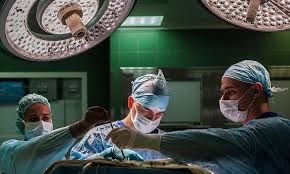
When non-surgical management is insufficient, emergency neurosurgery may be required. At this center, procedures such as hematoma evacuation, decompressive craniectomy, skull fracture repair, and spinal decompression are commonly performed. Each intervention aims to reduce pressure on neural tissue, stop active bleeding, or restore structural alignment.
Advanced microsurgical techniques improve precision while minimizing additional tissue trauma. Consequently, patients benefit from safer surgical outcomes even in acute crisis situations. Furthermore, intraoperative monitoring enhances safety by tracking nerve function during surgery, thereby reducing the risk of further neurological injury.
Intensive Care and Stabilization
Rehabilitation After Emergency Neurosurgical Care
Successful emergency neurosurgery represents only the first step; therefore, structured rehabilitation ensures long-term functional restoration. Physiotherapy enhances muscle strength and coordination, particularly after spinal trauma. Meanwhile, occupational therapy assists patients in regaining independence in everyday tasks.
Because neurological conditions often affect motor control, balance, and cognitive function, individualized rehabilitation programs are essential. Furthermore, family involvement and psychological support enhance patient motivation and emotional resilience throughout the recovery process.
Advanced Neuroimaging and Immediate Diagnostic Accuracy
In neurological emergencies, rapid and precise diagnosis determines survival; therefore, advanced neuroimaging plays a central role in emergency neurosurgical care. At Dr. Kakani’s Brain Spine & Dental Super Speciality Clinic, urgent CT scans are prioritized for trauma and suspected hemorrhage because they quickly identify bleeding, fractures, or swelling. Subsequently, MRI scans are performed when detailed visualization of brain tissue, spinal cord structures, or nerve compression is required. As a result, the exact pathology is identified without diagnostic delay.
Moreover, continuous neurological assessment complements imaging findings. Consequently, changes in pupil response, limb strength, or consciousness level are documented systematically. In addition, serial monitoring allows early detection of worsening intracranial pressure. Therefore, treatment decisions remain dynamic and evidence-based rather than reactive.
Because emergency neurosurgery demands accuracy under pressure, this structured diagnostic workflow significantly improves clinical outcomes while reducing unnecessary intervention risks.
Intracranial Pressure Management and Brain Protection Strategies
Severe head injuries and hemorrhagic strokes often increase intracranial pressure; therefore, aggressive brain protection strategies become essential. At this emergency neurosurgical center in Nagpur, intracranial pressure monitoring devices are utilized whenever indicated. Consequently, rising pressure is detected early and managed proactively.
Furthermore, medical management includes controlled ventilation, osmotic therapy, and blood pressure stabilization. As a result, secondary brain injury caused by oxygen deprivation or excessive swelling is minimized. Additionally, when medical therapy is insufficient, surgical decompression may be performed to relieve pressure. Therefore, neurological tissue receives the best possible chance for recovery.
Because secondary injury frequently causes more damage than the initial trauma, comprehensive pressure control protocols remain critical in emergency neurosurgical practice.
Emergency Spine Stabilization and Neurological Preservation
Spinal trauma requires immediate structural stabilization; therefore, early immobilization and imaging assessment are mandatory. At Dr. Kakani’s clinic, suspected spinal cord injuries are evaluated promptly to prevent further displacement or nerve damage. Consequently, temporary stabilization methods are applied before definitive surgical correction when necessary.
Moreover, surgical decompression is performed when nerve compression threatens permanent paralysis. As a result, spinal cord function is preserved to the maximum extent possible. In addition, internal fixation techniques restore vertebral alignment and structural integrity. Therefore, both mechanical stability and neurological preservation are addressed simultaneously.
Because delayed intervention can lead to irreversible deficits, timely spinal stabilization significantly improves long-term mobility and independence.
Multidisciplinary Emergency Coordination and Team Response
Effective emergency neurosurgery requires coordinated teamwork; therefore, multidisciplinary collaboration forms a core component of care delivery. At this center, neurosurgeons, anesthesiologists, critical care specialists, and nursing staff operate within predefined emergency protocols. Consequently, decision-making remains structured even in high-pressure situations.
Furthermore, anesthetic management is carefully calibrated to maintain cerebral perfusion while preventing additional neurological stress. As a result, intraoperative stability improves. In addition, critical care teams prepare ICU facilities in parallel with surgical planning. Therefore, transition from operating theatre to intensive monitoring occurs seamlessly.
Because neurological emergencies evolve rapidly, synchronized team response enhances both safety and efficiency throughout the treatment continuum.
Post-Emergency Neurological Monitoring and Risk Prevention
After emergency neurosurgical intervention, vigilant monitoring continues; therefore, patients remain under structured observation even after initial stabilization. Neurological scoring systems assess consciousness levels, reflex integrity, and motor response regularly. Consequently, subtle deterioration is detected early.
Moreover, infection prevention protocols, anticoagulation management when indicated, and fluid balance monitoring are carefully maintained. As a result, postoperative complications are minimized. In addition, repeat imaging may be performed to confirm resolution of bleeding or swelling. Therefore, treatment success is objectively verified.
Because neurological conditions can change unpredictably, extended monitoring safeguards recovery progress while preventing secondary complications.
Psychological Support and Family Counseling During Emergencies
Neurological crises create emotional distress; therefore, structured communication and psychological support are essential. At Dr. Kakani’s Brain Spine & Dental Super Speciality Clinic, families receive clear explanations regarding diagnosis, surgical risks, and prognosis. Consequently, anxiety is reduced through informed understanding.
Furthermore, counseling sessions guide families regarding rehabilitation expectations and long-term recovery timelines. As a result, caregivers become active participants in the healing process. In addition, emotional support services address trauma-related stress experienced by patients following severe neurological events. Therefore, holistic recovery includes both physical and psychological stabilization.
Because emotional resilience influences rehabilitation success, comprehensive support systems strengthen overall patient outcomes.
Why Choose Dr. Kakani as Your Emergency Neurosurgeon in Nagpur
Patients seeking an Emergency Neurosurgeon in Nagpur prefer Dr. Kakani’s Brain Spine & Dental Super Speciality Clinic due to its rapid response systems, advanced diagnostic infrastructure, and surgical expertise. The clinic combines emergency readiness with structured neurosurgical protocols to ensure patient safety and treatment accuracy.
Moreover, multidisciplinary coordination among neurosurgeons, anesthesiologists, critical care specialists, and rehabilitation therapists ensures comprehensive care from first contact to full recovery. Transparent communication keeps patients and families informed about diagnosis, risks, and expected outcomes, thereby supporting informed decision-making under critical circumstances.
How to Book a Consultation
Call for Appointment: +91‑72761‑35101
Visit Clinic: Ramdaspeth, Nagpur, Maharashtra, India
During the first visit, patients are advised to bring relevant medical records, imaging studies, and a list of symptoms. This preparation helps the neurosurgical team evaluate conditions efficiently and plan next steps without delay.
Conclusion
FAQs – Neurosurgeon in Nagpur
1. Who is Dr. Nikhil Kakani?
A leading neurosurgeon in Nagpur specializing in brain, spine, and nerve surgeries.
2. What services are offered at the clinic?
Brain tumor surgery, spine surgery, neurotrauma care, nerve surgery, and rehabilitation.
3. Where is the clinic located?
Ramdaspeth, Nagpur, Maharashtra, India.
4. How can I book a consultation?
Call +91 72761 35101 to schedule an appointment.
5. Are minimally invasive surgeries available?
Yes, minimally invasive spine and nerve surgeries are performed when suitable.
6. Does the clinic provide emergency care?
Yes, emergency neurosurgical services are available for trauma and critical cases.
7. Is follow-up and rehabilitation provided?
Yes, post-surgery care and rehabilitation plans are included for all patients.