Advanced Spine Care for Damaged Spinal Discs
Persistent neck or back pain can affect your work, sleep, movement, and everyday comfort. However, not every disc problem requires surgery. When a damaged spinal disc causes ongoing symptoms and conservative treatment does not provide enough relief, Disc Replacement Surgery In Nagpur may offer an option for selected patients.
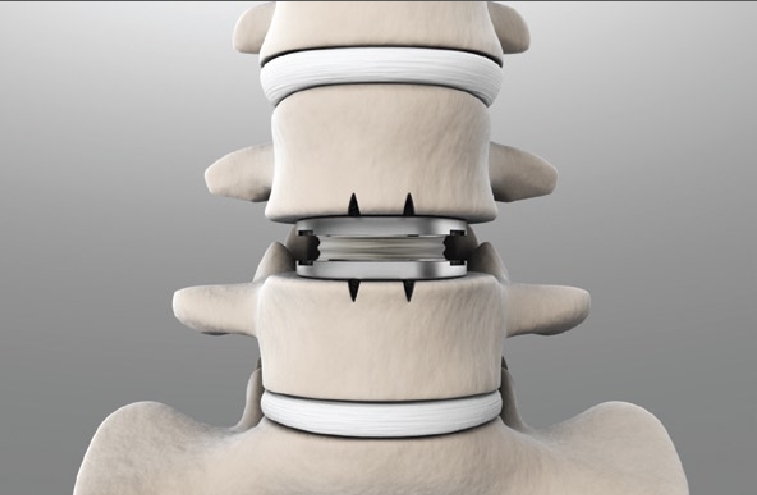
Disc replacement surgery replaces a damaged spinal disc with an artificial disc designed to maintain movement between the vertebrae. As a result, the procedure aims to relieve symptoms while preserving motion in the treated spinal segment. However, suitability depends on several factors, including your diagnosis, spinal health, age, symptoms, and imaging findings.
Disc Replacement Surgery In Nagpur
What Is Disc Replacement Surgery?
The Disc replacement surgery removes a damaged spinal disc and places an artificial disc in its position. The artificial disc helps maintain movement between the surrounding vertebrae. Consequently, this approach differs from spinal fusion, which joins two or more vertebrae together.
Furthermore, disc replacement may help selected patients with specific types of disc degeneration. Your spine specialist will first evaluate your symptoms, medical history, physical examination, and imaging reports. This careful assessment helps determine whether disc replacement or another treatment offers a better option.
When May Disc Replacement Surgery Become Necessary?
Doctors usually consider non-surgical treatment before recommending disc replacement. Treatment may include medicines, physiotherapy, activity modification, posture improvement, and other appropriate approaches. However, some patients continue to experience significant symptoms despite these measures.
Disc replacement may become an option when a damaged disc causes persistent pain or related symptoms and meets specific medical criteria. Consequently, your surgeon needs to identify the actual source of your symptoms before recommending surgery.
Conditions That May Require Disc Replacement
Disc replacement may help selected patients with certain degenerative disc conditions. These can include:
- Degenerative disc disease
- Chronic disc-related neck pain
- Selected cervical disc problems
- Selected lumbar disc conditions
- Disc degeneration associated with persistent symptoms
- Certain cases of nerve irritation caused by disc problems
However, disc replacement does not suit every spinal condition. Your surgeon will consider the location of the damaged disc, spinal stability, bone health, nerve involvement, and other factors before suggesting this procedure.
Cervical Disc Replacement Surgery
A Cervical disc replacement treats certain damaged discs in the neck. A damaged cervical disc can cause neck pain, arm pain, numbness, tingling, or weakness when it affects nearby nerves.
During cervical disc replacement, the surgeon removes the problematic disc and places an artificial disc in the space. As a result, the artificial disc can maintain movement at the treated level. However, your surgeon must confirm that your condition matches the criteria for cervical disc replacement.
Lumbar Disc Replacement Surgery
The lower back carries significant load during standing, walking, bending, and other daily activities. Consequently, degeneration in a lumbar disc can cause persistent lower back pain in some patients.
Lumbar disc replacement aims to remove a damaged disc and replace it with an artificial disc. However, surgeons recommend this procedure only for carefully selected patients. A detailed examination and appropriate imaging can help determine whether lumbar disc replacement suits your condition.
Disc Replacement Surgery In Nagpur
Symptoms of a Damaged Spinal Disc
A damaged or degenerated disc can produce different symptoms depending on its location and effect on nearby nerves. Therefore, persistent symptoms deserve proper evaluation rather than self-treatment alone.
Common symptoms may include:
- Persistent neck or lower back pain
- Pain that travels into an arm or leg
- Numbness or tingling
- Muscle weakness
- Reduced mobility
- Pain during certain movements
- Difficulty performing everyday activities
Furthermore, sudden weakness, severe neurological symptoms, or bladder and bowel changes require prompt medical attention.
How Does Disc Replacement Surgery Work?
Before surgery, your spine specialist reviews your symptoms, medical history, physical examination, and imaging results. This process helps the surgeon identify the affected disc and assess the overall condition of your spine.
During the procedure, the surgeon removes the damaged disc and places an artificial disc into the space. Consequently, the implant can provide support while allowing controlled movement at the treated level. The exact surgical technique depends on the spinal region and the patient’s individual condition.
Diagnosis Before Disc Replacement Surgery
Accurate diagnosis plays an important role in successful spine treatment. Your doctor may recommend imaging such as MRI, X-ray, or CT scans depending on your symptoms and clinical findings.
Furthermore, your specialist may assess muscle strength, reflexes, sensation, flexibility, and movement. These findings help connect your symptoms with the spinal problem. Imaging alone does not determine the need for disc replacement, so your doctor considers the complete clinical picture.
Disc Replacement Surgery In Nagpur
Benefits of Disc Replacement Surgery
For carefully selected patients, disc replacement can offer potential advantages over certain other surgical approaches. However, the expected outcome depends on the patient’s condition and several individual factors.
Potential benefits may include:
- Removal of a painful damaged disc
- Preservation of motion at the treated spinal level
- Relief from selected disc-related pain
- Improvement in mobility
- Support for a return to everyday activities
- Reduced stress on adjacent spinal segments in some cases
Your surgeon can explain the realistic benefits and limitations after reviewing your individual condition.
Disc Replacement vs. Spinal Fusion
An Disc replacement and spinal fusion use different approaches to treat certain spinal problems. Disc replacement places an artificial disc between the vertebrae and aims to preserve movement at the treated level.
Spinal fusion joins adjacent vertebrae to create a stable spinal segment. Consequently, the two procedures have different goals and suitability criteria. Your surgeon can compare both options based on your diagnosis, spinal anatomy, lifestyle, and long-term treatment needs.
Book a Consultation for Disc Replacement Surgery In Nagpur
Disc Replacement Surgery In Nagpur
If persistent neck or back pain affects your quality of life, consider consulting a qualified spine specialist. A detailed evaluation can identify the source of your symptoms and help determine whether conservative treatment, disc replacement, or another procedure may suit you.
If you are searching for Disc Replacement Surgery In Nagpur, schedule a consultation with an experienced spine specialist. Discuss your symptoms, diagnostic reports, treatment options, expected recovery, and potential alternatives before proceeding with surgery.
Book An Appointment
Frequently Asked Questions
Connect with Dr. Nikhil Kakani Online – Stay Informed About Brain & Spine Health