Dental Crowns and Bridges in Nagpur at Kakani’s Brain Spine and Dental Super Speciality Clinic
Dental Crowns and Bridges in Nagpur are essential restorative solutions for patients dealing with broken, weakened, or missing teeth. At Kakani’s Brain Spine and Dental Super Speciality Clinic, treatment planning focuses on rebuilding both strength and appearance while maintaining natural bite balance. When a tooth becomes structurally compromised due to decay, fracture, or root canal therapy, it may not withstand daily chewing pressure. Therefore, placing a crown or bridge restores durability and prevents further complications.
Under the supervision of Dr. Kakani, every case is carefully evaluated to determine the most suitable restoration method. Early replacement of missing teeth is important because surrounding teeth gradually shift into empty spaces. Consequently, untreated gaps may lead to uneven chewing forces, jaw discomfort, and long-term alignment issues.
Understanding Dental Crowns
A dental crown is a custom-designed cap that completely covers a damaged tooth to restore its original shape, strength, and function. It acts as a protective shield, especially when the remaining tooth structure is weak or brittle. Therefore, crowns are often recommended after extensive decay removal or root canal procedures.
Additionally, crowns improve cosmetic appearance by correcting discoloration, irregular contours, or worn surfaces. Once placed, they blend with adjacent teeth and restore chewing efficiency. With proper care and regular dental visits, crowns can function reliably for many years without complications.
Understanding Dental Bridges
When Are Dental Crowns and Bridges Recommended?
Dental Crowns and Bridges in Nagpur are recommended when teeth are severely fractured, weakened, or absent. Trauma, advanced decay, or repeated dental procedures can reduce tooth strength significantly. In such cases, simple fillings are insufficient to restore stability.
Similarly, losing a tooth affects more than appearance. It alters chewing patterns and increases pressure on surrounding teeth. Therefore, early restoration with crowns or bridges prevents progressive damage and supports long-term oral health.
Materials Used for Crowns and Bridges
Modern crowns and bridges are fabricated using materials such as ceramic, porcelain-fused-to-metal, and zirconia. Ceramic restorations closely resemble natural enamel, making them ideal for front teeth. Therefore, they are often chosen when aesthetics are a primary concern.
On the other hand, zirconia and metal-supported options offer enhanced durability for back teeth exposed to heavy chewing forces. Material selection depends on tooth position, bite intensity, and individual preferences. Proper evaluation ensures both longevity and natural appearance.
Procedure for Dental Crowns
The crown procedure begins with careful reshaping of the affected tooth to create adequate space for the restoration. The dentist removes damaged areas while preserving as much healthy structure as possible. An impression or digital scan is then taken to design a precisely fitting crown.
A temporary crown may be placed while the permanent one is fabricated. Once ready, the final crown is securely cemented, restoring strength and function immediately. The process ensures comfort, structural stability, and natural alignment.
Procedure for Dental Bridges
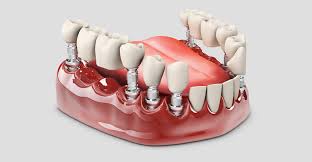
Bridge placement requires preparation of the supporting teeth adjacent to the missing space. These anchor teeth are shaped to accommodate crowns that will hold the artificial tooth in position. Accurate impressions are then taken for precise fabrication.
Once the customized bridge is ready, it is carefully fitted and permanently cemented. This fixed design restores chewing balance and prevents unwanted tooth movement. Patients typically adapt quickly to the restored function.
Benefits of Dental Crowns and Bridges
Longevity and Maintenance
Why Choose Dr. Kakani for Dental Crowns and Bridges in Nagpur?
If you are experiencing persistent headaches, seizures, or unexplained neurological symptoms, timely evaluation becomes important. You can book an appointment with Dr. Kakani at Kakani’s Brain Spine and Dental Super Speciality Clinic for a detailed neurological assessment and personalized guidance regarding brain health concerns.
Frequently Asked Questions
1. How long do dental crowns and bridges typically last?
With proper hygiene and routine dental visits, crowns and bridges can last 10–15 years or even longer depending on usage and care.
2. Is the procedure painful?
Local anesthesia ensures comfort during treatment, and mild sensitivity afterward usually resolves within a few days.
3. Can crowns look natural?
Yes, modern materials are designed to closely match the color and translucency of natural teeth.
4. What happens if I do not replace a missing tooth?
Leaving a gap may cause shifting, bite imbalance, and increased stress on adjacent teeth over time.
5. How should I care for my crown or bridge?
Brush twice daily, floss carefully around margins, and attend regular dental checkups for long-term maintenance.