Cysts and Tumors of the Jaw in Nagpur at Kakani’s Brain Spine and Dental Super Speciality Clinic
Cysts and Tumors of the Jaw in Nagpur require careful diagnosis and structured treatment planning to prevent complications affecting facial structure and oral function. At Kakani’s Brain Spine and Dental Super Speciality Clinic, evaluation of jaw swellings and abnormal growths is performed with detailed clinical examination and imaging support. These conditions may develop silently and gradually increase in size; therefore, early detection plays a vital role in preventing bone destruction and tooth displacement.
Under the supervision of Dr. Kakani, management of Cysts and Tumors of the Jaw focuses on accurate identification, safe surgical removal when required, and long-term monitoring. While some jaw cysts are benign and slow-growing, others may require prompt intervention. Consequently, individualized care ensures that treatment remains both effective and minimally invasive.
Understanding Cysts of the Jaw
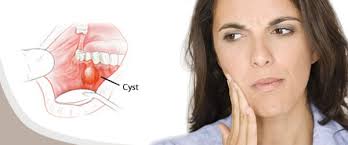
Jaw cysts are fluid-filled sacs that develop within the jawbone or surrounding soft tissues. They often arise from infected teeth, impacted teeth, or developmental disturbances. Although many cysts grow slowly and remain painless initially, they can expand over time and weaken surrounding bone structure.
If left untreated, a cyst may cause facial swelling, tooth mobility, or infection. Therefore, regular dental checkups and radiographic assessments help identify these lesions before they progress significantly.
Understanding Tumors of the Jaw
Tumors of the jaw can be benign or, in rare cases, malignant. Benign tumors typically grow slowly but may still cause bone expansion, asymmetry, and displacement of teeth. Therefore, early identification is essential to prevent structural damage.
Malignant tumors, although uncommon, require urgent attention and coordinated care. Accurate diagnosis through biopsy and imaging ensures appropriate management and prevents unnecessary delay in treatment.
Common Causes of Jaw Cysts and Tumors
Cysts and Tumors of the Jaw in Nagpur may develop due to chronic dental infections, impacted wisdom teeth, or abnormal tissue growth during development. Trauma and untreated cavities can also contribute to cyst formation.
Additionally, certain genetic factors may increase susceptibility to specific jaw lesions. Comprehensive evaluation helps identify the underlying cause and determine the most appropriate treatment pathway.
Symptoms That Should Not Be Ignored
Many cysts and tumors begin without noticeable pain. However, gradual swelling, jaw discomfort, loosening of teeth, or numbness in the facial area may indicate an underlying problem. Therefore, any persistent swelling should be examined promptly.
In advanced cases, difficulty in chewing or visible facial asymmetry may occur. Early consultation significantly reduces the risk of extensive surgical intervention.
Diagnostic Approach
Diagnosis of Cysts and Tumors of the Jaw in Nagpur involves clinical examination combined with radiographic imaging such as panoramic X-rays or advanced scans. These tools help determine the size, location, and impact on surrounding structures.
In certain cases, a biopsy may be required to confirm the exact nature of the lesion. This step ensures accurate differentiation between benign cysts, tumors, and other jaw conditions.
Treatment Options for Jaw Cysts
Treatment of jaw cysts typically involves surgical removal or drainage depending on size and type. Smaller cysts may be managed through conservative procedures, while larger ones require more comprehensive surgical intervention.
After removal, the affected area is monitored to ensure proper bone healing. Early treatment prevents recurrence and protects nearby teeth from damage.
Treatment Options for Jaw Tumors
Management of jaw tumors depends on whether they are benign or malignant. Benign tumors are usually surgically excised while preserving as much healthy bone as possible. Therefore, careful surgical planning is essential.
In rare malignant cases, a multidisciplinary approach may be required. Early detection significantly improves treatment outcomes and reduces long-term complications.
Recovery and Post-Surgical Care
Recovery after cyst or tumor removal varies depending on the extent of the lesion. Mild swelling and discomfort may occur temporarily but usually subside with prescribed medication.
Maintaining oral hygiene and attending follow-up appointments are crucial for monitoring healing. Structured aftercare ensures stable recovery and reduces recurrence risk.
Risks of Delaying Treatment
Delaying treatment of Cysts and Tumors of the Jaw in Nagpur can result in progressive bone destruction and tooth displacement. In severe cases, structural weakness may increase fracture risk.
Moreover, untreated lesions may grow silently until they require more extensive surgery. Therefore, timely intervention protects both oral function and facial balance.
Why Choose Dr. Kakani for Cysts and Tumors of the Jaw in Nagpur?
Dr. Kakani carefully evaluates each case of Cysts and Tumors of the Jaw in Nagpur using detailed imaging and clinical assessment. Treatment planning focuses on preserving healthy tissue while eliminating the lesion effectively.
At Kakani’s Brain Spine and Dental Super Speciality Clinic, emphasis is placed on precision, patient safety, and long-term monitoring. Clear communication about procedure steps and recovery expectations supports patient confidence.
Frequently Asked Questions
1. Are jaw cysts dangerous?
Most jaw cysts are benign, but untreated growth can cause bone damage.
2. Do jaw tumors always require surgery?
Many benign tumors require surgical removal, while treatment varies depending on type.
3. Is the procedure painful?
Surgical procedures are performed under anesthesia, ensuring comfort.
4. Can cysts return after removal?
Recurrence is possible in some cases, which is why follow-up monitoring is important.
5. How long does recovery take?
Recovery time depends on lesion size and surgical extent but generally ranges from a few days to a few weeks.