Congenital Spine Malformation in Nagpur at Kakani's Brain Spine and Dental Super Speciality Clinic
Congenital spine malformation refers to structural abnormalities in the spine present at birth. These malformations can affect the vertebrae, spinal cord, or surrounding tissues, potentially causing curvature, instability, or neurological symptoms. Early recognition of congenital spine malformations is essential to prevent complications and support long-term spinal health.
Meanwhile, causes may include genetic factors, maternal nutritional deficiencies, or in-utero exposure to certain medications or toxins. Therefore, parents and caregivers should monitor children for signs such as abnormal posture, back curvature, or delayed motor development and explore related neurological treatments when necessary.
Common Symptoms of Congenital Spine Malformation at Kakani's Brain Spine and Dental Super Speciality Clinic
Children or adults with congenital spine malformations may experience visible spinal deformities, such as scoliosis, kyphosis, or lordosis. Pain, stiffness, and difficulty in bending or walking may also be present. Meanwhile, nerve compression can lead to weakness, numbness, or tingling in the limbs.
Additionally, bladder or bowel control issues may develop if the spinal cord is involved. Early evaluation by specialists like Dr. Kakani ensures timely diagnosis, appropriate intervention, and ongoing monitoring to prevent progression of symptoms or neurological impairment.
Causes and Risk Factors of Congenital Spine Malformation
The development of congenital spine malformations is influenced by genetic mutations, family history, and chromosomal abnormalities. Meanwhile, maternal nutritional deficiencies, especially low folic acid, or exposure to harmful substances during pregnancy, can increase the risk.
Furthermore, certain congenital syndromes, including spina bifida and Klippel-Feil syndrome, often involve vertebral anomalies. Consequently, awareness of risk factors and early pediatric evaluation are crucial for detection and planning preventive or corrective interventions.
Types of Congenital Spine Malformations Managed by Dr. Kakani
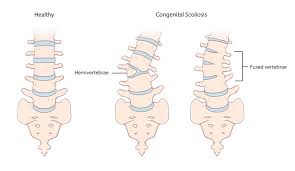
Congenital spine malformations include hemivertebrae, block vertebrae, scoliosis, kyphosis, and spina bifida. Hemivertebrae involve partial vertebral formation, while block vertebrae occur when two or more vertebrae fuse. Meanwhile, scoliosis and kyphosis describe abnormal spinal curvatures, and spina bifida affects spinal cord closure.
Identifying the type of malformation is critical for treatment planning. Patients and caregivers can visit our treatment page to learn about surgical correction, bracing, or supportive care tailored to the specific condition.
Diagnosing Congenital Spine Malformation at Kakani's Brain Spine and Dental Super Speciality Clinic
Diagnosis involves a combination of physical examination, imaging, and sometimes genetic testing. X-rays, MRI, or CT scans help visualize vertebral structure, spinal cord integrity, and any associated deformities. Meanwhile, neurological assessments determine if nerve function is affected.
Early detection allows doctors to design individualized management plans. Consequently, accurate diagnosis ensures interventions are timely, reduces the risk of spinal deformity progression, and supports optimal functional development.
Impact of Congenital Spine Malformation on Daily Life
Preventive Measures and Lifestyle Adjustments
Complications Without Timely Treatment
Why Choose Kakani's Brain Spine and Dental Super Speciality Clinic for Congenital Spine Malformation
Long-Term Monitoring and Rehabilitation
Long-term follow-up is essential for congenital spine malformations to monitor spinal growth, deformity progression, and neurological function. Periodic imaging, physiotherapy, and exercise programs are recommended to maintain flexibility, strength, and spinal stability. Meanwhile, lifestyle guidance ensures safe activity and posture.
Consequently, structured rehabilitation helps preserve mobility, minimize complications, and optimize quality of life. Individuals seeking continuous support can learn more about our neurological services for comprehensive long-term care.
Importance of Awareness for Congenital Spine Malformation
Awareness of congenital spine malformations is vital for early detection and intervention. Recognizing abnormal posture, spinal curvature, or neurological symptoms allows prompt evaluation. Therefore, timely care reduces deformity progression and enhances functional outcomes.
Furthermore, educating family and caregivers ensures proper monitoring and immediate response during symptom changes. Consequently, awareness combined with preventive strategies strengthens long-term spinal health and patient wellbeing.
If you are experiencing persistent headaches, seizures, or unexplained neurological symptoms, timely evaluation becomes important. You can book an appointment with Dr. Kakani at Kakani’s Brain Spine and Dental Super Speciality Clinic for a detailed neurological assessment and personalized guidance regarding brain health concerns.
Frequently Asked Questions
1. What is congenital spine malformation?
Congenital spine malformation refers to structural abnormalities in the spine present at birth, which can affect vertebrae, spinal cord, or surrounding tissues.
2. What are common symptoms?
Symptoms include abnormal spinal curvature, back or neck pain, stiffness, limb weakness, numbness, and in severe cases, bladder or bowel issues.
3. How is congenital spine malformation diagnosed?
Diagnosis involves physical examination, imaging such as X-rays, MRI, or CT scans, and sometimes genetic testing to assess the condition and its impact.
4. Can congenital spine malformations be treated?
Yes, treatment options include surgical correction, bracing, physiotherapy, and rehabilitation, depending on the severity, age, and neurological involvement.
5. When should I consult a doctor?
Seek evaluation if abnormal spinal curvature, persistent pain, weakness, or neurological symptoms are observed in children or adults to prevent progression and complications.