Brain Tumor Surgeon In Nagpur – Advanced, Precision-Focused Neurosurgical Expertise
When patients search for a Brain Tumor Surgeon in Nagpur, they are not simply seeking a procedure; rather, they are seeking clarity, accuracy, and dependable neurological expertise. Because brain tumors affect vital cognitive and motor functions, early evaluation and structured surgical planning become critical. Therefore, choosing an experienced neurosurgeon significantly influences both safety and long-term recovery.
Since neurological deterioration can occur gradually yet unpredictably, timely consultation remains essential. Delayed intervention, on the other hand, can increase surgical complexity and recovery time. Consequently, early specialist involvement improves prognosis significantly.
Understanding Brain Tumors: Types, Behavior, and Risk
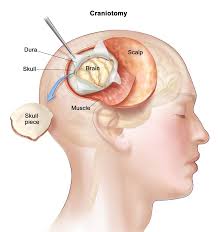
A brain tumor develops when abnormal cells multiply within brain tissue or adjacent structures. Although some tumors grow slowly and remain benign, others display aggressive characteristics and demand urgent attention. Because the brain controls speech, balance, memory, coordination, and voluntary movement, even small tumors can produce significant symptoms. Therefore, accurate identification becomes the foundation of effective treatment.
- Brain tumors fall into two primary classifications:
- Primary brain tumors, which originate in neural tissue
- Secondary (metastatic) tumors, which spread from other organs
Moreover, tumors differ in cellular origin, growth speed, and anatomical location. Consequently, treatment must align precisely with the tumor’s biological behavior rather than follow generalized protocols.
Why Choosing a Specialized Brain Tumor Surgeon Matters
Brain surgery demands anatomical precision and technical discipline. While general practitioners can manage preliminary symptoms, definitive care requires neurosurgical specialization. Therefore, a dedicated Brain Tumor Surgeon in Nagpur provides a significant clinical advantage.
Specialists focus on:
- Detailed neurological mapping
- Advanced radiological interpretation
- Safe tumor resection techniques
- Functional preservation strategies
- Post-operative neurological monitoring
- Coordinated oncological management
Because precision reduces complications, patients treated by specialized surgeons typically experience better functional preservation. Furthermore, structured follow-up ensures early detection of recurrence or delayed complications.
Early Warning Signs That Require Immediate Evaluation
Brain tumors often present gradually; however, subtle symptoms should never be ignored. Since early detection expands treatment options, recognizing warning signs becomes critical.
Common symptoms include:
- Persistent headaches, especially upon waking
- Recurrent nausea or unexplained vomiting
- New-onset seizures
- Blurred or double vision
- Speech disturbances or confusion
- Weakness or numbness in limbs
- Personality or behavioral changes
- Balance and coordination issues
Whenever such symptoms persist or intensify, prompt consultation with a brain tumor surgeon becomes essential. Early imaging not only confirms diagnosis but also guides surgical timing.
Diagnostic Process: Precision Before Intervention
Effective treatment begins with accurate diagnosis. Initially, the surgeon conducts a comprehensive neurological examination that evaluates reflexes, motor strength, coordination, sensory perception, and cognitive function. Subsequently, advanced imaging confirms structural abnormalities.
MRI (Magnetic Resonance Imaging)
MRI provides high-resolution visualization of tumor size, location, and surrounding involvement. Because surgical planning relies heavily on imaging clarity, MRI often serves as the primary diagnostic tool.
CT Scan (Computed Tomography)
CT scanning assists in emergency assessment and rapid identification of bleeding or swelling.
PET Scan (Positron Emission Tomography)
When malignancy is suspected, PET imaging evaluates metabolic activity and tumor aggressiveness.
Biopsy and Histopathology
In many cases, surgeons perform a biopsy to determine tumor type and grade. Pathological examination clarifies whether the tumor is benign or malignant, thereby guiding subsequent therapy decisions.
Because treatment accuracy depends on diagnostic precision, the clinic correlates imaging findings with clinical evaluation before proceeding.
Surgical Treatment: Strategy, Precision, and Safety
Once diagnosis is confirmed, the surgical team develops a tailored plan. Rather than adopting a uniform approach, the strategy depends on tumor characteristics and patient health.
Tumor Resection
Whenever feasible, surgical removal remains the cornerstone of treatment. During the procedure, the neurosurgeon carefully removes tumor tissue while preserving surrounding neural structures. Advanced neuronavigation systems enhance accuracy and reduce risk. Consequently, surgeons achieve maximal safe resection without compromising essential brain functions.
Minimally Invasive Techniques
In selected cases, minimally invasive approaches reduce tissue disruption and accelerate recovery. Therefore, patients experience shorter hospital stays and faster rehabilitation.
Adjunctive Therapies
Following surgery, additional treatment may be necessary:
- Radiation therapy to target residual cells
- Chemotherapy for malignant tumors
- Targeted therapy for specific molecular subtypes
Because comprehensive care improves long-term control, multidisciplinary collaboration ensures coordinated treatment planning.
Pre-Operative Preparation and Planning
Post-Operative Monitoring and Immediate Recovery
Rehabilitation and Long-Term Recovery
Recovery extends beyond surgical success. Consequently, the clinic emphasizes rehabilitation as an integral component of care.
- Rehabilitation may include:
Physical therapy to restore strength - Occupational therapy for daily function
- Speech therapy when language centers are involved
- Cognitive therapy for memory and focus
Regular follow-up appointments allow surgeons to evaluate healing progress and monitor recurrence. As recovery advances, patients gradually regain independence and functional confidence.
Advanced Technology Supporting Surgical Excellence
Modern neurosurgery depends on technological precision. At the clinic, advanced tools enhance both diagnostic and operative accuracy:
- High-resolution imaging systems
- Neuronavigation platforms
- Intraoperative functional monitoring
- Microsurgical instruments
Because technology complements surgical expertise, outcomes become more predictable and complications decrease.
Common Misconceptions About Brain Tumor Surgery
Patient Outcome Examples
When to Seek Immediate Consultation
How to Book a Consultation With a Brain Tumor Surgeon
Call: +91‑72761‑35101
Visit: Ramdaspeth, Nagpur, Maharashtra, India
Bring previous medical records, imaging scans, and a clear description of symptoms to facilitate evaluation and planning.
Conclusion
Choosing the right Brain Tumor Surgeon in Nagpur directly determines treatment success and neurological preservation. Because brain tumors require disciplined diagnosis, precise surgical planning, and structured follow-up, early specialist involvement remains essential.
At Dr. Kakani’s Brain, Spine and Dental Super Speciality Clinic, patients receive comprehensive care that integrates advanced diagnostics, expert surgical intervention, multidisciplinary coordination, and rehabilitation support. Consequently, treatment becomes systematic, transparent, and outcome-focused.
Timely action protects neurological function. Structured care improves recovery. Specialist expertise ensures precision.
Short FAQs – Brain Tumor Surgeon In Nagpur
1. When should I see a brain tumor surgeon?
If you experience persistent headaches, seizures, vision problems, or unexplained weakness, then you should seek immediate neurological evaluation.
2. Are all brain tumors cancerous?
No, many tumors are benign; however, even benign tumors may require treatment if they compress vital brain structures.
3. Is surgery always required for a brain tumor?
Not always; instead, treatment depends on tumor type, size, and location.
4. How long does recovery take after surgery?
Recovery varies; while some patients improve within weeks, others may need structured rehabilitation for several months.
5. Can a brain tumor return after surgery?
Yes, recurrence can occur, especially in malignant cases; therefore, regular follow-up remains essential.
6. What tests confirm a brain tumor?
Doctors typically use MRI or CT scans first; afterward, a biopsy may confirm tumor type and grade.