
Brain Tumor in Nagpur at Kakani's Brain Spine and Dental Super Speciality Clinic
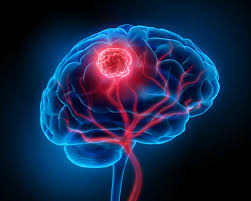
A brain tumor develops when abnormal cells grow within brain tissue or surrounding structures. Initially, these cells multiply uncontrollably, therefore forming a mass that may press against delicate neural pathways. Consequently, normal brain functions such as movement, memory, and speech may gradually become affected.
However, not every tumor behaves the same way. Some grow slowly and remain localized, while others expand faster and interfere with nearby brain regions. Therefore, early awareness of neurological changes becomes extremely important. Patients who notice persistent symptoms should explore related neurological treatments and seek proper evaluation.
Common Symptoms of Brain Tumor Patients Should Notice
Brain tumor symptoms often begin subtly, therefore many people initially ignore them. Persistent headaches, sudden vision disturbances, or difficulty maintaining balance may gradually appear. Moreover, individuals might notice confusion, personality changes, or difficulty concentrating during daily activities.
Meanwhile, some patients experience seizures without any prior neurological history. Consequently, such events require immediate medical attention. Additionally, long-lasting nausea, unusual fatigue, or weakness on one side of the body may indicate pressure within the brain, therefore making neurological assessment extremely important.
Causes and Risk Factors Linked to Brain Tumor
Although the exact cause of many brain tumors remains uncertain, several contributing factors have been identified. Genetic mutations sometimes trigger abnormal cell growth, therefore leading to tumor formation. Additionally, inherited conditions and family medical history may increase vulnerability in certain individuals.
Environmental exposure can also influence risk. For example, prolonged exposure to high levels of radiation may damage cellular DNA. Consequently, abnormal cells may begin multiplying in brain tissue. However, lifestyle awareness and routine neurological observation may help detect potential warning signs earlier.
Types of Brain Tumor That Affect the Nervous System
Brain Tumor Diagnosis and Medical Evaluation
Diagnosis of a brain tumor usually begins with a detailed neurological examination. Doctors evaluate memory, coordination, reflexes, and sensory responses. Furthermore, patient history helps identify how long symptoms have been present and whether they are gradually worsening.
Imaging tests such as MRI or CT scans are commonly recommended. These scans allow specialists to observe abnormal tissue structures within the brain. Consequently, accurate imaging helps determine tumor size, location, and potential impact on surrounding nerves or brain functions.
Brain Tumor and Its Impact on Daily Life
Living with a brain tumor can influence many aspects of daily routines. For instance, concentration levels may fluctuate, therefore affecting work productivity or learning ability. Additionally, physical symptoms such as dizziness or headaches may interfere with normal household activities.
Meanwhile, emotional wellbeing may also be affected. Patients sometimes experience anxiety, mood swings, or frustration due to neurological changes. Consequently, supportive care, lifestyle adjustments, and medical guidance become essential for maintaining mental balance and overall quality of life.
Lifestyle Factors That Influence Brain Health
Certain lifestyle habits may influence overall neurological wellbeing. For example, irregular sleep patterns, chronic stress, and poor dietary habits may weaken the body’s natural protective systems. Therefore, maintaining consistent sleep routines and balanced nutrition supports long-term brain health.
Additionally, regular physical activity improves blood circulation to brain tissues. Consequently, healthy oxygen supply helps maintain cellular function. Individuals who want to understand preventive neurological care can visit our treatment page and explore guidance about maintaining optimal brain health.
Preventive Awareness and Early Neurological Attention
Although many brain tumors cannot be entirely prevented, early awareness plays a major role in managing neurological health. Persistent symptoms such as unexplained headaches, vision changes, or seizures should never be ignored. Therefore, timely neurological evaluation becomes essential.
Moreover, regular health monitoring helps identify subtle neurological changes before complications develop. Consequently, individuals who notice unusual cognitive or physical symptoms should book your consultation today and discuss their concerns with a qualified neurological specialist.
Why Choose Kakani's Brain Spine and Dental Super Speciality Clinic
At Kakani’s Brain Spine and Dental Super Speciality Clinic, patient evaluation begins with careful symptom assessment and detailed medical history analysis. Doctors observe neurological responses, lifestyle patterns, and existing health conditions. Therefore, every evaluation focuses on understanding how symptoms affect daily functioning.
Additionally, patient education remains an important part of neurological care. Individuals receive guidance about recognizing warning signs and maintaining long-term brain health. Consequently, preventive awareness, informed decision-making, and regular follow-ups support responsible neurological health management.
Long-Term Monitoring After Brain Tumor Detection
Long-term monitoring becomes essential once a brain tumor is diagnosed or treated. Doctors usually recommend periodic imaging scans and neurological assessments. Therefore, changes in tumor size or neurological function can be detected early and managed appropriately.
Meanwhile, patients are encouraged to track symptoms such as headaches, coordination changes, or memory difficulties. Consequently, consistent communication with healthcare providers ensures that emerging concerns are addressed quickly. Patients may also explore related neurological treatments for continued monitoring support.
Importance of Patient Education in Brain Tumor Awareness
Patient education helps individuals recognize neurological symptoms earlier. When people understand how brain tumors affect cognitive and physical functions, they become more attentive to subtle health changes. Therefore, awareness significantly improves the chances of early medical consultation.
Additionally, education encourages healthier lifestyle decisions that support brain health. Consequently, individuals adopt preventive habits such as stress management, proper sleep routines, and balanced nutrition. Such awareness also helps families provide emotional and practical support during neurological health challenges.
If you are experiencing persistent headaches, seizures, or unexplained neurological symptoms, timely evaluation becomes important. You can book an appointment with Dr. Kakani at Kakani’s Brain Spine and Dental Super Speciality Clinic for a detailed neurological assessment and personalized guidance regarding brain health concerns.
Frequently Asked Questions
1. What is a brain tumor?
A brain tumor is an abnormal growth of cells inside the brain or surrounding tissues. These cells multiply uncontrollably and may press against brain structures, therefore affecting functions such as memory, movement, vision, or coordination.
2. What are the early warning signs of a brain tumor?
Early signs may include persistent headaches, unexplained nausea, blurred vision, seizures, or difficulty concentrating. However, symptoms vary depending on tumor location, therefore neurological evaluation becomes important when such changes persist.
3. Can brain tumors affect behavior or personality?
Yes, brain tumors sometimes influence mood, thinking ability, and emotional stability. Consequently, patients may experience confusion, irritability, or personality changes if the tumor affects brain regions responsible for cognitive or emotional control.
4. How is a brain tumor usually detected?
Doctors typically detect brain tumors through neurological examinations and imaging tests such as MRI or CT scans. These diagnostic tools allow specialists to observe abnormal brain tissue and evaluate its size, location, and possible impact.
5. When should someone seek medical attention for brain tumor symptoms?
Medical attention should be sought if symptoms such as persistent headaches, seizures, sudden vision problems, or balance issues continue for several days. Therefore, early neurological assessment helps identify potential brain health concerns promptly.