Brain Stroke Paralysis in Nagpur at Kakani's Brain Spine and Dental Super Speciality Clinic
Common Symptoms of Stroke and Paralysis
Causes and Risk Factors
Types of Stroke
Diagnosis of Stroke
Impact of Stroke and Paralysis on Daily Life
Stroke and paralysis significantly disrupt daily routines. Weakness or numbness in limbs may impair walking, dressing, or self-care. Meanwhile, speech difficulties and cognitive deficits can affect communication and work performance.
Emotional wellbeing is often impacted as well. Anxiety, depression, or frustration are common following stroke. Therefore, rehabilitation and lifestyle adjustments play a vital role in restoring independence and quality of life.
Preventive Measures and Lifestyle Modifications
Potential Complications Without Treatment
Untreated strokes can cause permanent paralysis, speech impairment, cognitive deficits, or even death. Meanwhile, delayed treatment increases the risk of recurrent strokes. Consequently, urgent evaluation and intervention are critical.
Patients noticing sudden weakness, slurred speech, facial drooping, or confusion should book your consultation today to ensure timely management and reduce long-term complications.
Why Choose Kakani's Brain Spine and Dental Super Speciality Clinic
Long-Term Monitoring and Rehabilitation
Recovery from stroke often requires continuous monitoring and rehabilitation. Doctors recommend follow-up imaging, neurological assessments, and therapy sessions. Therefore, any changes in motor skills, cognition, or speech can be addressed promptly.
Meanwhile, rehabilitation may include physical therapy, occupational exercises, and cognitive training. Consequently, patients regain mobility, communication skills, and independence. Those seeking structured care can learn more about our neurological services for comprehensive support.
Importance of Awareness for Stroke and Paralysis
Awareness of stroke symptoms is vital for early intervention. Recognizing facial drooping, limb weakness, speech difficulty, or sudden vision changes enables prompt medical care. Therefore, early detection significantly reduces permanent neurological damage.
Furthermore, educating families and caregivers ensures immediate support and monitoring. Consequently, combined awareness and preventive measures strengthen recovery outcomes and long-term neurological wellbeing.
If you are experiencing persistent headaches, seizures, or unexplained neurological symptoms, timely evaluation becomes important. You can book an appointment with Dr. Kakani at Kakani’s Brain Spine and Dental Super Speciality Clinic for a detailed neurological assessment and personalized guidance regarding brain health concerns.
Frequently Asked Questions
1. What is a brain stroke?
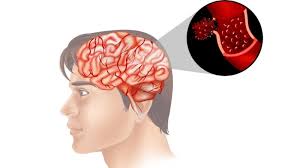
A brain stroke occurs when blood flow to the brain is blocked or disrupted, causing brain cells to die. It may result in paralysis, speech difficulties, or cognitive impairment if untreated.
2. What are the early symptoms of stroke?
Early symptoms include facial drooping, arm weakness, slurred speech, vision changes, sudden dizziness, or severe headache. Prompt evaluation prevents permanent brain damage and improves recovery outcomes.
3. How is stroke diagnosed?
Doctors diagnose stroke through neurological examinations, imaging such as MRI or CT scans, and blood tests to identify risk factors and determine the affected brain region.
4. Can stroke cause permanent paralysis?
Yes, untreated or severe strokes can lead to permanent paralysis, cognitive deficits, speech difficulties, or motor impairment. Early medical intervention improves outcomes and reduces lasting effects.
5. When should I see a doctor for stroke symptoms?
Seek immediate medical care if you notice sudden weakness, facial drooping, speech difficulty, or vision changes. Early evaluation ensures timely treatment and reduces the risk of long-term neurological damage.