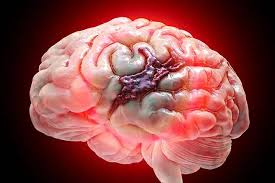
Brain Hemorrhage in Nagpur at Kakani's Brain Spine and Dental Super Speciality Clinic
Brain hemorrhage occurs when a blood vessel in the brain ruptures, causing bleeding within or around brain tissue. Consequently, the pressure from bleeding can damage neurons and disrupt normal brain function.
Meanwhile, hemorrhages may result from high blood pressure, trauma, aneurysms, or blood disorders. Therefore, recognizing early symptoms is critical for preventing long-term neurological complications. Patients experiencing sudden headaches or neurological changes should explore related neurological treatments promptly.
Common Symptoms of Brain Hemorrhage
Symptoms often appear suddenly and may worsen rapidly. Severe headache, nausea, vomiting, weakness, and difficulty speaking are common indicators. Meanwhile, vision problems, dizziness, or confusion may also occur as bleeding progresses.
Additionally, sudden numbness or loss of coordination may develop. Consequently, early recognition and urgent medical intervention are essential to minimize permanent brain damage and improve recovery outcomes.
Causes and Risk Factors
Brain hemorrhage is frequently caused by uncontrolled high blood pressure, trauma, aneurysms, or blood clotting disorders. Meanwhile, lifestyle factors such as smoking, excessive alcohol intake, or sedentary behavior may increase risk.
Furthermore, age, genetic predisposition, and prior cerebrovascular conditions contribute to susceptibility. Therefore, patient awareness and proactive monitoring are essential to reduce risk and ensure timely intervention when symptoms arise.
Types of Brain Hemorrhage
Brain hemorrhages are classified based on location: intracerebral, subarachnoid, subdural, or epidural. Intracerebral hemorrhage occurs within brain tissue, while subarachnoid bleeding happens between the brain and protective membranes. Meanwhile, subdural and epidural hemorrhages often result from head trauma.
Understanding the type of hemorrhage is essential for determining treatment. Patients can visit our treatment page to learn about management strategies and surgical options if needed.
Diagnosing Brain Hemorrhage
Doctors begin with neurological evaluation, assessing reflexes, motor coordination, and cognitive function. Meanwhile, imaging tests such as CT scans, MRI, or angiography are crucial for detecting bleeding location and severity.
Laboratory tests may evaluate blood clotting, platelet counts, or underlying risk factors. Consequently, early diagnosis allows rapid intervention to control bleeding and prevent lasting neurological damage.
Impact of Brain Hemorrhage on Daily Life
Brain hemorrhages can severely affect daily activities. Weakness, numbness, speech difficulties, or vision disturbances may disrupt work or personal life. Meanwhile, headaches, dizziness, or fatigue may limit mobility and independence.
Moreover, emotional wellbeing can be impacted. Anxiety, irritability, and depression often accompany recovery. Therefore, early evaluation, treatment, and rehabilitation are essential to restore normal daily functioning and improve quality of life.
Preventive Measures and Lifestyle Modifications
Managing high blood pressure, maintaining cardiovascular health, and avoiding smoking or excessive alcohol can reduce hemorrhage risk. Meanwhile, prompt treatment of aneurysms, blood disorders, or head injuries is critical.
Additionally, patient education about recognizing early warning signs enhances preventive care. Consequently, individuals and families can respond promptly, reducing the likelihood of severe brain injury or long-term neurological impairment.
Complications Without Timely Intervention
Untreated brain hemorrhage can cause permanent paralysis, cognitive deficits, vision loss, or death. Meanwhile, increased intracranial pressure may result in life-threatening emergencies. Consequently, urgent medical evaluation is essential for anyone experiencing neurological symptoms.
Patients noticing sudden weakness, severe headache, dizziness, or confusion should book your consultation today to ensure timely care.
Why Choose Kakani's Brain Spine and Dental Super Speciality Clinic
At Kakani’s Brain Spine and Dental Super Speciality Clinic, Dr. Kakani provides comprehensive evaluation and management for brain hemorrhage. Doctors assess symptoms, imaging results, and patient history to design individualized treatment plans.
Additionally, patient education emphasizes early recognition, preventive strategies, and lifestyle guidance. Consequently, informed patients actively participate in care, supporting improved recovery outcomes and long-term neurological health.
Long-Term Monitoring and Rehabilitation
After a brain hemorrhage, ongoing follow-up is essential to monitor neurological function. Doctors recommend periodic imaging, cognitive assessments, and therapy sessions. Therefore, any changes in motor skills, speech, or cognitive function can be addressed promptly.
Meanwhile, rehabilitation may include physical therapy, occupational exercises, and cognitive rehabilitation. Consequently, patients regain strength, coordination, and independence. Those seeking structured care can learn more about our neurological services for continuous support.
Importance of Awareness for Brain Hemorrhage
Awareness of hemorrhage symptoms is critical for early intervention. Recognizing sudden headache, weakness, dizziness, or speech difficulties enables prompt evaluation. Therefore, early treatment significantly reduces the risk of permanent brain damage.
Furthermore, educating families and caregivers ensures immediate support and monitoring. Consequently, awareness combined with preventive measures strengthens recovery outcomes and overall neurological wellbeing.
Frequently Asked Questions
1. What is a brain hemorrhage?
A brain hemorrhage occurs when a blood vessel in the brain ruptures, causing bleeding that increases pressure and damages brain tissue. Immediate treatment is essential to prevent severe neurological complications.
2. What are the common symptoms of brain hemorrhage?
Sudden severe headache, nausea, vomiting, weakness, numbness, speech difficulty, dizziness, or vision changes are typical signs. Early evaluation helps prevent long-term brain damage.
3. How is brain hemorrhage diagnosed?
Diagnosis involves neurological examinations and imaging tests such as CT scans, MRI, or angiography. Blood tests may evaluate clotting factors or underlying risk conditions.
4. Can brain hemorrhage cause permanent paralysis?
Yes, untreated or severe brain hemorrhage can lead to paralysis, cognitive deficits, vision impairment, or death. Prompt medical care improves outcomes and reduces lasting effects.
5. When should I consult a doctor for brain hemorrhage symptoms?
Seek immediate medical attention if sudden headache, weakness, confusion, or vision changes occur. Early diagnosis and intervention are critical to prevent severe neurological damage.