
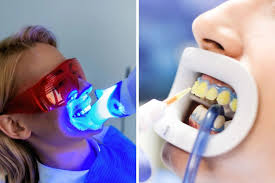
Bleaching in Nagpur at Kakani's Brain Spine and Dental Super Speciality Clinic
Bleaching in Nagpur has become a common choice for individuals who notice dull, yellow, or uneven tooth color. Often, daily tea, coffee, or tobacco use gradually changes enamel shade. Therefore, many patients seek safe whitening options that improve brightness without harming tooth structure.
However, tooth discoloration develops for different reasons. Sometimes aging thins enamel, while certain medications alter internal tooth color. Consequently, professional evaluation helps determine whether surface stains or deeper pigment changes require a customized bleaching approach.
Common Causes That Lead to Tooth Discoloration
Tooth stains usually develop slowly, although patients may suddenly notice color changes in photographs. Moreover, strong-colored beverages, smoking, and poor oral hygiene frequently contribute to surface staining over time.
Meanwhile, internal discoloration may result from trauma, previous dental procedures, or long-term medication use. Therefore, identifying the root cause becomes essential before starting bleaching treatment. This step ensures the whitening process matches the type and depth of discoloration.
Signs You May Need Bleaching in Nagpur
Many people consider Bleaching in Nagpur when their smile appears darker despite regular brushing. Additionally, uneven shades between teeth can affect confidence during social interactions and professional settings.
However, not every discoloration responds equally to whitening products. Therefore, if you notice brown patches, greyish tones, or long-standing stains, a dental evaluation becomes important. Early assessment prevents unnecessary product use that may irritate gums.
How Professional Bleaching in Nagpur Works
Professional Bleaching in Nagpur involves controlled whitening agents that gently break down stain molecules. Consequently, the enamel appears brighter without aggressive abrasion or surface damage.
Moreover, dentists carefully protect gums before applying whitening solutions. This step reduces sensitivity and irritation. Meanwhile, the process typically requires one or more sessions depending on the degree of discoloration and the patient’s oral health condition.
Lifestyle Habits That Influence Bleaching Results
Although bleaching improves tooth shade, lifestyle choices significantly affect long-term results. Therefore, reducing tea, coffee, and tobacco intake supports prolonged brightness after treatment.
Similarly, maintaining consistent brushing and flossing habits prevents rapid stain accumulation. Furthermore, routine dental checkups help monitor enamel health. Consequently, patients who adopt preventive habits usually maintain whitening results for a longer duration.
Safety Considerations Before Bleaching in Nagpur
Why Choose Kakani's Brain Spine and Dental Super Speciality Clinic for Bleaching in Nagpur
At Kakani’s Brain Spine and Dental Super Speciality Clinic, patient evaluation begins with a detailed oral examination. Therefore, dentists assess stain type, enamel condition, and gum health before suggesting bleaching.
Moreover, symptom assessment includes identifying sensitivity, previous dental work, and lifestyle habits. Consequently, patients receive clear education about realistic outcomes and preventive care. This approach supports long-term oral health rather than focusing only on cosmetic change.
Bleaching in Nagpur and Managing Tooth Sensitivity
Expected Results and Maintenance After Bleaching
Long-Term Oral Health Awareness Beyond Bleaching
Although bleaching enhances tooth color, maintaining oral health remains equally important. Therefore, regular dental examinations detect early gum issues or enamel concerns that may otherwise go unnoticed.
Additionally, balanced nutrition supports enamel strength and gum resilience. Meanwhile, avoiding excessive acidic foods prevents erosion that can worsen discoloration. Thus, combining whitening treatment with preventive habits promotes overall dental well-being.
If you are experiencing persistent headaches, seizures, or unexplained neurological symptoms, timely evaluation becomes important. You can book an appointment with Dr. Kakani at Kakani’s Brain Spine and Dental Super Speciality Clinic for a detailed neurological assessment and personalized guidance regarding brain health concerns.
Frequently Asked Questions
1. Is bleaching safe for all teeth?
Bleaching is generally safe for healthy teeth and gums. However, individuals with untreated cavities or gum disease require prior treatment. Therefore, dental evaluation ensures suitability and reduces the risk of complications.
2. How long do bleaching results last?
Results vary depending on diet and oral habits. Moreover, limiting staining beverages and tobacco helps maintain brightness. Consequently, many patients enjoy noticeable improvement for several months before considering touch-ups.
3. Does bleaching damage enamel?
Professional bleaching does not damage enamel when performed correctly. However, excessive or unsupervised whitening products may increase sensitivity. Therefore, professional supervision ensures safe concentration levels and proper application techniques.
4. Can bleaching remove deep internal stains?
Surface stains respond more quickly to bleaching. Meanwhile, deep internal discoloration may require additional cosmetic options. Therefore, dentists evaluate stain depth and recommend suitable alternatives if standard bleaching proves insufficient.
5. Will I experience sensitivity after treatment?
Mild sensitivity may occur temporarily after bleaching. However, dentists provide guidance to manage discomfort effectively. Consequently, most patients return to normal comfort levels within a few days after completing treatment.