Advanced Neurosurgery Center in Nagpur — Expert Care at Dr. Kakani’s Clinic
An advanced neurosurgery center in Nagpur offers comprehensive diagnosis and treatment for complex neurological and spinal disorders that affect the brain, spinal cord, and peripheral nerves. Because conditions such as brain tumors, spinal degeneration, nerve compression, and traumatic injuries demand precision and multidisciplinary coordination, accessing a specialized center ensures accurate diagnosis, tailored therapy, and long-term recovery support. At Dr. Kakani’s Brain Spine & Dental Super Speciality Clinic, patients receive structured care that integrates advanced imaging, evidence-based neurosurgical planning, and coordinated rehabilitation under one roof.
Instead of fragmented treatment across multiple departments, an advanced neurosurgery center consolidates expertise so that complex cases are evaluated holistically rather than piecemeal. Consequently, patients benefit from streamlined decision-making, clear treatment pathways, and measurable outcomes rather than disjointed or reactive care.
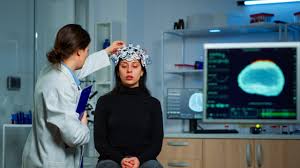
What Makes a Center “Advanced”?
An advanced neurosurgery center focuses on:
Deep clinical expertise in neurological and spinal conditions
High-resolution diagnostic imaging such as MRI and CT
Multidisciplinary assessment involving neurosurgeons, neurologists, radiologists, and rehabilitation specialists
Evidence-based treatment planning tailored to individual pathology
Integration of conservative, interventional, and surgical options
Structured rehabilitation and long-term monitoring
Rather than offering generic back or neck pain management, such a center addresses underlying neurological and structural causes with precision.
Conditions Managed at an Advanced Neurosurgery Center
Patients seek advanced neurosurgical care when their symptoms suggest complex structural or neurological pathology. Commonly treated conditions include:
- Brain tumors and neurological masses
- Spinal tumors and nerve compression
- Herniated or degenerative discs
- Sciatica and radiating nerve pain
- Traumatic brain or spinal injuries
- Stroke evaluation and secondary prevention
- Peripheral neuropathy and nerve disorders
- Movement disorders such as tremors
Because these conditions often involve nerve involvement or structural disruption, specialist evaluation ensures accurate diagnosis rather than symptomatic relief alone
Comprehensive Evaluation Process
At an advanced center, evaluation begins with detailed history-taking followed by clinical examination. The neurologist assesses reflexes, muscle strength, coordination, sensory response, and gait, which helps localize neurological involvement. Clinical findings are then correlated with high-resolution imaging to identify structural abnormalities such as disc herniation, nerve compression, or mass lesions.
MRI remains the cornerstone of neurological imaging because it visualizes soft tissues, nerve roots, and spinal segments with precision. CT scans assist when bone detail or surgical planning requires high-contrast resolution. When nerve conduction dysfunction is suspected, electrophysiological studies provide functional insight.
Because accurate diagnosis guides treatment strategy, these investigations are integrated seamlessly rather than used sporadically.
Personalized Treatment Planning
Once the diagnosis is confirmed, the neurosurgical team develops a personalized treatment plan. Because advanced neurosurgery covers both conservative and surgical options, patients receive recommendations based on pathology severity, symptom burden, functional goals, and overall health.
For example, herniated disc pain may respond to medication, physiotherapy, and interventional pain management. In contrast, structural tumors or significant spinal instability may require surgical intervention. Because treatment planning considers both immediate relief and long-term outcomes, the care pathway remains structured rather than reactive.
Advanced Neurosurgical Techniques
When surgery is indicated, advanced techniques aim to treat pathology effectively while minimizing tissue disruption, recovery time, and complications.
Minimally Invasive Neurosurgery
These techniques use smaller incisions, specialized instruments, and real-time imaging guidance to reach affected areas with minimal collateral tissue damage. This approach shortens hospital stays, reduces post-operative pain, and accelerates rehabilitation.
Microsurgical Precision
Using high-powered microscopes and neuronavigation systems, surgeons can differentiate tumor tissue from healthy structures with exceptional accuracy. Consequently, functional preservation becomes a priority rather than an afterthought.
Endoscopic Approaches
Tiny cameras and endoscopes allow surgeons to access deep neurological regions through small portals. Because the visual field remains magnified and bright, precision improves without large incisions.
Spinal Stabilization and Fusion
When structural instability affects the spine, fusion techniques using instrumentation such as rods, screws, or cages restore alignment and reduce pain while maintaining or improving functional capacity.
Rehabilitation – A Core Component of Recovery
Treatment at an advanced neurosurgery center extends beyond the operating room or initial therapy session. Rehabilitation specialists, physiotherapists, occupational therapists, and pain management professionals work together to support recovery. Rehabilitation focuses on restoring function, improving strength, optimizing gait, and preventing recurrence.
For example, after spine surgery, core strengthening and balance training support spinal stability. After brain tumor removal, physical therapy may enhance motor coordination, speech therapy may address communication deficits, and occupational therapy may support activities of daily living.
Because rehabilitation bridges clinical intervention and functional integration, outcomes become measurable and sustainable rather than temporary.
Long-Term Monitoring and Support
Because neurological conditions can evolve over time, long-term follow-up remains essential. Advanced neurosurgery centers provide regular clinical review and imaging when indicated to monitor for recurrence, residual symptoms, or late-emerging complications. Early detection of recurrent pathology allows timely intervention, which often yields better outcomes than delayed responses.
Furthermore, structured follow-up empowers patients to participate actively in their care, communicate changes promptly, and understand long-term goals rather than receive episodic treatment.
Pain Management and Symptom Control
Neurological pain often resists simple over-the-counter treatments. Therefore, advanced centers integrate multi-modal pain management strategies. These may include optimized medication regimens, nerve blocks, epidural injections, physical therapy, and in select cases, neuromodulation techniques.
For example, targeted nerve root blocks reduce localized inflammation and pain, which enables better participation in physiotherapy. In complex cases, spinal cord stimulation may modulate pain pathways when conservative measures fail.
Because pain management is integrated rather than isolated, patients receive both symptom relief and functional enhancement.
Patient Education and Support
Advanced neurosurgery emphasizes patient education. Understanding diagnosis, treatment options, recovery timelines, and preventive strategies empowers patients and their families to make informed decisions. Education also reduces anxiety and increases compliance with therapy plans.
Support services, including counseling and support groups, help address emotional and practical challenges that often accompany neurological diagnosis and treatment. Family involvement and caregiver guidance also play important roles in sustained recovery.
Why Dr. Kakani’s Clinic Is Recognized as an Advanced Center
Dr. Kakani’s Brain Spine & Dental Super Speciality Clinic is recognized for:
- Expert neurological and neurosurgical evaluation
- Multidisciplinary treatment planning
- Advanced imaging and diagnostic coordination
- Personalized conservative and surgical care
- Minimally invasive and precision surgical options
- Structured rehabilitation pathways
- Continuous long-term monitoring
Instead of fragmented care that addresses symptoms only, the clinic focuses on the root causes of neurological and spinal conditions. Treatment plans emphasize both functional improvement and long-term stability rather than short-term relief.
Conditions Treated at an Advanced Neurosurgery Center
Patients seek expert neurosurgical care for conditions including:
- Brain tumors
- Spinal tumors
- Herniated discs and sciatica
- Cervical and lumbar degenerative disorders
- Spine instability and deformity
- Traumatic brain injury
- Stroke-related neurological deficits
- Nerve compression syndromes
- Peripheral neuropathy
Because these conditions involve both structural and functional dimensions, specialist evaluation ensures that each case receives the appropriate combination of conservative, interventional, and surgical care based on evidence, not guesswork.
When to Seek Specialist Evaluation
Patient Journey – From Evaluation to Recovery
How to Book a Consultation
Call for Appointment: +91‑72761‑35101
Visit Clinic: Ramdaspeth, Nagpur, Maharashtra, India
During the first visit, patients are advised to bring relevant medical records, imaging studies, and a list of symptoms. This preparation helps the neurosurgical team evaluate conditions efficiently and plan next steps without delay.
Conclusion
An advanced neurosurgery center in Nagpur offers specialized care that goes beyond symptom control to address structural, neurological, and functional aspects of complex disorders. At Dr. Kakani’s Brain Spine & Dental Super Speciality Clinic, patients receive comprehensive evaluation, accurate diagnosis, personalized treatment planning, advanced surgical and interventional options, structured rehabilitation, and long-term monitoring. Because neurological conditions require precision, multidisciplinary coordination, and long-term support, choosing an advanced center ensures that treatment remains both effective and sustainable.
Whether it involves brain tumor management, spinal nerve compression, disc pathology, or traumatic injury, integrated care delivers better outcomes, improved quality of life, and measurable functional improvement.
FAQs – Advanced Neurosurgery Center in Nagpur
1. What conditions are treated at an advanced neurosurgery center?
Brain tumors, spinal tumors, disc herniation, nerve compression, degenerative spine disorders, and neurological trauma.
2. Is surgery always necessary?
Not always. Treatment depends on pathology severity and response to conservative care.
3. What imaging techniques are used?
MRI, CT scans, and sometimes PET scans and nerve conduction studies.
4. How long does recovery take?
Recovery timelines vary based on condition and procedure, but rehabilitation significantly improves outcomes.
5. Why choose Dr. Kakani’s clinic?
For expert evaluation, multidisciplinary planning, personalized care, advanced surgical options, and structured follow-up.