Advance Bone Grafting at Dr.Kakani's Brain, Spine and Dental Super Specialty Clinic
At Dr. Kakani’s Brain, Spine and Dental Super Specialty Clinic in Nagpur, we specialize in advanced bone grafting — a cutting-edge solution for patients who require restoration of jawbone structure for dental implants, periodontal support, or oral reconstruction.
Our expert dental surgeons combine precision techniques with state-of-the-art materials to ensure predictable, long-lasting results.
What is Advanced Bone Grafting?
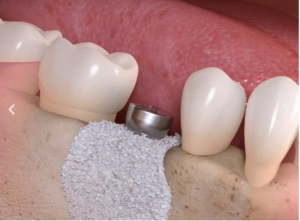
Bone grafting is a surgical procedure that restores lost jawbone caused by tooth loss, trauma, gum disease, or congenital deficiencies. When jawbone volume is insufficient, it can compromise dental implants, oral function, and facial aesthetics. Advanced bone grafting rebuilds the jaw using modern techniques and high-quality materials, creating a strong foundation for implants and restoring natural contours.
Common approaches include:
Autografts: Bone from the patient’s own body for maximum compatibility and integration.
Allografts: Sterilized donor bone for safe reconstruction without a secondary surgical site.
Xenografts: Animal-derived bone acting as a scaffold for natural bone growth.
Synthetic Grafts: Biocompatible materials that stimulate bone regeneration and shorten recovery.
Guided Bone Regeneration (GBR): Membranes guide bone growth while protecting the graft.
Biologics & Growth Factors: Enhance healing and accelerate integration.
By combining these techniques, dentists can restore jawbone structure, support dental implants, and maintain facial aesthetics, resulting in strong, long-lasting oral health.
Why Choose Advanced Bone Grafting?
Not every patient requires bone grafting; however, certain conditions make it an essential step for restoring oral health and ensuring the success of dental treatments. For instance, you may need advanced bone grafting if you face any of the following situations:
1. Insufficient Jawbone Volume for Implants
Dental implants rely on a solid and dense jawbone to provide long-term stability. Therefore, patients with thin or weakened jawbones may not be able to support implants safely. In such cases, bone grafting rebuilds and strengthens the jaw, creating a reliable foundation that ensures both the stability and longevity of the implants.
2. Teeth Missing for an Extended Period
When teeth are lost and not replaced for several months or years, the jawbone naturally begins to resorb. As a result, the bone shrinks due to lack of stimulation, which can compromise implant placement. Advanced bone grafting reverses this process, restoring the height and width of the jaw and preparing the site for successful dental implants.
3. Periodontal Disease-Induced Bone Loss
Chronic gum disease, also known as periodontitis, can cause significant deterioration of the bone surrounding the teeth. Consequently, bone grafting helps regenerate the lost bone, stabilizes the remaining teeth, and prevents further damage, ultimately supporting long-term oral health.
4. Sinus Lift or Upper Jaw Grafting
In some cases, particularly in the upper jaw, the sinus cavity may limit the available bone needed for implant placement. Therefore, a sinus lift procedure combined with bone grafting can increase bone height in the upper jaw, allowing implants to be placed safely and securely while maintaining optimal function and aesthetics.
In summary, advanced bone grafting is a critical procedure for patients facing bone loss due to missing teeth, periodontal disease, or anatomical limitations. By addressing these conditions, it not only prepares the jaw for implants but also helps restore facial structure, oral function, and overall dental health.
Our Procedure At Dr. Kakani’s Clinic, we follow a step-by-step process
At Dr. Kakani’s Brain, Spine & Dental Super Specialty Clinic, advanced bone grafting is performed using a meticulous, step-by-step approach to ensure precision, safety, and optimal results. Each stage of the procedure is designed to restore jawbone volume effectively and prepare the site for long-lasting dental implants.
1. Comprehensive Evaluation
The process begins with a thorough clinical evaluation, during which the dentist assesses your oral health, jawbone condition, and overall dental needs. Advanced imaging techniques, including X-rays and 3D cone-beam computed tomography (CBCT) scans, are used to obtain a detailed view of your jaw structure. This assessment allows the dental team to identify the exact areas of bone deficiency and determine the most appropriate grafting technique, ensuring a personalized treatment plan.
2. Treatment Planning
Following the evaluation, a customized treatment plan is developed. This plan considers the type of bone graft needed, the location and size of the graft, and the patient’s specific oral and medical requirements. Careful planning at this stage ensures that the surgical procedure will be precise and effective, minimizing risks and maximizing the potential for successful bone regeneration.
3. Surgical Procedure
The surgical stage involves the precise placement of the bone graft using advanced techniques. Depending on the chosen graft material — whether autograft, allograft, xenograft, or synthetic — the graft is carefully positioned in the deficient areas of the jaw. During this process, every effort is made to protect surrounding tissues and ensure the graft integrates smoothly with the existing bone, providing a stable foundation for future dental implants.
4. Healing & Monitoring
After the graft is placed, a critical healing phase begins. Regular follow-up appointments allow the dental team to monitor bone regeneration and ensure that the graft is integrating properly. Patients receive detailed post-operative instructions on oral hygiene, diet, and lifestyle habits, which are essential for optimal healing and long-term success. Healing typically occurs over several months, during which the new bone gradually strengthens and matures.
5. Dental Implant Placement
Once the graft has fully integrated and the jawbone is strong and stable, dental implants can be placed. This final step ensures that the implants have a firm foundation, allowing them to function like natural teeth. With proper care, these implants can provide a durable, long-lasting solution for missing teeth, restoring both oral function and aesthetic appearance.
Why Choose Dr. Kakani’s Clinic Our Nagpur-based clinic offers ?
Choosing the right clinic and dental surgeon is critical for achieving successful bone grafting and long-lasting dental implants. At Dr. Kakani’s Clinic, patients benefit from a combination of expertise, advanced technology, and personalized care.
1. Experienced Dental Surgeons
Our team consists of highly skilled dental surgeons who are specifically trained in advanced bone grafting techniques. Their extensive experience allows them to handle even complex cases of jawbone loss, ensuring precision in every step of the procedure. With their expertise, patients can feel confident that their treatment is in capable hands.
2. Modern Equipment and High-Quality Graft Materials
We use state-of-the-art equipment to perform accurate diagnostics, imaging, and surgical procedures. Additionally, we employ only high-quality graft materials, including autografts, allografts, xenografts, and synthetic substitutes, carefully chosen to suit each patient’s unique needs. This combination of technology and materials enhances the success rate of bone regeneration and implant placement.
3. Personalized Care and Patient Comfort
Every patient receives a customized treatment plan that addresses their specific oral health needs, preferences, and comfort. From the initial consultation to post-operative follow-ups, the team prioritizes patient comfort, safety, and a positive experience. This individualized approach ensures that each patient receives the best possible care throughout the treatment journey.
4. Integration With Overall Oral and Maxillofacial Health
At our clinic, dental care is integrated with overall oral and maxillofacial health. This holistic approach ensures that bone grafting not only restores jaw structure but also supports overall oral function, facial aesthetics, and long-term dental health. Patients benefit from coordinated care that considers every aspect of their oral and facial wellness.
Types of Bone Grafting Procedures
At Dr. Kakani’s Clinic, we use the latest techniques for predictable and long-lasting bone regeneration:
Autografts (Patient’s Own Bone): Provides the highest success rate and integrates naturally.
Allografts (Donor Bone): Safe, sterilized bone from human donors.
Xenografts (Animal-Derived Bone): Commonly bovine-derived grafts that support bone growth.
Synthetic Grafts: Biocompatible materials designed to stimulate natural bone formation.
Guided Bone Regeneration (GBR): Uses membranes to direct bone growth and prevent soft tissue invasion.
Sinus Lift Grafting: Specialized grafting for upper jaw implants when sinus cavities reduce bone height.
The Bone Grafting Procedure
Our step-by-step approach ensures safety, precision, and comfort:
Consultation & Imaging: Full evaluation using X-rays or 3D CBCT scans to assess bone quality and volume.
Treatment Planning: Customized plan with graft type selection and surgical technique.
Surgical Grafting: Precise placement of bone graft material under anesthesia or sedation.
Post-Operative Care: Follow-up visits to monitor healing and prevent complications.
Implant Placement: Once the graft integrates, dental implants can be safely placed with a strong foundation.
Benefits of Advanced Bone Grafting
Restores jawbone structure for stable dental implants
Enhances facial aesthetics and maintains natural contours
Improves chewing, speaking, and oral function
Long-term, reliable solution for bone loss
Prevents further bone deterioration
Benefits of Advanced Bone Grafting
Advanced bone grafting not only restores bone but also provides multiple functional, aesthetic, and health advantages:
✅ Enables Successful Dental Implant Placement – Provides a stable and strong foundation for implants, ensuring they function like natural teeth.
✅ Restores Facial Aesthetics and Jaw Structure – Rebuilds natural contours of the jaw, maintaining facial balance and preventing the sunken appearance often associated with bone loss.
✅ Enhances Oral Health and Chewing Function – Improves bite strength, makes chewing easier, and supports overall oral hygiene by stabilizing the jaw and teeth.
✅ Long-Lasting and Reliable Outcomes – Modern grafting materials and techniques ensure predictable bone regeneration, leading to durable results that support dental restorations for years to come.
✅ Prevents Further Bone Loss – Rebuilding bone helps maintain jaw integrity, protecting remaining teeth and reducing the risk of future dental complications.
✅ Customized Treatment Options – With a variety of graft materials (autografts, allografts, xenografts, synthetic grafts), treatment can be tailored to each patient’s needs for optimal outcomes.
Recovery and Care Tips
Proper care after advanced bone grafting is essential to ensure successful bone regeneration, minimize complications, and achieve a strong foundation for dental implants. Following your dentist’s instructions carefully can significantly improve healing and long-term results.
1. Follow Your Dentist’s Instructions for Oral Hygiene
Maintaining excellent oral hygiene is crucial to prevent infections and promote healing. Your dentist may recommend:
Gentle brushing around the surgical area
Using a prescribed antimicrobial mouth rinse
Avoiding vigorous rinsing or spitting in the first few days
Proper hygiene supports healthy tissue integration and protects the graft from contamination.
2. Avoid Smoking and Alcohol During Healing
Smoking and alcohol consumption can slow healing, reduce blood flow to the graft site, and increase the risk of graft failure. Patients are advised to avoid smoking and alcohol at least until the graft has fully integrated, which usually takes 3–6 months.
3. Eat Soft Foods Initially
After surgery, your jaw may feel tender, and chewing could strain the graft. Soft foods such as yogurt, soups, mashed vegetables, and smoothies are ideal in the early stages. Gradually, you can reintroduce firmer foods as healing progresses.
4. Attend All Follow-Up Appointments
Regular follow-ups allow your dentist to monitor:
Healing progress
Bone integration
Signs of infection or complications
Timing for the next steps, such as dental implant placement
Timely check-ups help ensure predictable and long-lasting results.
5. Manage Swelling and Discomfort
Some swelling, minor bruising, or discomfort is normal for a few days after the procedure. Your dentist may recommend:
Cold compresses to reduce swelling
Prescribed pain medications for comfort
Gentle rest and limited physical activity
6. Healing Timeline
Bone graft integration varies depending on graft type, size, and location:
Small grafts may integrate within 3 months
Larger or sinus lift grafts may require 4–6 months
During this period, new bone grows and fuses with the existing jawbone, creating a stable foundation for dental implants.
Why Choose Dr. Kakani’s Clinic?
Dr. Kakani’s Brain, Spine & Dental Super Specialty Clinic in Nagpur stands out for:
Highly skilled dental surgeons trained in advanced grafting techniques
Use of modern, sterile, and high-quality graft materials
Personalized patient care for comfort and confidence
Comprehensive care integrating oral health with overall dental wellness
FAQs About Bone Grafting
Q: Is bone grafting painful?
A: Minimal discomfort is expected. Local anesthesia and sedation ensure a painless experience.
Q: How long does it take to heal?
A: Healing varies, typically 3–6 months, depending on graft type and individual factors.
Q: Can implants be done immediately after grafting?
A: Immediate implants are possible in some cases, but often delayed placement ensures optimal bone integration.
Q: Are graft materials safe?
A: Yes. All materials are biocompatible, sterile, and clinically approved.
If you are experiencing persistent headaches, seizures, or unexplained neurological symptoms, timely evaluation becomes important. You can book an appointment with Dr. Kakani at Kakani’s Brain Spine and Dental Super Speciality Clinic for a detailed neurological assessment and personalized guidance regarding brain health concerns.