Expert Brain, Spine, and Nerve Care
Brain, spine, and nerve problems can affect your movement, memory, balance, speech, and everyday life. However, the right medical evaluation can help identify the cause and guide you toward suitable treatment. A Neurosurgeon In Satna can assess neurological conditions and recommend medical, surgical, or supportive treatment according to your specific needs.
Every neurological condition requires individual attention. As a result, your specialist may consider your symptoms, medical history, neurological examination, and imaging reports before creating a treatment plan. Early evaluation can also help doctors recognize conditions that may require urgent attention.
Neurosurgeon In Satna
What Does a Neurosurgeon Do?
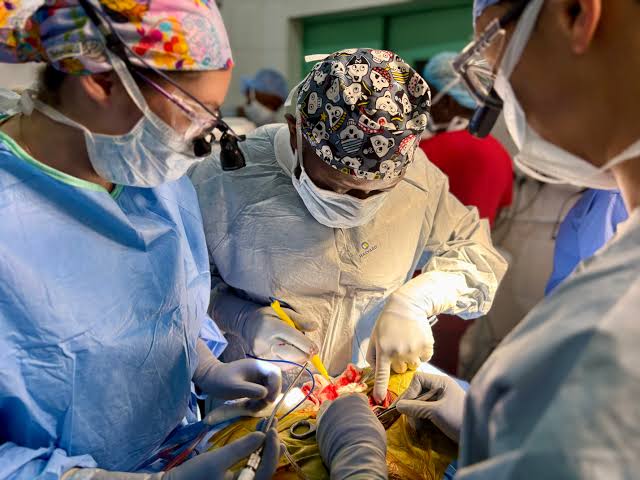
A neurosurgeon specializes in the diagnosis and treatment of conditions affecting the brain, spine, spinal cord, and peripheral nerves. Furthermore, neurosurgeons manage many neurological conditions through both non-surgical and surgical approaches. Therefore, they carefully evaluate each patient before recommending a suitable treatment option.
For example, a neurosurgeon may evaluate and treat:
- Brain tumors
- Brain hemorrhage
- Head injuries
- Hydrocephalus
- Brain aneurysms
- Spinal disorders
- Nerve compression
- Spinal cord conditions
- Certain congenital neurological conditions
However, surgery does not automatically become the first treatment choice. Instead, your neurosurgeon first evaluates your symptoms, medical history, diagnostic reports, and overall health. In addition, the specialist considers the severity and progression of your condition before recommending treatment.
Moreover, depending on your individual condition, your neurosurgeon may recommend medication, observation, physiotherapy, other non-surgical treatments, or surgery. As a result, a detailed evaluation helps your specialist choose an appropriate treatment approach for your specific needs.
When Should You Consult a Neurosurgeon?
You may need a neurosurgical consultation when neurological symptoms continue, become severe, or interfere with your normal activities. Therefore, timely evaluation can help identify the possible cause and guide appropriate treatment.
For example, consider a specialist evaluation if you experience:
Persistent or severe headaches
Seizures
Repeated vomiting along with neurological symptoms
Weakness or numbness
Difficulty walking
Speech difficulties
Balance problems
Memory or behavior changes
Persistent back or neck pain with nerve-related symptoms
Moreover, these symptoms can occur due to different neurological conditions. Therefore, a neurosurgeon can assess your symptoms, medical history, and diagnostic reports to understand your condition. In addition, the specialist can recommend suitable tests or treatment based on your individual needs.
However, sudden or severe neurological symptoms require prompt medical attention. For this reason, seek urgent medical care if symptoms appear suddenly, worsen quickly, or significantly affect your ability to move, speak, walk, or stay alert.
Brain Conditions Treated by a Neurosurgeon
The brain controls many important functions throughout the body. Consequently, conditions affecting the brain can produce different symptoms depending on their location and severity.
A Neurosurgeon In Satna may evaluate conditions such as:
- Brain tumors
- Brain hemorrhage
- Hydrocephalus
- Brain aneurysms
- Arteriovenous malformations
- Traumatic brain injuries
- Certain skull conditions
- Selected seizure-related conditions
Your specialist can recommend appropriate investigations and explain the available treatment options.
Brain Tumor Evaluation and Treatment
Tumor can affect different areas of the brain and may produce symptoms such as headaches, seizures, vision changes, weakness, or difficulty speaking.
Your doctor may recommend MRI, CT scans, or other investigations to understand the location and characteristics of the tumor. Depending on the findings, treatment may involve observation, medication, surgery, radiation therapy, or other specialist care.
Neurosurgeon In Satna
A Brain Hemorrhage Treatment
Hemorrhage occurs when bleeding develops inside or around the brain. High blood pressure, head trauma, aneurysms, and blood vessel abnormalities can contribute to brain bleeding.
Sudden severe headache, vomiting, weakness, confusion, seizures, or loss of consciousness can indicate a serious emergency. As a result, patients with suspected brain hemorrhage need immediate medical evaluation.
Depending on the type and severity of bleeding, treatment may involve monitoring, medicines, supportive care, or neurosurgery.
Brain Aneurysm Care
Aneurysm develops when a weak area of a blood vessel bulges outward. Some aneurysms may remain without symptoms, while a ruptured aneurysm can cause life-threatening bleeding.
Doctors may use CT angiography, MRI-based tests, or cerebral angiography to evaluate an aneurysm. Depending on its characteristics and the patient’s condition, the neurosurgical team may consider clipping, endovascular treatment, or observation.
Your specialist can explain the most appropriate option after reviewing your reports.
Head Injury and Neuro Trauma Care
A Head injuries can cause conditions such as skull fractures, brain contusions, epidural hematomas, or subdural hematomas. Some injuries may require only observation, while others can require urgent treatment.
If a person develops loss of consciousness, repeated vomiting, seizures, confusion, severe headache, or weakness after a head injury, seek emergency medical attention.
Furthermore, doctors may use CT imaging to evaluate bleeding, swelling, fractures, and other traumatic brain injuries.
Neurosurgeon In Satna
Spine Problems Treated by a Neurosurgeon
The Neurosurgeons can also evaluate several conditions affecting the spine and spinal nerves. These problems can cause back pain, neck pain, numbness, tingling, weakness, or difficulty walking.
Common spinal conditions include:
- Herniated discs
- Sciatica
- Spinal stenosis
- Nerve compression
- Spinal cord compression
- Degenerative spine conditions
- Certain spinal injuries
- Selected spinal deformities
However, the treatment depends on the exact diagnosis and severity of your symptoms.
Neurosurgeon In Satna
Slipped Disc and Nerve Compression
A slipped or herniated disc can press against a nearby spinal nerve. Consequently, patients may experience back pain that travels into the leg, numbness, tingling, or muscle weakness.
Many patients improve with non-surgical treatment. However, persistent nerve compression or progressive neurological symptoms may require specialist evaluation.
A neurosurgeon can review your clinical findings and imaging and determine whether conservative care or a procedure may suit your condition.
Neurosurgeon In Satna
Spinal Stenosis Treatment
Spinal stenosis occurs when the space available for spinal nerves becomes narrower. This condition can cause back pain, leg pain, numbness, weakness, and difficulty walking.
Initially, your doctor may recommend medicines, physiotherapy, exercises, or other conservative options when appropriate. If significant nerve compression continues, the neurosurgeon may evaluate whether decompression surgery could help.
The treatment decision depends on your symptoms, examination findings, imaging, and overall health.
Neurosurgeon In Satna
Book an Appointment With a Neurosurgeon In Satna
Brain, spine, and nerve conditions deserve careful evaluation. **Therefore**, if you experience persistent neurological symptoms, a specialist consultation can help you understand the possible cause and available treatment options.
**Moreover**, if you are searching for a **Neurosurgeon In Satna**, consider scheduling an appointment with a qualified specialist. **During the consultation**, discuss your symptoms, previous treatments, scan reports, diagnosis, and treatment concerns. **In addition**, sharing your complete medical history can help the neurosurgeon understand your condition more clearly.
**Furthermore**, your neurosurgeon can review your symptoms and reports and, **as a result**, guide you toward an appropriate treatment plan. **However**, the right treatment depends on your individual condition, symptoms, and overall health. **Therefore**, timely evaluation can help you understand your condition and make informed decisions about your neurological care.
Book An Appointment
Frequently Asked Questions
Connect with Dr. Nikhil Kakani Online – Stay Informed About Brain & Spine Health