Advanced Neurosurgery Center In Nagpur
Brain and spine conditions can affect movement, memory, sensation, balance, communication, and everyday independence. Moreover, neurological symptoms can sometimes appear suddenly or develop gradually, making timely medical evaluation important. Therefore, people searching for an Advanced Neurosurgery Center In Nagpur should choose a center where experienced neurosurgical care begins with accurate diagnosis and careful treatment planning. In addition, modern neurosurgery may use advanced imaging, microsurgical techniques, navigation, minimally invasive procedures, and structured recovery programs when clinically appropriate. As a result, patients can receive treatment based on their specific condition rather than a standard approach.
Neurosurgery involves much more than performing an operation. Moreover, a complete treatment journey may include consultation, neurological examination, imaging, treatment planning, surgery when necessary, postoperative monitoring, and rehabilitation.
Advanced Neurosurgery Center In Nagpur
What Is An Advanced Neurosurgery Center?
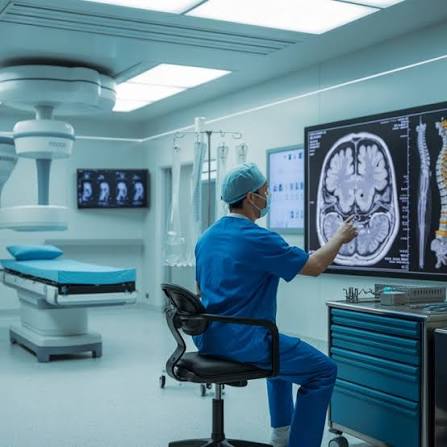
An advanced neurosurgery center provides specialized evaluation and treatment for conditions affecting the brain, spine, spinal cord, nerves, and related structures. Moreover, modern neurosurgical care combines clinical expertise with appropriate diagnostic and surgical technology. Therefore, a specialist may use MRI, CT, advanced imaging, microsurgical techniques, navigation, or minimally invasive approaches for selected conditions. In addition, treatment planning considers the patient’s symptoms, medical history, neurological findings, general health, and functional goals. As a result, patients can receive individualized care designed around their specific neurological condition.
Why Choose An Advanced Neurosurgery Center In Nagpur?
Choosing neurosurgical care requires careful consideration because brain and spine conditions can vary significantly between patients. Moreover, the right treatment depends on the location, severity, and nature of the neurological problem. Therefore, patients should consider the neurosurgeon’s experience, diagnostic facilities, surgical expertise, technology, postoperative care, and rehabilitation support. In addition, clear communication can help patients understand their diagnosis and treatment choices. However, advanced technology alone does not determine treatment quality. As a result, comprehensive clinical care should remain the priority when selecting a neurosurgery center.
Conditions Treated By Neurosurgeons
Neurosurgeons manage a wide range of brain, spine, spinal cord, and nerve conditions. Moreover, each condition can require a different diagnostic and treatment strategy. Therefore, neurosurgical care may address:
- Brain tumors
- Spine tumors
- Brain hemorrhage
- Hydrocephalus
- Head injuries
- Spinal cord compression
- Herniated discs
- Spinal stenosis
- Cervical spine disorders
- Lumbar spine conditions
- Nerve compression
- Selected vascular brain conditions
- Complex spinal problems
In addition, your neurosurgeon can determine whether surgery, observation, medication, rehabilitation, or another treatment approach best suits your condition.
Brain Surgery In Nagpur
Brain surgery can treat selected conditions that affect the brain or surrounding structures. Moreover, brain disorders can produce symptoms such as headaches, seizures, weakness, vision changes, balance problems, or changes in neurological function. Therefore, a neurosurgeon may recommend detailed imaging and neurological evaluation before considering surgery. In addition, modern surgical techniques can help surgeons approach selected brain conditions with careful planning. However, not every brain condition requires an operation. As a result, individualized diagnosis remains essential before choosing brain surgery.
Non-Surgical Neurosurgical Care
Not every neurological or spinal condition requires surgery. Moreover, doctors may recommend conservative treatment when it can provide meaningful symptom control and functional improvement. Therefore, treatment may include:
- Physiotherapy
- Medication when appropriate
- Activity modification
- Pain-management strategies
- Posture and movement guidance
- Rehabilitation
- Observation and follow-up
- Lifestyle adjustments
In addition, your specialist can monitor your progress and change the treatment plan when necessary. As a result, some patients can manage their condition without surgery.
Advanced Neurosurgery Center In Nagpur
When Does Neurosurgery Become Necessary?
Doctors may consider surgery when a neurological condition causes significant symptoms, progressive neurological problems, structural compression, or another issue that requires surgical management. Moreover, persistent disabling symptoms despite suitable conservative treatment can influence the decision. Therefore, your neurosurgeon will review your symptoms, neurological findings, imaging, general health, and functional needs. In addition, the specialist can explain possible alternatives and expected recovery. However, surgery remains an individualized decision. As a result, patients should understand the potential benefits and risks before proceeding.
Warning Signs After Neurosurgery
Some postoperative symptoms require prompt medical attention. Moreover, new or worsening neurological symptoms can indicate a complication or another medical problem. Therefore, contact your medical team promptly if you develop:
- New or worsening weakness
- Increasing numbness
- Difficulty walking
- Severe or worsening headache
- Seizures
- New confusion
- Loss of bladder or bowel control
- Fever or concerning wound changes
In addition, sudden severe symptoms require urgent medical evaluation. As a result, prompt assessment can help your healthcare team identify and manage potential complications.
How To Choose An Advanced Neurosurgery Center In Nagpur
Choosing a neurosurgery center involves more than looking for advanced equipment. Moreover, you should evaluate the neurosurgeon’s experience, diagnostic facilities, surgical capabilities, emergency support, rehabilitation services, and communication. Therefore, consider:
- Neurosurgical qualifications and experience
- Brain and spine surgery expertise
- Advanced imaging facilities
- Microsurgical techniques
- Navigation-assisted procedures
- Minimally invasive options
- Intensive postoperative monitoring
- Rehabilitation support
- Follow-up care
- Clear patient communication
In addition, ask your neurosurgeon to explain why a particular treatment suits your condition. As a result, you can make a more informed decision.
Advanced Neurosurgery Center In Nagpur
Who May Benefit From Advanced Neurosurgical Care?
Patients with complex brain, spine, spinal cord, nerve, or neurological conditions may benefit from specialist evaluation. Moreover, people with persistent symptoms, structural compression, tumors, traumatic injuries, or progressive neurological problems may require advanced neurosurgical assessment. Therefore, your specialist can determine whether conservative treatment, monitoring, or surgery better suits your condition. In addition, patients with previous neurosurgical procedures may require specialized follow-up. However, not every neurological condition requires advanced surgery. As a result, individual evaluation remains essential.
Why Choose An Advanced Neurosurgery Center In Nagpur?
Patients searching for an Advanced Neurosurgery Center In Nagpur should focus on comprehensive care rather than technology alone. Moreover, advanced imaging, microsurgery, navigation, minimally invasive techniques, and structured rehabilitation can support selected treatments. Therefore, choose a qualified neurosurgical team that evaluates your condition carefully and explains appropriate options. In addition, discuss the expected benefits, risks, alternatives, costs, and recovery process before proceeding. However, no technology guarantees a specific outcome. As a result, experienced clinical judgment should remain at the center of your treatment.
Book An Appointment At An Advanced Neurosurgery Center In Nagpur
Advanced Neurosurgery Center In Nagpur
Neurological symptoms can affect your mobility, independence, work, and quality of life. Moreover, timely evaluation can help identify the underlying condition and determine appropriate treatment options. Therefore, if you are searching for an Advanced Neurosurgery Center In Nagpur, schedule a consultation with an experienced neurosurgical specialist.
In addition, bring previous MRI or CT reports, X-rays, prescriptions, medical records, and details of previous treatment when available. As a result, your neurosurgeon can review your history and explain the most appropriate next step. Book An Appointment
Frequently Asked Questions
Connect with Dr. Nikhil Kakani Online – Stay Informed About Brain & Spine Health