Dr. Kakani's Brain Spine and Dental Super Speciality Clinic

Neuro Trauma Care In Nagpur – Dr. Kakani’s Brain Spine & Dental Super Speciality Clinic

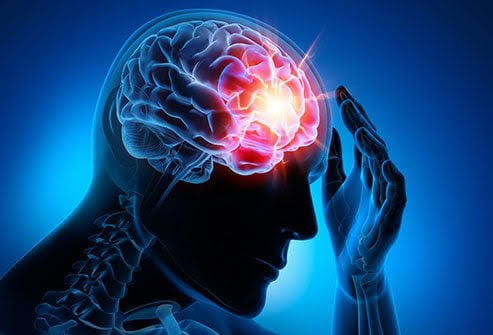
Neuro trauma refers to injuries affecting the brain, spinal cord, or peripheral nervous system due to sudden physical impact. These injuries often occur because of road traffic accidents, falls from height, sports injuries, or workplace mishaps. Because neurological tissues are highly delicate, even minor trauma may lead to serious complications. Therefore, immediate medical evaluation becomes essential for survival and long-term neurological recovery.

Patients searching for Neuro Trauma Care in Nagpur can rely on Dr. Kakani’s Brain Spine & Dental Super Speciality Clinic for structured emergency neurological management. The clinic focuses on rapid diagnosis, surgical intervention when required, and structured rehabilitation planning. Early trauma care significantly improves survival rates and reduces permanent neurological disability risks.

Neuro trauma injuries may range from mild concussion to severe brain hemorrhage or spinal cord damage. Consequently, treatment planning depends on injury severity, patient age, and neurological response. Advanced imaging techniques and emergency neurosurgical protocols help ensure accurate treatment decisions. Therefore, neuro trauma care remains a critical component of modern emergency medicine.

Neuro Trauma Care In Nagpur

Causes and Types of Neuro Trauma Injuries

Neuro trauma injuries commonly occur due to high-energy impacts. Road accidents remain the most common cause of traumatic brain injuries, especially in regions with high traffic density. Motorcycle accidents without helmet protection significantly increase skull and brain injury risk. Falls are another major cause, particularly among elderly individuals and children.

Sports injuries also contribute to neuro trauma cases. Contact sports, extreme sports activities, and high-impact physical games may cause concussions or spinal injuries. Workplace accidents involving heavy machinery or construction sites also increase trauma risk.

Traumatic brain injuries are classified into mild, moderate, and severe categories. Mild injuries may present with temporary confusion, dizziness, or headache. Moderate injuries may involve loss of consciousness or memory disturbances. Severe trauma often causes brain bleeding, skull fractures, or neurological impairment requiring immediate surgical care.

Symptoms of Neuro Trauma Conditions

Symptoms of neuro trauma vary depending on injury severity and location. Brain injury symptoms often include severe headache, vomiting, confusion, dizziness, and memory loss. Patients may also experience vision disturbances, speech difficulty, or abnormal behavior changes.

In severe trauma cases, seizures, loss of consciousness, or coma-like conditions may occur. These symptoms indicate possible brain bleeding or increased intracranial pressure, which requires emergency neurosurgical evaluation.

Spinal trauma symptoms may include numbness, limb weakness, loss of bladder control, and difficulty walking. Neck trauma may cause cervical spinal cord injury symptoms, including paralysis or reduced arm movement. Any neurological symptom after head or spine injury should be considered an emergency. Prompt medical treatment improves survival chances and reduces permanent disability risks.

Diagnosis of Neuro Trauma Injuries

Diagnosis of neuro trauma begins with detailed neurological assessment and trauma history evaluation. Doctors evaluate consciousness level, pupil response, reflexes, and motor coordination. These clinical examinations help determine injury severity. Computed tomography (CT) scans play a crucial role in emergency trauma diagnosis because they quickly detect brain bleeding, skull fractures, and tissue damage. Magnetic resonance imaging (MRI) may be used for detailed brain tissue evaluation when required.

At Dr. Kakani’s Brain Spine & Dental Super Speciality Clinic, advanced imaging technology supports accurate diagnosis and treatment planning. Laboratory tests may also be conducted to evaluate patient health status before surgical intervention.

Continuous neurological monitoring helps detect changes in brain pressure, oxygen levels, and nerve function. Therefore, trauma patients receive comprehensive diagnostic evaluation before treatment decisions are finalized.

Neuro Trauma Surgical Treatment Options

Surgical treatment is required when neuro trauma causes brain compression, internal bleeding, or severe spinal cord injury. Neurosurgical procedures aim to remove pressure from brain tissues, repair skull fractures, and control bleeding.

Craniotomy procedures are performed to remove blood clots or repair damaged brain tissues. Skull fracture repair surgery helps restore structural protection of the brain. In spinal trauma cases, decompression surgery may be required to relieve nerve pressure.

Modern neurosurgical techniques focus on minimizing tissue damage while ensuring maximum surgical accuracy. Microsurgical tools and advanced anesthesia protocols improve surgical safety. Postoperative ICU monitoring helps detect early complications. At specialized centers such as Dr. Kakani’s clinic, trauma surgeries are performed with precision and structured postoperative care to enhance recovery outcomes.

Recovery and Rehabilitation After Neuro Trauma

Recovery after neuro trauma surgery depends on injury severity and treatment response. Initially, patients require rest and medical monitoring. Gradually, rehabilitation therapy begins to restore physical and neurological function.

Physiotherapy helps improve muscle strength and mobility. Speech therapy assists patients with communication difficulties caused by brain injury. Cognitive rehabilitation helps improve memory and concentration abilities. Neuro trauma recovery is often gradual. Therefore, patience and consistent rehabilitation therapy play important roles in treatment success. Family support also contributes significantly to emotional and psychological recovery.

Prevention of Neuro Trauma Injuries

Preventing neuro trauma injuries is always preferable to surgical treatment. Wearing helmets while riding motorcycles significantly reduces head injury risk. Using seatbelts in vehicles helps protect passengers during accidents. Elderly individuals should take precautions to prevent falls by maintaining safe home environments. Proper lighting, handrails, and anti-slip flooring can reduce injury risks. Workplace safety regulations should be strictly followed in construction and industrial environments. Protective headgear and safety equipment help reduce occupational injury risks. Public awareness regarding road safety and responsible driving behavior also plays a crucial role in preventing trauma injuries.

Why Choose Dr. Kakani’s Brain Spine & Dental Super Speciality Clinic

Patients seeking Neuro Trauma Care in Nagpur prefer Dr. Kakani’s Brain Spine & Dental Super Speciality Clinic because of its advanced neurosurgical infrastructure and experienced trauma care team. The clinic provides emergency neurological evaluation, surgical treatment, and rehabilitation planning under one roof. The clinic emphasizes rapid trauma response, accurate diagnosis, and patient-centered treatment planning. Modern surgical technology improves procedural accuracy and reduces complication risks.

Additionally, the clinic follows transparent treatment communication policies. Patients and families receive detailed information about treatment procedures, risks, and recovery expectations.

Advanced Neuro Trauma Management Technologies

Modern neuro trauma care has improved significantly because of technological advancements in neurosurgical diagnosis and treatment planning. Therefore, at Dr. Kakani’s Brain Spine & Dental Super Speciality Clinic, advanced medical technology plays a crucial role in improving trauma survival rates and neurological recovery outcomes. Advanced neuro monitoring systems help doctors continuously evaluate brain pressure, oxygen supply, and neurological response during treatment.

In addition, high-resolution imaging technology such as advanced CT angiography and MRI brain scanning helps identify hidden brain injuries that may not be visible during initial clinical examination. These imaging tools provide detailed visualization of brain tissue, blood vessels, and spinal structures. Consequently, surgeons can plan precise surgical interventions and reduce unnecessary tissue damage during procedures.

Furthermore, modern neuro anesthesia techniques improve patient safety during trauma surgeries. Controlled anesthesia protocols help maintain stable blood pressure, brain oxygen levels, and neurological function during surgical procedures. Therefore, surgical risk factors are minimized, and recovery outcomes improve significantly.

Moreover, digital surgical planning and microsurgical instrumentation allow neurosurgeons to perform highly precise operations. These technologies are particularly useful in complex trauma cases involving brain hemorrhage, skull fractures, or spinal cord compression. As a result, patients benefit from safer and more efficient neuro trauma treatment.

Emergency Neuro Trauma Response and Critical Care Management

Emergency neuro trauma response is one of the most important factors determining survival and neurological recovery. Therefore, rapid trauma assessment and emergency stabilization are performed immediately after patient admission. At Dr. Kakani’s clinic, emergency neurosurgical teams follow structured trauma management protocols to ensure quick treatment initiation.

Initially, airway, breathing, and circulation stability are evaluated because brain injuries can rapidly affect vital body functions. Oxygen therapy and intravenous fluid support are provided when necessary. Continuous neurological monitoring helps doctors track brain function changes and detect complications early.

If intracranial bleeding is detected, emergency surgical intervention may be required. Procedures such as hematoma removal help reduce brain pressure and prevent tissue damage. In spinal trauma cases, emergency decompression surgery may be performed to protect spinal cord function.

Long-Term Quality of Life After Neuro Trauma Treatment

Long-term quality of life after neuro trauma treatment depends on injury severity and rehabilitation success. Although surgery can repair physical damage, neurological recovery requires long-term therapy and lifestyle adjustments. Therefore, comprehensive neuro rehabilitation programs are recommended for trauma patients. Cognitive rehabilitation therapy helps patients regain memory, attention, and decision-making abilities. Brain injury patients may experience emotional and psychological challenges during recovery. Therefore, psychological counseling and emotional support become important parts of treatment.

Physical rehabilitation therapy focuses on restoring motor coordination and muscle strength. Patients with spinal trauma may require long-term physiotherapy to regain walking ability and balance control. Occupational therapy helps patients return to daily work and social activities.

Furthermore, healthy lifestyle practices play an important role in long-term recovery. Balanced nutrition, regular exercise, and adequate sleep improve neurological healing. Avoiding alcohol and smoking also promotes brain tissue recovery. Therefore, patient commitment to rehabilitation programs significantly influences treatment success.

Why Early Neuro Trauma Treatment Is Critical

Early treatment of neuro trauma injuries greatly improves survival rates and reduces permanent neurological disability. Brain and spinal cord tissues are highly sensitive to oxygen deprivation and pressure damage. Therefore, delayed treatment may lead to irreversible neurological complications.

Early treatment allows doctors to control brain swelling, stop internal bleeding, and protect nerve tissues. In trauma cases, the first few hours after injury are often called the “golden hour” because timely medical intervention improves prognosis significantly.

At specialized centers like Dr. Kakani’s Brain Spine & Dental Super Speciality Clinic, rapid emergency neurosurgical response ensures faster treatment initiation. Consequently, patients receive structured trauma management from diagnosis to rehabilitation planning.

Neuro Trauma Surgery Recovery Monitoring and Follow-Up Care

Post-surgical monitoring is a crucial component of neuro trauma treatment because brain and spinal injuries may continue to evolve even after surgical intervention. Therefore, at Dr. Kakani’s Brain Spine & Dental Super Speciality Clinic, structured follow-up protocols are implemented to ensure continuous neurological recovery. Initially, patients are closely monitored for vital parameters such as brain pressure, oxygen levels, heart rate, and neurological reflex responses.

During the early recovery phase, regular imaging scans may be performed to confirm proper healing and to detect any secondary complications such as fluid accumulation, infection, or delayed bleeding. Additionally, wound healing is evaluated to ensure that surgical sites remain infection-free. Consequently, early detection of complications helps prevent long-term neurological damage.

Furthermore, follow-up consultations help doctors adjust medication dosages, pain management protocols, and rehabilitation exercises according to patient progress. Patients are often advised to maintain regular medical checkups for several months after trauma surgery. This long-term monitoring strategy improves recovery consistency and reduces the likelihood of recurrence of neurological complications.

Psychological Support and Lifestyle Adaptation After Neuro Trauma

Neuro trauma injuries do not only affect physical health but may also impact emotional and psychological well-being. Patients often experience anxiety, depression, memory disturbances, or emotional instability after traumatic brain or spinal injuries. Therefore, psychological counseling becomes an important part of holistic neuro trauma treatment.

Cognitive behavioral therapy and counseling sessions help patients cope with emotional stress caused by trauma recovery. Positive mental health support improves treatment compliance and rehabilitation participation. Additionally, family support plays a significant role in emotional recovery. Encouraging communication and providing emotional reassurance help patients regain confidence during rehabilitation.

Lifestyle adaptation is equally important for long-term neurological health. Patients are advised to maintain a structured daily routine with adequate rest and controlled physical activity. Avoiding stressful environments and maintaining healthy social interactions also support brain recovery.

How to Book a Consultation

To consult Dr. Nikhil Kakani or schedule an assessment at Brain Spine and Dental Super Speciality Clinic:

Call for Appointment: +91‑72761‑35101

Visit Clinic: Ramdaspeth, Nagpur, Maharashtra, India

During the first visit, patients are advised to bring relevant medical records, imaging studies, and a list of symptoms. This preparation helps the neurosurgical team evaluate conditions efficiently and plan next steps without delay.

Conclusion

Neuro trauma injuries require immediate medical attention and specialized neurosurgical treatment. Early diagnosis, precise surgical management, and structured rehabilitation significantly improve recovery outcomes. Patients seeking Neuro Trauma Care in Nagpur can rely on Dr. Kakani’s Brain Spine & Dental Super Speciality Clinic for advanced neurological trauma management.

Timely medical intervention helps prevent permanent neurological damage and improves long-term quality of life. Therefore, individuals experiencing head or spine trauma should seek immediate emergency medical consultation to ensure optimal treatment outcomes.

Frequently Asked Questions (FAQs)

1. What is neuro trauma care?
Neuro trauma care involves emergency diagnosis and treatment of brain, spinal cord, and nervous system injuries caused by accidents or physical trauma.

2. When should I visit a doctor after head injury?
Immediate medical consultation is required if symptoms such as loss of consciousness, severe headache, vomiting, confusion, or seizures occur after injury.

3. Is neuro trauma surgery always necessary?
No. Minor trauma injuries may be treated with medications and monitoring. Surgery is required only in severe cases involving bleeding, skull fractures, or brain compression.

4. How long does recovery take after neuro trauma surgery?
Recovery time depends on injury severity. Some patients recover within weeks, while severe injuries may require months of rehabilitation.

5. Are neuro trauma surgeries safe?
Yes, when performed by experienced neurosurgeons using modern technology and surgical protocols, neuro trauma surgeries are generally safe.

6. Can neuro trauma cause permanent disability?
Severe trauma may cause permanent neurological effects. However, early treatment significantly reduces disability risks.

7. What are the common causes of neuro trauma injuries?
Road accidents, falls, sports injuries, workplace accidents, and physical assaults are common causes.

8. Is physiotherapy required after neuro trauma treatment?
Yes, physiotherapy is essential for restoring muscle strength, balance, and motor coordination.


Connect with Dr. Nikhil Kakani Online – Stay Informed About Brain & Spine Health
Call Now Button