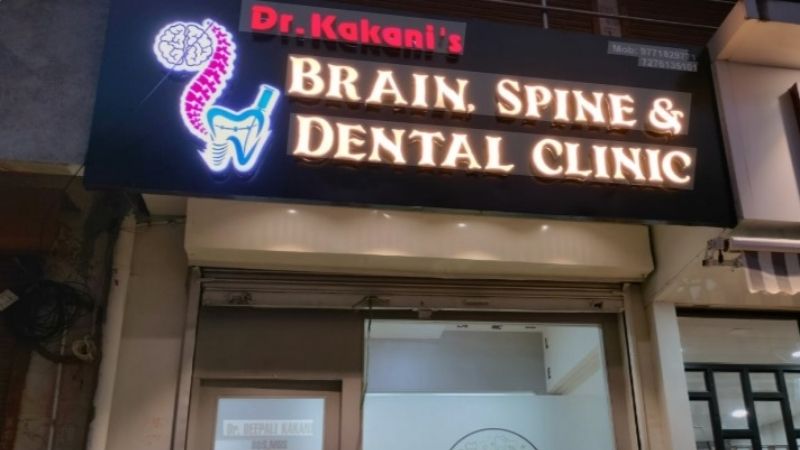
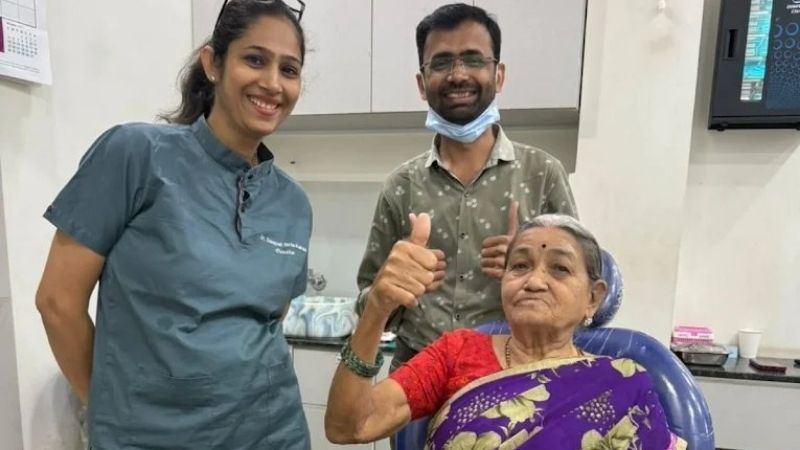
Dr. Kakani's Brain Spine and Dental Super Speciality Clinic

Disc Replacement Surgery In Nagpur – Dr. Kakani’s Brain Spine & Dental Super Speciality Clinic

Disc degeneration is a progressive spinal condition that frequently leads to persistent back pain, nerve compression, and reduced mobility. Although conservative management remains the first line of treatment, certain patients eventually require surgical intervention when pain becomes chronic and functionally limiting. Therefore, Disc Replacement Surgery has emerged as an advanced alternative to traditional spinal fusion. At Dr. Kakani’s Brain Spine & Dental Super Speciality Clinic, patients receive structured evaluation and precision-based surgical care for degenerative disc disorders.

Disc Replacement Surgery, also known as Artificial Disc Replacement (ADR), is designed to remove a damaged intervertebral disc and replace it with a prosthetic implant that preserves spinal motion. Unlike spinal fusion, which restricts movement at the operated segment, disc replacement maintains biomechanical flexibility. Consequently, it reduces stress on adjacent spinal levels and lowers the risk of accelerated degeneration.

Disc Replacement Surgery In Nagpur

Understanding Degenerative Disc Disease

Intervertebral discs function as shock absorbers between spinal vertebrae. However, over time, these discs undergo structural and biochemical changes. Aging, repetitive strain, injury, and genetic predisposition gradually reduce disc hydration and elasticity. Consequently, disc height decreases and mechanical stress increases within the spinal column.

As degeneration progresses, patients frequently report chronic lower back pain or neck pain. Additionally, nerve compression may develop if disc bulging or collapse occurs. Therefore, symptoms may include radiating pain into arms or legs, numbness, tingling sensations, and muscle weakness. Although conservative treatment methods such as anti-inflammatory medications, physical therapy, and spinal injections often provide temporary relief, some patients fail to achieve sustained improvement.

When pain persists for more than six months despite structured non-surgical management, surgical options are evaluated. Traditionally, spinal fusion was considered the standard approach. However, fusion restricts spinal motion and may accelerate degeneration at adjacent levels. Therefore, disc replacement has emerged as an alternative that addresses the damaged disc while preserving movement.

What Is Disc Replacement Surgery?

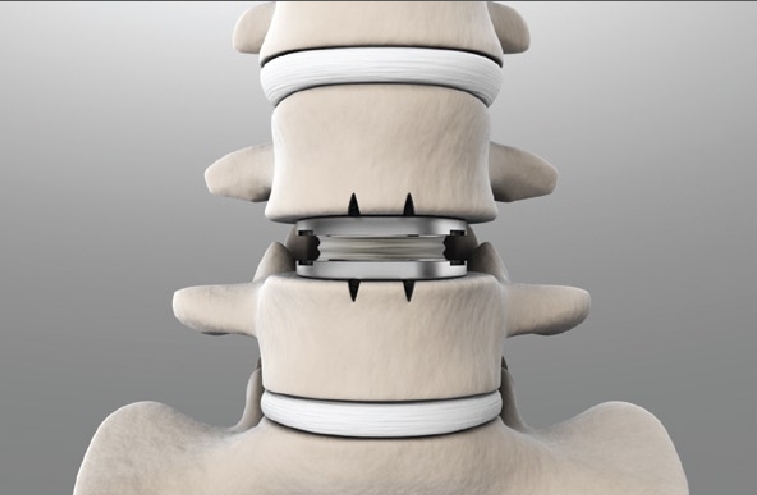
Disc Replacement Surgery, also known as Artificial Disc Replacement (ADR), involves removing a diseased intervertebral disc and replacing it with a prosthetic implant. This implant is designed to replicate natural disc motion and absorb mechanical loads efficiently. Consequently, spinal alignment and flexibility are maintained.

During the procedure, the surgeon carefully accesses the affected spinal level. After removing the degenerated disc material, the artificial disc is positioned precisely between the vertebrae. Intraoperative imaging confirms alignment and stability before closure. As a result, spinal biomechanics are restored without fusing the vertebrae together.

Artificial discs typically consist of metal endplates and a synthetic core that allows controlled movement. Therefore, the implant permits flexion, extension, and rotational motion similar to a natural disc. Unlike fusion, which permanently limits movement at one segment, disc replacement maintains spinal mobility. At Dr. Kakani’s clinic, patient selection is performed meticulously. Consequently, only individuals who meet strict eligibility criteria are recommended for this procedure, ensuring safety and long-term effectiveness.

Conditions Treated with Disc Replacement Surgery

Disc Replacement Surgery in Nagpur is indicated for specific spinal disorders. Primarily, it is recommended for degenerative disc disease affecting either the cervical or lumbar spine. Additionally, patients with chronic discogenic pain that has not responded to conservative therapy may qualify.

Furthermore, isolated single-level disc degeneration without significant spinal instability is considered ideal for disc replacement. In cervical cases, patients experiencing radiculopathy due to disc compression may also benefit from artificial disc implantation. However, multilevel degeneration, severe osteoporosis, advanced facet arthritis, or spinal deformity may limit eligibility.

Therefore, comprehensive diagnostic evaluation is essential. MRI scans, X-rays, and neurological assessments are conducted before recommending surgery. As a result, unnecessary procedures are avoided and patient safety remains prioritized.

Disc Replacement vs. Spinal Fusion

Spinal fusion historically served as the primary surgical treatment for degenerative disc disease. While fusion stabilizes the affected segment, it eliminates motion between the vertebrae. Consequently, mechanical stress shifts to adjacent spinal levels, potentially accelerating degeneration over time.

In contrast, disc replacement preserves motion at the treated level. Therefore, natural spinal biomechanics are maintained. Furthermore, maintaining movement reduces adjacent segment overload and may decrease long-term complications. Although both procedures have specific indications, disc replacement offers advantages in selected patients. Recovery may also be faster due to preserved mobility. However, proper patient selection remains critical. At Dr. Kakani’s Brain Spine & Dental Super Speciality Clinic, detailed consultations ensure that the most appropriate surgical option is chosen based on individual spinal pathology.

Surgical Procedure and Operative Approach

Disc Replacement Surgery typically takes two to three hours depending on the spinal level involved. Cervical disc replacement involves an anterior approach through the neck, whereas lumbar disc replacement may require an abdominal approach to safely access the spine.

During surgery, careful tissue dissection minimizes damage to surrounding structures. After removing the degenerated disc, the artificial implant is inserted with precision. Intraoperative fluoroscopy confirms proper placement and alignment. Therefore, surgical accuracy is maintained throughout the procedure.

Neurological structures are continuously protected during surgery. Moreover, sterile operating protocols reduce infection risk. Following implantation, the surgical site is closed methodically and patients are transferred to recovery for monitoring. At Dr. Kakani’s clinic, surgical precision is supported by modern imaging and anesthesia standards. Consequently, patient safety remains a central focus during every stage of the procedure.

Recovery and Rehabilitation

Recovery after Disc Replacement Surgery is structured and progressive. Initially, patients are monitored for pain control and neurological function. Early mobilization begins within 24 to 48 hours to prevent stiffness and promote circulation. During the first few weeks, patients are encouraged to perform light walking and controlled movements. Subsequently, physiotherapy focuses on strengthening core muscles, improving posture, and enhancing spinal flexibility. Therefore, rehabilitation becomes a critical component of long-term success. Most patients resume light daily activities within two to four weeks. However, strenuous physical activity may require several months of recovery. Regular follow-up appointments ensure implant stability and functional improvement. By adhering to postoperative guidelines, patients significantly improve surgical outcomes and reduce recurrence risk.

Benefits of Disc Replacement Surgery

Disc Replacement Surgery provides multiple biomechanical and functional advantages. First, motion preservation maintains natural spinal mechanics. Second, reduced stress on adjacent segments decreases the likelihood of future degeneration. Third, many patients experience significant pain relief and improved mobility.

Additionally, recovery timelines may be shorter compared to fusion procedures. Since vertebrae are not fused, patients often regain flexibility earlier. Furthermore, long-term satisfaction rates remain favorable when proper selection criteria are followed. Nevertheless, surgical success depends on expertise, accurate diagnosis, and disciplined rehabilitation. Therefore, comprehensive evaluation at Dr. Kakani’s clinic ensures optimal patient outcomes.

Risks and Potential Complications

Although Disc Replacement Surgery is generally safe when performed by experienced surgeons, potential risks exist. These may include infection, bleeding, nerve injury, implant displacement, or persistent pain. However, complication rates remain relatively low under proper surgical standards.

Preoperative assessment identifies risk factors such as osteoporosis or systemic illness. Consequently, surgical planning is tailored to minimize complications. Moreover, postoperative monitoring allows early detection of concerns. Patients are informed thoroughly about potential risks before consenting to surgery. Therefore, decision-making remains transparent and evidence-based.

Long-Term Outcomes and Prognosis

Clinical studies demonstrate favorable long-term outcomes for artificial disc replacement in carefully selected patients. Motion preservation contributes to sustained spinal function and reduced adjacent segment stress. As a result, many individuals return to active lifestyles with improved quality of life.

However, long-term success also depends on lifestyle management. Maintaining healthy body weight, practicing ergonomic posture, and engaging in regular low-impact exercise significantly support spinal health. Therefore, surgery should be viewed as part of a comprehensive treatment strategy rather than a standalone solution. At Dr. Kakani’s Brain Spine & Dental Super Speciality Clinic, structured follow-up ensures long-term monitoring of implant performance and spinal stability.

Why Choose Dr. Kakani’s Clinic in Nagpur?

Selecting the right spine surgeon directly influences surgical success. At Dr. Kakani’s clinic, Disc Replacement Surgery is approached with detailed diagnostic evaluation and individualized planning. Rather than adopting a one-size-fits-all approach, treatment decisions are customized according to each patient’s spinal pathology.

Furthermore, the clinic emphasizes patient education, transparent communication, and structured rehabilitation protocols. Modern surgical infrastructure supports precision and safety. Consequently, patients receive comprehensive care from initial consultation to long-term follow-up. For individuals seeking Disc Replacement Surgery in Nagpur, the clinic provides a balanced approach that combines surgical expertise with patient-centered management.

Preoperative Evaluation and Patient Selection Criteria

Before recommending Disc Replacement Surgery in Nagpur, a structured and evidence-based evaluation is conducted at Dr. Kakani’s Brain Spine & Dental Super Speciality Clinic. Although many patients present with chronic back or neck pain, not all are appropriate candidates for artificial disc implantation. Therefore, accurate diagnosis and careful screening remain critical.

Initially, a detailed clinical history is obtained to assess pain duration, intensity, radiation pattern, and prior treatments. Subsequently, a comprehensive neurological examination evaluates reflexes, muscle strength, sensory deficits, and functional limitations. Imaging investigations, including MRI and dynamic X-rays, are then reviewed to confirm isolated disc degeneration and rule out spinal instability.

Furthermore, bone quality assessment is essential because severe osteoporosis may compromise implant stability. In addition, evaluation of facet joint health is performed, since advanced facet arthritis reduces the effectiveness of disc replacement. Therefore, only patients with preserved posterior spinal structures are considered suitable candidates.

Postoperative Care and Functional Rehabilitation Protocol

Although the surgical procedure plays a central role, long-term success depends heavily on structured postoperative care. Therefore, Disc Replacement Surgery at Dr. Kakani’s clinic is followed by a clearly defined rehabilitation protocol designed to restore strength and mobility.

Immediately after surgery, patients are encouraged to begin gentle mobilization under supervision. Early walking reduces stiffness, improves circulation, and prevents postoperative complications such as deep vein thrombosis. Pain management is carefully monitored to ensure comfort without excessive sedation.

Within the first few weeks, physiotherapy begins with low-intensity exercises focusing on posture correction and core stabilization. Gradually, flexibility training and muscle strengthening exercises are introduced. Consequently, spinal support structures regain strength while implant positioning remains protected.

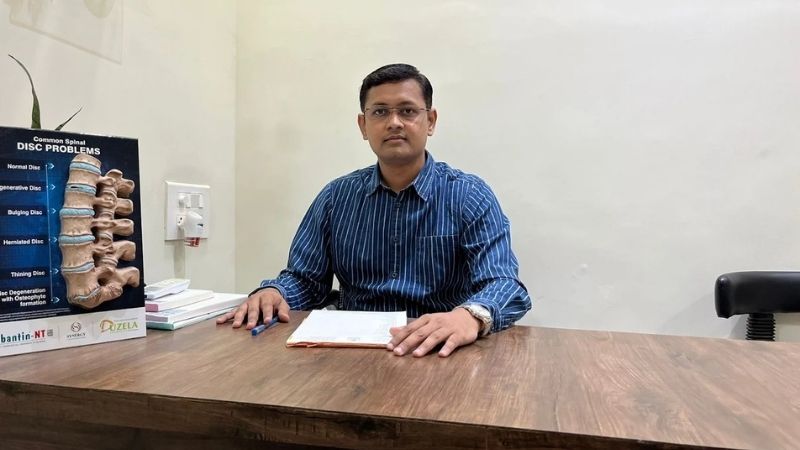
Why Choose Dr. Nikhil Kakani in Nagpur?

In a city where access to advanced neurosurgical care was limited just a few years ago, Dr. Kakani’s clinic offers a reliable solution. What sets this practice apart includes:

1. Clinical Expertise
His specialized training in neurosurgery and spine care equips him to handle complex cases with precision.

2. Evidence‑Based Practice
Diagnosis and treatment decisions are supported by scientific evidence and structured clinical reasoning.

3. Patient Education Focus
Before any intervention, patients understand their condition, options, and expected progress.

4. Minimally Invasive Prioritization
Where possible and safe, minimally invasive techniques are recommended to enhance recovery.

5. Integrated Care Model
Neurology, physiotherapy, rehabilitation, and follow‑up are coordinated to support long‑term health.

As a result, patients benefit from both surgical skill and structured care planning. In conjunction with advanced diagnostics, this collaborative framework elevates overall treatment quality.

How to Book a Consultation

To consult Dr. Nikhil Kakani or schedule an assessment at Brain Spine and Dental Super Speciality Clinic:

Call for Appointment: +91‑72761‑35101

Visit Clinic: Ramdaspeth, Nagpur, Maharashtra, India

During the first visit, patients are advised to bring relevant medical records, imaging studies, and a list of symptoms. This preparation helps the neurosurgical team evaluate conditions efficiently and plan next steps without delay.

Conclusion

Selecting the right spine surgeon directly influences surgical success. At Dr. Kakani’s clinic, Disc Replacement Surgery is approached with detailed diagnostic evaluation and individualized planning. Rather than adopting a one-size-fits-all approach, treatment decisions are customized according to each patient’s spinal pathology. Furthermore, the clinic emphasizes patient education, transparent communication, and structured rehabilitation protocols. Modern surgical infrastructure supports precision and safety. Consequently, patients receive comprehensive care from initial consultation to long-term follow-up. For individuals seeking Disc Replacement Surgery in Nagpur, the clinic provides a balanced approach that combines surgical expertise with patient-centered management.

Frequently Asked Questions (FAQs)

1. Is Disc Replacement Surgery suitable for everyone?
No. Only patients with specific indications such as single-level degenerative disc disease qualify.

2. How long does the artificial disc last?
Modern implants are designed for long-term durability, often lasting many years under normal activity.

3. Is recovery faster than spinal fusion?
In many cases, yes, because spinal motion is preserved.

4. Will I need physiotherapy after surgery?
Yes. Structured rehabilitation is essential for optimal recovery.

5. Are there age limitations?
Typically, patients between 25 and 60 years are considered ideal candidates, depending on bone health.

6. Can disc replacement fail?
Although rare, implant complications may require revision surgery.

Connect with Dr. Nikhil Kakani Online – Stay Informed About Brain & Spine Health
Call Now Button