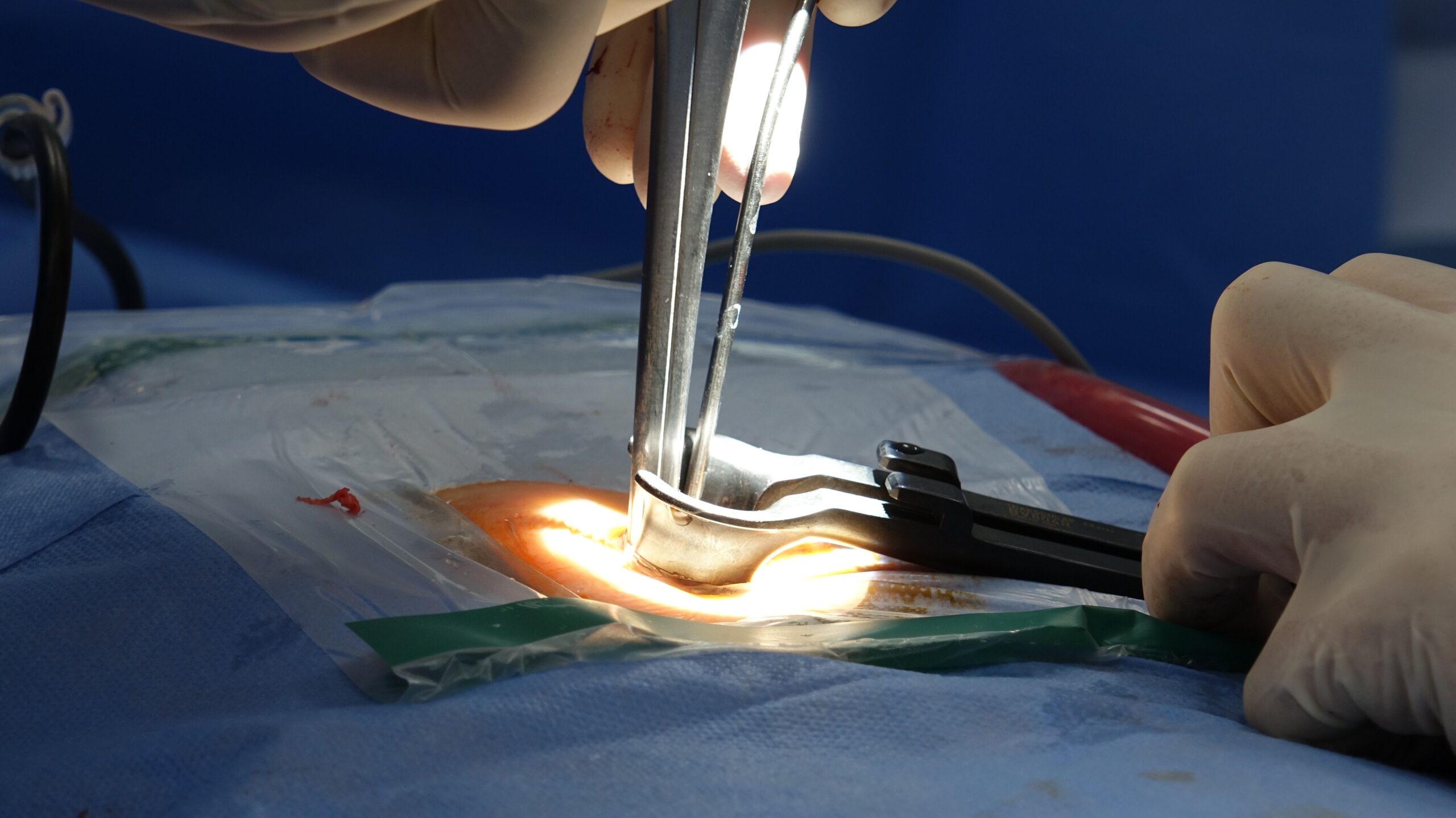
Advanced Spine Care With a Minimally Invasive Approach
Persistent back or leg pain can make simple activities difficult. Therefore, patients often explore advanced treatment options when medicines and physiotherapy do not provide enough relief. Endoscopic Spine Surgery In Nagpur offers a minimally invasive approach for selected spinal conditions. Moreover, this technique uses a small access point and specialized instruments to reach the affected area.
This approach may help reduce unnecessary disruption to the surrounding muscles and tissues in suitable cases. As a result, some patients may experience less postoperative discomfort, earlier movement, and a quicker return to routine activities. However, recovery depends on the spinal condition, the type of procedure, overall health, and the body’s healing response.
Endoscopic spine surgery may be considered for conditions such as slipped discs, nerve compression, sciatica, foraminal stenosis, and selected cases of spinal stenosis.
Endoscopic Spine Surgery In Nagpur
What Is Endoscopic Spine Surgery?
Endoscopic spine surgery uses a small camera called an endoscope to help the surgeon view and treat specific spinal problems. Moreover, the surgeon uses specialized instruments through a small incision to access the affected area. As a result, this technique can limit disruption to nearby muscles and tissues in suitable cases.
In addition, the surgeon selects the technique according to the location and cause of the spinal problem. Therefore, proper diagnosis remains essential before treatment. However, patients should understand that a smaller incision does not automatically mean that endoscopic surgery provides better results for every condition.
Conditions That May Benefit From Endoscopic Spine Surgery
Several spinal conditions may qualify for an endoscopic approach. However, the surgeon needs to evaluate each case individually before recommending treatment.
Common conditions may include:
- Herniated or slipped discs
- Sciatica caused by nerve compression
- Certain cases of spinal stenosis
- Foraminal stenosis
- Nerve root compression
- Selected lumbar spine conditions
- Some recurrent disc problems
Moreover, the suitability of endoscopic treatment depends on factors such as the location of the problem, severity of compression, previous surgery, and overall spinal health.
How Does Endoscopic Spine Surgery Work?
First, the spine surgeon carefully reviews your symptoms and diagnostic scans. Therefore, the medical team can identify the exact source of the problem. Moreover, the surgeon uses an endoscope to view the treatment area through a small access point.
Next, specialized instruments help the surgeon address the affected tissue or relieve nerve compression when appropriate. As a result, the procedure can minimize unnecessary tissue disruption in selected cases. However, the exact surgical steps vary according to the patient’s diagnosis.
Benefits of Endoscopic Spine Surgery
Endoscopic techniques can provide potential benefits for carefully selected patients. Moreover, the smaller access point may reduce disruption to surrounding muscles and tissues. Therefore, some patients may experience less postoperative discomfort and a quicker early recovery.
Potential benefits may include:
- Smaller surgical incision
- Less muscle disruption in suitable procedures
- Reduced postoperative discomfort for some patients
- Earlier mobility in selected cases
- Shorter hospital stay in appropriate situations
- Smaller visible scar
- Faster return to routine activities for suitable patients
However, outcomes vary from person to person. Therefore, your surgeon should explain the expected benefits based on your specific condition.
Endoscopic Spine Surgery for Slip Disc
A slipped or herniated disc can place pressure on nearby nerves and cause back pain, leg pain, numbness, or weakness. Therefore, patients with persistent symptoms may need specialist evaluation. Moreover, selected disc problems can qualify for endoscopic treatment when conservative care does not provide adequate relief.
However, many disc-related conditions improve without surgery. Therefore, doctors generally consider the severity of symptoms, neurological findings, imaging results, and response to non-surgical treatment before recommending an operation.
Endoscopic Spine Surgery In Nagpur
Endoscopic Treatment for Sciatica
Sciatica can cause pain that travels from the lower back into the buttock and leg. Moreover, nerve compression from a disc problem or other spinal condition can trigger these symptoms. Therefore, identifying the underlying cause remains important before choosing treatment.
In selected patients, endoscopic spine surgery can help address the source of nerve compression. However, the surgeon must confirm that the spinal problem matches the symptoms and imaging findings before recommending surgery.
Who May Need Endoscopic Spine Surgery?
Patients with persistent symptoms may benefit from an endoscopic evaluation when non-surgical treatments fail to provide adequate improvement. Moreover, doctors may consider the procedure for selected patients with nerve compression or specific disc-related problems.
However, severe spinal instability, certain deformities, extensive spinal disease, or other complex conditions may require a different surgical approach. Therefore, an experienced spine surgeon should determine the most appropriate treatment after a detailed assessment.
Diagnosis Before Endoscopic Spine Surgery
Accurate diagnosis helps the surgeon choose the right treatment. Therefore, your consultation may include a physical examination and neurological assessment. Moreover, the doctor may review MRI, CT scans, or X-rays to understand the spine’s structure and identify nerve compression.
In addition, your doctor will consider your symptoms and medical history rather than relying only on imaging. As a result, the treatment plan can address the actual cause of your problem.
Endoscopic Spine Surgery In Nagpur
Recovery After Endoscopic Spine Surgery
Recovery varies according to the procedure, spinal condition, and overall health. Therefore, your surgeon will provide personalized instructions after treatment. Moreover, you may need gradual activity progression, medication, exercises, and follow-up appointments.
In addition, physiotherapy can support strength, flexibility, posture, and mobility when your doctor recommends it. However, patients should avoid strenuous activities until their surgeon confirms that they can safely resume them.
Why Choose Endoscopic Spine Surgery In Nagpur?
Patients searching for Endoscopic Spine Surgery In Nagpur often want advanced treatment with a minimally invasive approach. Moreover, choosing an experienced spine surgeon can help ensure proper diagnosis, careful surgical planning, and appropriate follow-up.
Therefore, consider the surgeon’s experience with endoscopic techniques, diagnostic facilities, hospital support, and rehabilitation services. In addition, discuss the expected results, possible risks, alternatives, and recovery timeline before making your decision.
Is Endoscopic Spine Surgery Safe?
Every surgical procedure carries potential risks. However, careful patient selection, accurate diagnosis, appropriate surgical planning, and experienced medical care can help manage these risks. Therefore, your surgeon should discuss the potential benefits and risks before treatment.
Moreover, endoscopic surgery may not provide the right solution for every spinal problem. As a result, patients should choose the procedure based on medical suitability rather than the size of the incision alone.
When Should You See a Spine Specialist?
Persistent back pain, leg pain, numbness, tingling, or weakness can require specialist evaluation. Moreover, symptoms that continue despite appropriate treatment may indicate an underlying spinal problem that needs further assessment.
However, sudden severe weakness, difficulty walking, or loss of bladder or bowel control requires urgent medical attention. Therefore, seek prompt medical care when serious neurological symptoms appear.
Book An Appointment For Spondylitis Treatment In Nagpur
Endoscopic Spine Surgery In Nagpur
If persistent back or leg pain affects your daily activities, consider consulting a qualified spine specialist. Moreover, early evaluation can help identify the cause of your symptoms and guide appropriate treatment.
Therefore, if you are looking for Endoscopic Spine Surgery In Nagpur, schedule a consultation with an experienced spine surgeon. Discuss your symptoms, scan reports, treatment options, expected recovery, and possible alternatives before proceeding with surgery.
Book An Appointment
Frequently Asked Questions
Connect with Dr. Nikhil Kakani Online – Stay Informed About Brain & Spine Health