Paralysis Treatment In Nagpur
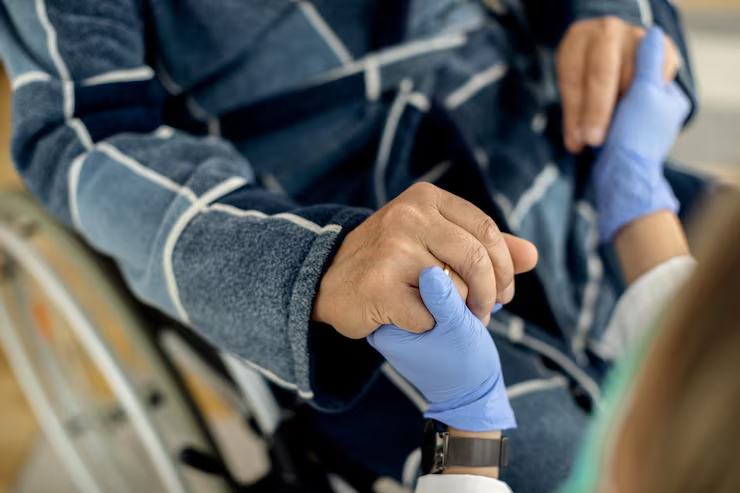
The Paralysis can suddenly change the way a person moves, communicates, works, and manages everyday activities. Moreover, weakness or loss of movement can affect one side of the body, both legs, an arm, or several muscle groups depending on the underlying condition. Therefore, people searching for Paralysis Treatment In Nagpur should seek prompt evaluation from an experienced neurologist or neurospecialist. In addition, doctors need to identify the cause before recommending treatment. As a result, timely diagnosis can help the medical team plan appropriate treatment, rehabilitation, and long-term support.
Paralysis can develop after a stroke, spinal cord injury, brain injury, nerve problem, or certain neurological conditions.
Paralysis Treatment In Nagpur
What Is Paralysis?
Paralysis refers to a significant loss of voluntary muscle movement. Moreover, the condition can affect different parts of the body depending on where the nervous system has suffered damage. Therefore, paralysis can involve an arm, leg, one side of the body, or multiple limbs. In addition, some people may experience complete loss of movement, while others may retain limited movement or strength. However, paralysis itself describes a symptom rather than one specific disease. As a result, doctors must identify the underlying cause before choosing treatment.
What Causes Paralysis?
Several conditions can interfere with the brain, spinal cord, nerves, or muscles that control movement. Moreover, the cause can develop suddenly or gradually. Therefore, common causes may include:
- Stroke
- Brain injury
- Spinal cord injury
- Brain tumors
- Spinal cord tumors
- Nerve compression
- Certain neurological disorders
- Infections affecting the nervous system
- Autoimmune neurological conditions
- Certain metabolic or vascular conditions
In addition, one patient may have more than one factor contributing to weakness or movement loss. As a result, detailed neurological evaluation remains important.
Types Of Paralysis
Doctors describe paralysis according to the body areas that lose movement. Moreover, understanding the pattern can help doctors assess the possible location of nervous system damage. Therefore, paralysis may include:
- Monoplegia affecting one limb
- Hemiplegia affecting one side of the body
- Paraplegia affecting both legs or the lower body
- Quadriplegia affecting all four limbs
- Partial paralysis with some retained movement
In addition, the pattern can change according to the underlying condition. As a result, your neurologist should assess movement, sensation, reflexes, coordination, and other neurological functions.
Symptoms Associated With Paralysis
Paralysis can involve more than an inability to move. Moreover, patients may experience changes in sensation, coordination, balance, or muscle control. Therefore, seek medical evaluation if you notice:
- Sudden weakness
- Loss of movement
- Weakness on one side of the body
- Difficulty walking
- Difficulty using an arm or hand
- Numbness or altered sensation
- Poor balance
- Difficulty coordinating movements
- Speech difficulties
- Difficulty swallowing
- Changes in bladder or bowel control
However, symptoms can vary according to the underlying cause. As a result, doctors need a complete neurological assessment.
Sudden Paralysis Requires Emergency Care
Sudden weakness or paralysis can indicate a serious neurological emergency. Moreover, stroke can cause sudden weakness, facial drooping, speech difficulty, vision problems, or loss of coordination. Therefore, seek emergency medical attention immediately when these symptoms appear suddenly. In addition, rapid assessment can help doctors determine whether urgent treatment can reduce the risk of permanent neurological damage. However, do not wait for symptoms to improve on their own. As a result, immediate medical care can be critical when paralysis develops suddenly.
Paralysis Treatment In Nagpur
Paralysis After Stroke
Stroke represents an important cause of sudden weakness or paralysis. Moreover, a stroke can affect the area of the brain responsible for movement, sensation, speech, or coordination. Therefore, doctors need to assess the type and location of the stroke before planning treatment. In addition, rehabilitation can play an important role after the acute stage. However, recovery varies according to the severity of the stroke and other factors. As a result, neurologists and rehabilitation professionals can create a recovery plan according to the patient’s needs.
Paralysis After Brain Injury
A significant brain injury can affect areas responsible for movement and coordination. Moreover, weakness may appear immediately or become noticeable during recovery. Therefore, patients with movement problems after head trauma require neurological assessment. In addition, doctors may use CT, MRI, or other investigations to understand the injury. However, treatment depends on the location and severity of brain damage. As a result, rehabilitation and medical follow-up can help address functional difficulties during recovery.
Paralysis After Spinal Cord Injury
Spinal cord injuries can affect movement and sensation below the level of injury. Moreover, the severity of symptoms depends on the location and extent of spinal cord damage. Therefore, patients require urgent assessment after significant spinal trauma. In addition, doctors may use imaging to evaluate the spinal cord, vertebrae, and surrounding structures. However, treatment and recovery vary considerably between patients. As a result, specialized neurological care and structured rehabilitation remain important.
Paralysis Treatment In Nagpur
Hemiplegia And One-Sided Weakness
Hemiplegia refers to paralysis affecting one side of the body. Moreover, stroke represents a common cause, although other brain conditions can also produce one-sided weakness. Therefore, sudden weakness affecting one side requires emergency assessment. In addition, rehabilitation can help patients work on strength, balance, coordination, and everyday movement. However, recovery depends on the underlying cause and severity. As a result, individualized rehabilitation remains an important part of care.
Paraplegia And Lower-Body Paralysis
Paraplegia primarily affects movement in the lower part of the body. Moreover, spinal cord injuries can cause paraplegia along with changes in sensation and bladder or bowel function. Therefore, patients require comprehensive neurological and rehabilitation assessment. In addition, treatment may focus on managing the underlying condition, preventing complications, improving independence, and supporting functional goals. However, recovery differs significantly between individuals. As a result, the medical team should create a personalized long-term care plan.
Book An Appointment For Paralysis Treatment In Nagpur
Paralysis Treatment In Nagpur
Paralysis can change your mobility and independence, but appropriate medical evaluation can help you understand what comes next. Moreover, timely diagnosis can identify the underlying neurological or spinal condition and guide treatment. Therefore, if you are searching for Paralysis Treatment In Nagpur, schedule a consultation with an experienced neurologist or neurospecialist.
In addition, bring previous MRI or CT reports, prescriptions, medical records, discharge summaries, and details of previous treatment when available. As a result, your specialist can review your history and develop an individualized treatment and rehabilitation plan. Book An Appointment
Frequently Asked Questions
Connect with Dr. Nikhil Kakani Online – Stay Informed About Brain & Spine Health