Herniated Disc Treatment In Nagpur
A herniated disc can make simple activities such as walking, sitting, bending, working, or sleeping uncomfortable. Moreover, irritation around a spinal nerve can cause pain that travels into the arm or leg. Therefore, people searching for Herniated Disc Treatment In Nagpur should consult an experienced spine specialist for a detailed evaluation. In addition, proper diagnosis can help identify whether the disc causes nerve compression or another spinal condition causes the symptoms. As a result, personalized treatment can focus on relieving symptoms, improving movement, and supporting a gradual return to daily activities.
A herniated disc does not always require surgery. Moreover, many patients improve with appropriate non-surgical care, depending on the severity of symptoms and nerve involvement.
Herniated Disc Treatment In Nagpur
What Is A Herniated Disc?
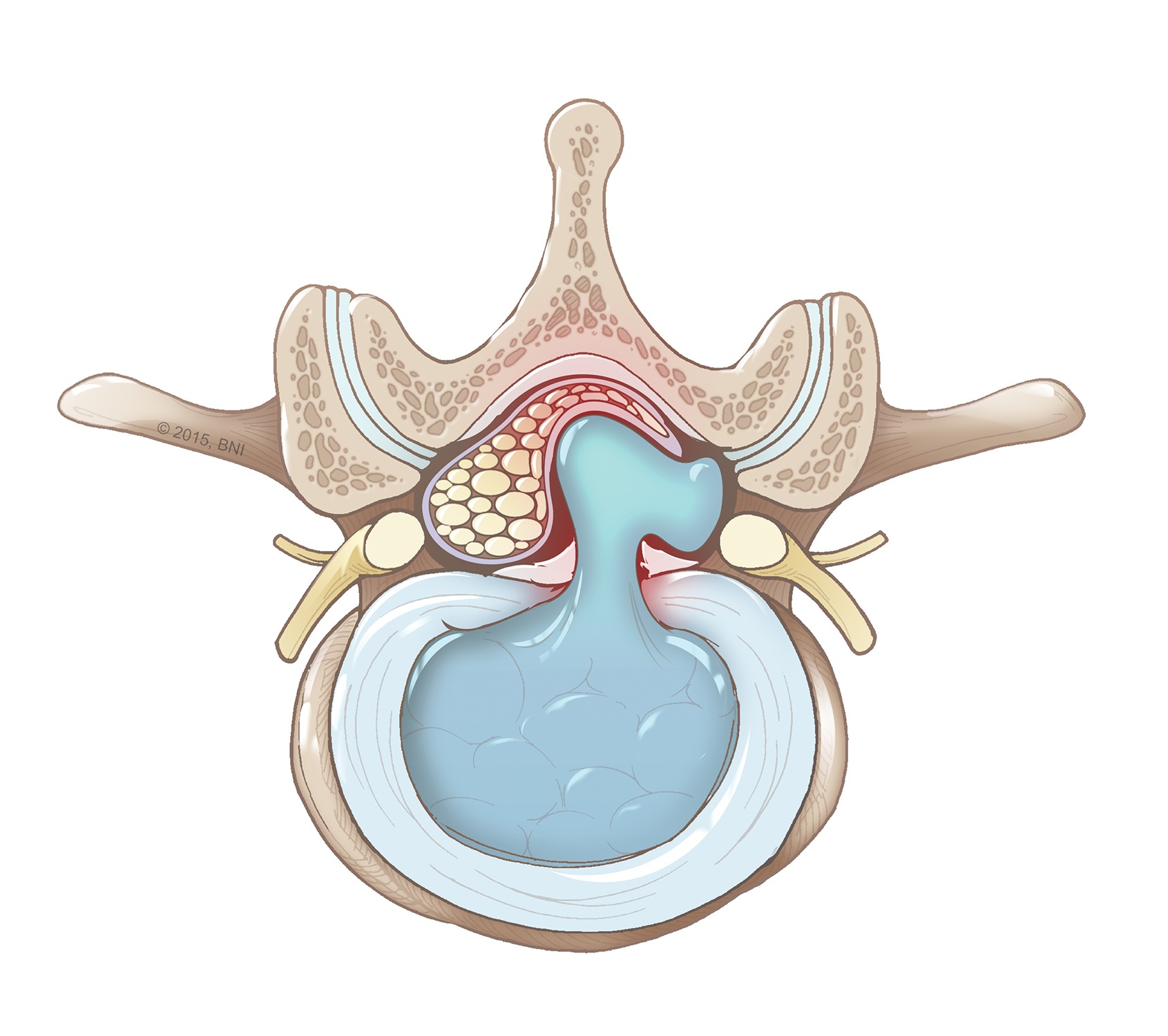
A herniated disc occurs when material from inside a spinal disc pushes through a weakened or damaged outer layer. Moreover, the displaced disc material can irritate or compress nearby nerves. Therefore, patients may experience back or neck pain along with symptoms that travel into an arm or leg. In addition, the location of the herniated disc determines which nerves may become affected. However, some herniated discs cause few or no symptoms. As a result, doctors need clinical evaluation and appropriate imaging before deciding whether the disc actually causes your discomfort.
What Causes A Herniated Disc?
Several factors can contribute to disc herniation. Moreover, discs can gradually lose flexibility as they undergo normal age-related changes. Therefore, repeated stress, poor lifting techniques, sudden movements, or certain injuries can contribute to disc problems. In addition, body weight, occupation, and physical activity can influence the stress placed on the spine. However, disc herniation can occur even without one obvious injury. As a result, your specialist should consider your complete history rather than assume a single cause.
Common Risk Factors For Disc Herniation
Certain factors can increase the likelihood of developing a herniated disc. Moreover, repeated spinal stress can place additional demands on the discs. Therefore, your doctor may consider factors such as:
- Age-related disc changes
- Repetitive lifting
- Poor lifting technique
- Physically demanding work
- Prolonged sitting
- Excess body weight
- Sudden twisting movements
- Previous spinal injuries
- Reduced muscle strength
- Smoking
In addition, several factors can occur together. As a result, a personalized evaluation can help identify factors that may contribute to your symptoms.
Symptoms Of A Herniated Disc
Symptoms depend on the location and extent of the disc problem. Moreover, nerve irritation can produce symptoms beyond the spine itself. Therefore, consider a spine consultation if you experience:
- Neck or lower back pain
- Pain spreading into an arm or leg
- Tingling
- Numbness
- Muscle weakness
- Burning or shooting pain
- Difficulty bending or moving
- Leg pain during walking
- Arm pain during neck movement
- Reduced ability to perform daily activities
However, these symptoms can occur with several spinal conditions. As a result, professional diagnosis remains essential.
Herniated Disc In The Neck
A cervical herniated disc can affect nerves in the neck and upper limb. Moreover, nerve irritation may cause neck pain that travels toward the shoulder, arm, or hand. Therefore, persistent neck pain with numbness, tingling, or weakness deserves specialist evaluation. In addition, your doctor can assess reflexes, muscle strength, sensation, and neck movement. However, not every cervical disc problem requires surgery. As a result, your specialist can recommend treatment according to the severity of nerve involvement.
Herniated Disc Treatment In Nagpur
Non-Surgical Herniated Disc Treatment
Many patients can improve through appropriate non-surgical treatment. Moreover, doctors usually consider conservative care before surgery when no urgent neurological problem exists. Therefore, treatment may include:
- Physiotherapy
- Activity modification
- Therapeutic exercises
- Strengthening programs
- Flexibility exercises
- Pain-management strategies
- Medicines when clinically appropriate
- Posture guidance
- Movement education
- Gradual return to activity
In addition, your doctor can monitor your symptoms and modify treatment according to your response. As a result, suitable patients may manage disc-related symptoms without an operation.
Physiotherapy For Herniated Disc
Physiotherapy can support recovery by improving movement, strength, flexibility, and functional control. Moreover, a physiotherapist can design exercises according to the location and severity of your disc problem. Therefore, your program may include mobility exercises, stretching, core strengthening, posture work, and functional training. In addition, gradual progression can help you return to everyday activities. However, exercises should not significantly increase radiating pain, numbness, or weakness. As a result, professional guidance can help you exercise more safely.
Exercises For A Herniated Disc
Suitable exercises can help improve supporting muscle strength and movement. Moreover, prolonged inactivity can contribute to stiffness and reduced conditioning. Therefore, your physiotherapist may recommend controlled exercises according to your symptoms. In addition, strengthening the core and supporting muscles can improve functional movement in appropriate cases. However, no single exercise suits every disc problem. As a result, follow a personalized exercise program rather than copying routines from the internet.
Herniated Disc Treatment In Nagpur
Activity Modification
Certain activities can temporarily increase disc-related symptoms. Moreover, repetitive bending, heavy lifting, twisting, or prolonged sitting may aggravate discomfort in some patients. Therefore, your specialist may recommend temporary activity changes. In addition, gradual return to normal activity can help you rebuild tolerance. However, avoiding all movement for long periods can contribute to weakness and stiffness. As a result, balanced activity modification can support recovery while protecting the spine.
Medicines For Herniated Disc Pain
Doctors may recommend medicines to manage pain or inflammation when clinically appropriate. Moreover, the suitable medicine depends on your symptoms, medical history, other medicines, and overall health. Therefore, discuss pain-management options with your healthcare professional before starting or changing medication. In addition, your doctor can explain appropriate use and possible risks. However, medication generally manages symptoms rather than directly correcting the structural disc problem. As a result, doctors often combine symptom management with rehabilitation and activity guidance.
Book An Appointment For Herniated Disc Treatment In Nagpur
Herniated Disc Treatment In Nagpur
Persistent back or neck pain can interfere with work, sleep, exercise, and everyday activities. Moreover, an orthopedic or spine consultation can help identify whether a herniated disc causes your symptoms and explain suitable treatment options. Therefore, if you are searching for Herniated Disc Treatment In Nagpur, schedule an appointment with an experienced spine specialist for a detailed evaluation.
In addition, bring previous MRI or CT reports, X-rays, prescriptions, and relevant medical records when available. As a result, your specialist can review your history and develop an individualized treatment plan. Book An Appointment
Frequently Asked Questions
Connect with Dr. Nikhil Kakani Online – Stay Informed About Brain & Spine Health