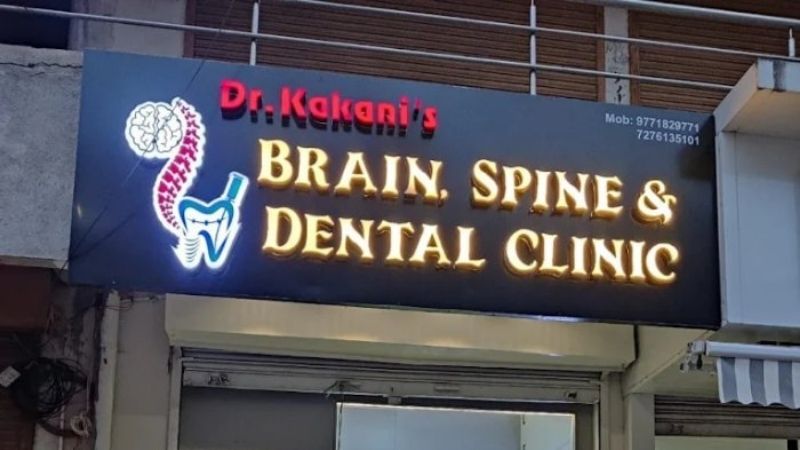
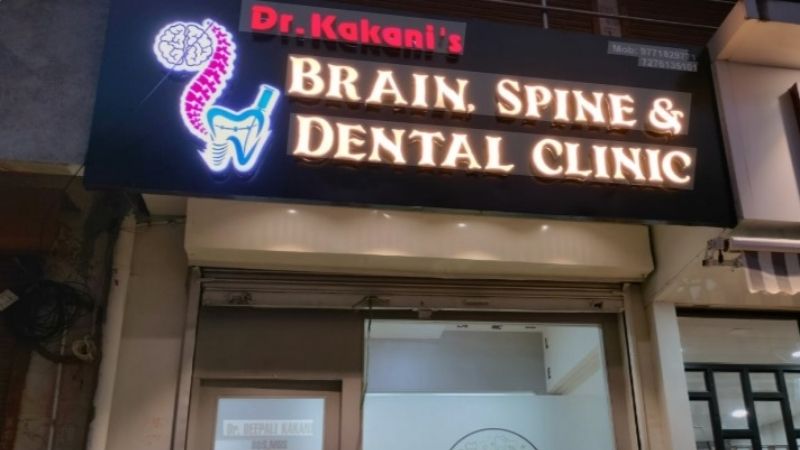
Dr. Kakani's Brain Spine and Dental Super Speciality Clinic

Brain Tumor Treatment in Nagpur – Expert Care for Neurological Health

Brain tumors represent a serious neurological condition that requires precise diagnosis, individualized treatment planning, and coordinated long‑term care. Because a tumor in the brain can affect cognition, movement, speech, sensation, or balance, early specialist evaluation improves both clinical outcomes and quality of life. Therefore, rather than delaying consultation or relying solely on symptom relief, patients benefit from structured care delivered by experienced specialists.

At Dr. Kakani’s Brain Spine & Dental Super Speciality Clinic, individuals receive comprehensive evaluation supported by advanced imaging, multidisciplinary treatment planning, accurate surgical management when required, and continuous follow‑up. Because brain tumors vary widely in type, location, and clinical impact, personalized care yields better outcomes than generalized approaches.

Brain Tumor Treatment in Nagpur

Understanding Brain Tumors and Their Impact

A brain tumor develops when cells in the brain or its coverings begin to grow abnormally. Some tumors originate within the brain itself, which are called primary tumors; whereas others spread from cancers elsewhere in the body, known as metastatic or secondary tumors. Both categories can exert pressure on surrounding brain tissue, disrupt neurological pathways, and alter normal brain function.

Tumors may be benign, meaning they grow slowly and do not invade neighboring structures; however, even benign tumors can cause significant symptoms if they compress critical regions. Malignant tumors grow more aggressively, invade surrounding tissue, and may require an integrated approach involving surgery, radiotherapy, and chemotherapy.

Because each tumor behaves differently, treatment must align with its biological characteristics, anatomical location, and impact on neurological function.

Common Symptoms That Signal a Brain Tumor

Brain tumor symptoms often develop gradually, which leads some patients to delay evaluation. However, early detection significantly expands treatment options and improves outcomes. Common symptoms include persistent headaches that worsen over time, nausea or vomiting without clear cause, seizures in individuals without prior history, unexplained balance disturbances, personality changes, and progressive weakness or numbness in limbs.

Other signs may include visual disturbances, difficulty speaking, memory loss, or unexplained cognitive changes. When such symptoms coincide with neurological deficits on examination, imaging studies become essential to determine whether structural lesions exist.

Whenever symptoms appear persistent, progressive, or interfere with daily life, seeking specialist evaluation without delay is crucial.

Accurate Diagnosis: The First Step in Brain Tumor Treatment

Accurate diagnosis remains the foundation of effective brain tumor management. Therefore, the evaluation begins with a detailed clinical history and neurological examination, where specialists assess reflexes, muscle strength, coordination, sensation, speech, and cognitive function. These findings guide subsequent investigations and help localize the potential area of concern.

Advanced imaging techniques such as Magnetic Resonance Imaging (MRI) play a central role in detecting and characterizing brain tumors. MRI provides high‑resolution images of brain structures and can distinguish tumor tissue from normal brain matter. In selected cases, Computed Tomography (CT) scans may complement MRI to assess bone involvement or when MRI is unavailable.

In addition to imaging, some patients require further tests such as Positron Emission Tomography (PET) scans, which help differentiate between aggressive and less aggressive tumor cells. Biopsy procedures, where a small tissue sample is obtained and examined under a microscope, remain the gold standard for confirming tumor type and guiding treatment decisions.

Because brain tumors vary in behavior and responsiveness to therapy, initial diagnostic precision ensures that subsequent management aligns with the true pathological characteristics.

Personalized Treatment Planning

Once diagnosis is established, the treatment team develops a personalized plan suited to the patient’s condition. Because brain tumors differ widely — some are slow‑growing while others are highly aggressive — treatment strategies vary. Therefore, specialists consider tumor type, size, location, patient age, overall health, neurological status, and personal preferences before recommending specific therapies.

The main treatment modalities include surgery, radiotherapy, chemotherapy, targeted therapy, and supportive care. In many cases, combinations of these approaches work together to control tumor growth, relieve symptoms, and improve neurological function.

Because every case presents unique challenges, treatment planning at Dr. Kakani’s clinic involves multidisciplinary coordination, which ensures that medical, surgical, and supportive aspects align with evidence‑based protocols rather than being applied generically.

Surgical Management of Brain Tumors

Surgery remains the primary treatment for many brain tumors, particularly when the tumor is accessible, localized, and causing significant mass effect or neurological impairment. Surgical objectives include maximal safe removal of tumor tissue while preserving critical brain functions.

During surgery, specialized tools such as neuronavigation systems, intraoperative imaging, and neuromonitoring support precision. These technologies help surgeons distinguish tumor tissue from healthy brain matter and avoid injury to essential motor, sensory, or cognitive regions. As a result, functional outcomes improve and complication rates decrease.

Sometimes complete resection is not possible due to tumor location near vital structures. In such cases, debulking — partial removal of the tumor — reduces mass effect, alleviates symptoms, and creates a better foundation for adjunctive therapies like radiation or chemotherapy.

Post‑surgical monitoring in an intensive care setting ensures that neurological function is observed continuously, potential complications are detected early, and appropriate interventions are provided in a timely manner.

Radiotherapy and Fractionated Treatment

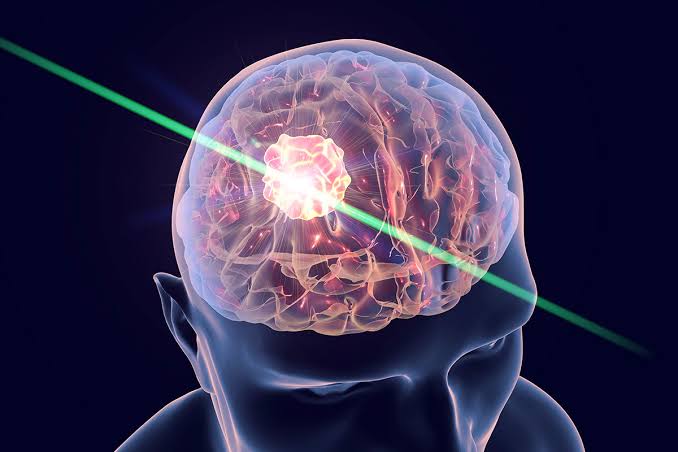
Radiotherapy becomes essential when surgical removal is incomplete, when tumors are located in surgically inaccessible regions, or when microscopic tumor cells remain that cannot be fully excised. Modern radiotherapy techniques deliver focused radiation doses that target tumor cells while sparing adjacent normal tissue.

Because brain tissue is sensitive, precision matters. Techniques such as stereotactic radiosurgery (SRS) or intensity‑modulated radiation therapy (IMRT) shape radiation beams to conform to tumor geometry. Consequently, effective doses reach the tumor while minimizing collateral damage.

Radiotherapy often occurs over multiple sessions, known as fractions, which allows healthy cells to recover between treatments while tumor cells incur cumulative damage. This approach balances effectiveness with safety, reduces side effects, and enhances local tumor control.

Chemotherapy and Targeted Drug Therapies

Chemotherapy uses systemic medications to kill or slow the growth of tumor cells. Unlike surgery or radiotherapy, chemotherapy treats tumor cells that may have spread beyond the primary mass. Agents are chosen based on tumor type, molecular profile, and expected responsiveness.

In recent years, targeted therapies have revolutionized brain tumor treatment for certain tumor subtypes. These therapies interfere with molecular pathways that drive tumor growth. As a result, targeted agents often demonstrate improved effectiveness with fewer systemic side effects compared to traditional chemotherapy.

For example, tumors with specific genetic mutations or markers may respond preferentially to targeted inhibitors, which disrupt pathways essential for tumor survival.

Importantly, chemotherapy and targeted therapy planning often occurs in multidisciplinary discussions, allowing integration with radiotherapy and surgical timing to maximize overall effectiveness.

Immunotherapy and Emerging Treatments

In selected cases, immunotherapy — which enhances the body’s immune response against cancer cells — may have a role. Because brain tumors often evade immune surveillance, immunotherapeutic strategies aim to re‑engage immune cells against tumor antigens. Although research in this area continues to evolve, promising results have emerged in specific tumor types.

Emerging treatments including gene therapy and vaccine approaches also represent frontier strategies, particularly in recurrent or malignant brain tumors that resist conventional therapy. Therefore, when appropriate, patients may access clinical trials or advanced therapies under specialist guidance, contributing to both individual outcomes and broader scientific advancement.

Supportive Care and Symptom Management

Because brain tumors affect neurological function and overall well‑being, supportive care remains integral to treatment. This includes management of pain, seizures, headaches, nausea, cognitive difficulties, and emotional support. Specialist neuro‑oncology teams collaborate with physiotherapists, occupational therapists, speech therapists, psychologists, and social workers to address diverse patient needs.

Seizure control, for example, may require medication adjustments, diet modifications, or safety planning. Similarly, managing headache and nausea improves comfort and supports participation in rehabilitation. Cognitive therapy helps with memory, attention, and problem‑solving difficulties that sometimes accompany brain tumor effects or treatment side effects.

Comprehensive supportive care ensures that treatment extends beyond disease control to functional and quality‑of‑life improvements.

Rehabilitation and Functional Recovery

Rehabilitation begins once acute treatment stabilizes neurological status. Physical therapy focuses on strength, balance, coordination, and gait training. Occupational therapy assists patients in regaining independence in activities of daily living, such as dressing, feeding, and self‑care. Speech therapy supports language and swallowing function when affected.

Therapeutic plans adapt continuously based on progress and functional status. Because every patient’s recovery trajectory differs, rehabilitation remains personalized rather than uniform. Continuity of care ensures that gains made during therapy translate into meaningful improvements in daily life

Long‑Term Monitoring and Follow‑Up

Brain tumor treatment does not end with immediate post‑treatment recovery; instead, long‑term monitoring remains essential. Regular imaging studies such as MRI help detect recurrence or early progression. Periodic clinical evaluations monitor neurological function, cognitive changes, and functional capacity.

Because recurrent or residual tumors may require additional therapy, early detection enhances treatment options. For example, small recurrent lesions detected early may be amenable to stereotactic radiosurgery rather than open surgery.

Follow‑up care also addresses late effects of treatment such as radiation‑induced changes, medication side effects, or delayed functional challenges.

Pediatric Brain Tumor Treatment

Children with brain tumors require specialized care tailored to growth, development, and age‑specific physiological considerations. Pediatric tumors often differ in type and behavior from adult tumors, which necessitates dedicated clinical expertise. Chemotherapy regimens, radiation plans, and surgical strategies differ in pediatric populations to balance disease control with developmental preservation.

In addition to direct treatment, pediatric care includes educational support, developmental monitoring, family counseling, and long‑term neuropsychological evaluation. Because growth and neurological development interact closely, integrated pediatric neuro‑oncology care supports both disease management and developmental trajectory.

When to Seek Urgent Evaluation

Certain symptoms require immediate clinical assessment rather than routine scheduling. Rapid onset of neurological deficits, sudden worsening of headaches, loss of consciousness, progressive weakness, vision changes, or signs of increased intracranial pressure such as vomiting or confusion indicate urgent intervention. Likewise, loss of bladder or bowel control or seizure clusters necessitate prompt emergency evaluation. Rapid response in these situations prevents irreversible neurological damage and stabilizes life‑threatening conditions.

How to Prepare for a Specialist Consultation

Preparation enhances consultation efficiency and clinical accuracy. Patients should bring prior imaging studies such as MRI or CT scans, a list of current medications, and a detailed description of symptoms including onset, progression, triggers, and associated changes. Written documentation of functional limitations, prior treatments, and response to therapy further supports focused evaluation. Engaging in shared dialogue and asking specific questions regarding prognosis, treatment timelines, and rehabilitation strengthens clinical partnership.

Why Choose Dr. Kakani’s Clinic for Brain Tumor Treatment in Nagpur

Selecting an experienced and multidisciplinary care team profoundly influences treatment success. At Dr. Kakani’s Brain Spine & Dental Super Speciality Clinic, patients benefit from comprehensive diagnostic work‑ups, advanced imaging support, personalized treatment planning, minimally invasive surgical options when appropriate, structured rehabilitation programs, and continuous follow‑up care.

Because brain tumor management demands both precision and compassion, integrated care pathways ensure that clinical decisions align with evidence‑based protocols and patient‑centered goals.

How to Book a Consultation

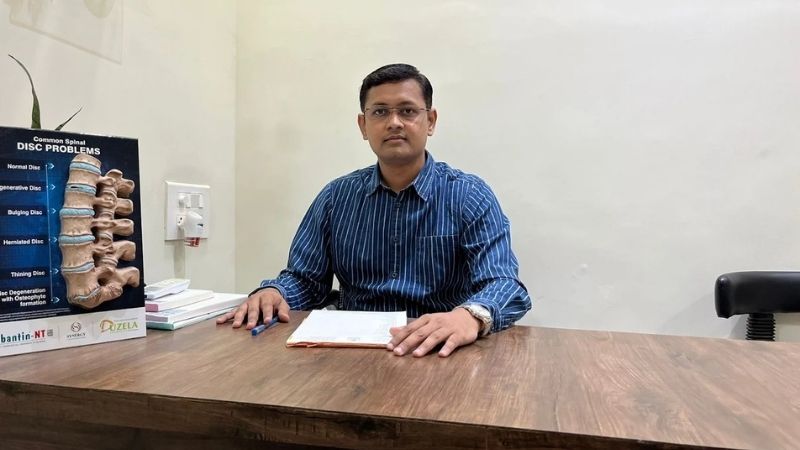
To consult Dr. Nikhil Kakani or schedule an assessment at Brain Spine and Dental Super Speciality Clinic:

Call for Appointment: +91‑72761‑35101

Visit Clinic: Ramdaspeth, Nagpur, Maharashtra, India

During the first visit, patients are advised to bring relevant medical records, imaging studies, and a list of symptoms. This preparation helps the neurosurgical team evaluate conditions efficiently and plan next steps without delay.

Conclusion

Brain tumor treatment in Nagpur requires structured evaluation, individualized therapy planning, effective surgical and non‑surgical interventions, and long‑term follow‑up. Tumors affecting the brain may cause pain, neurological deficits, or cognitive changes that significantly impact daily life. Most patients benefit from early specialist consultation, accurate diagnosis, targeted therapy, and coordinated rehabilitation. At Dr. Kakani’s Brain Spine & Dental Super Speciality Clinic, multidisciplinary care ensures both clinical precision and functional restoration. Rather than tolerating chronic discomfort or uncertainty, seeking timely evaluation empowers patients to regain neurological function, reduce symptoms, and pursue long‑term stability.

FAQs – Brain Tumor Treatment in Nagpur

1. How is a brain tumor diagnosed?
Through clinical evaluation, neurological examination, and imaging such as MRI or CT scans.

2. Can brain tumors be benign?
Yes. Some tumors are non‑cancerous, but they may still need treatment due to compression effects.

3. Is surgery always required?
Not always. Treatment depends on tumor type, location, growth rate, and symptoms.

4. How long is recovery after surgery?
Recovery varies based on the procedure and patient health; rehabilitation improves functional gains.

5. Is long‑term monitoring necessary?
Yes. Regular follow‑up imaging and clinical evaluation are essential for early detection of recurrence.

Connect with Dr. Nikhil Kakani Online – Stay Informed About Brain & Spine Health
Call Now Button