Slip Disc Treatment In Nagpur
Back pain can make sitting, walking, bending, working, or sleeping uncomfortable. Moreover, a slipped disc can sometimes cause pain that travels from the back into the buttock or leg, along with tingling, numbness, or weakness. Therefore, people searching for Slip Disc Treatment In Nagpur should consider a proper evaluation instead of relying only on painkillers or home remedies. In addition, an experienced orthopedic or spine specialist can identify the likely cause and recommend treatment according to the severity of the disc problem. As a result, personalized care can help you understand your condition and work toward better movement and comfort.
A slipped disc does not automatically mean you need surgery. Furthermore, many patients improve with physiotherapy, activity modification, appropriate medicines, exercise, and other conservative treatments.
Slip Disc Treatment In Nagpur
What Is A Slipped Disc?
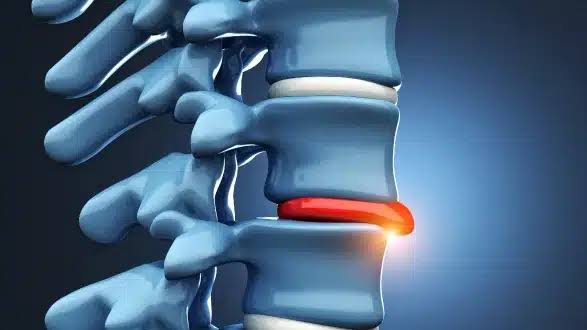
A slipped disc, also called a herniated or prolapsed disc, occurs when material from an intervertebral disc moves beyond its normal boundary and may irritate nearby nerves. Moreover, discs normally help absorb stress between the bones of the spine. Therefore, changes or damage to a disc can sometimes cause pain and other symptoms.
In addition, a slipped disc can occur in the lower back or neck, depending on the affected spinal level. However, not every disc problem causes symptoms. As a result, doctors combine your symptoms with physical examination and appropriate imaging before confirming the diagnosis.
What Causes A Slipped Disc?
Several factors can contribute to disc problems. Moreover, normal age-related changes can gradually affect the flexibility and structure of spinal discs. Therefore, your specialist may consider factors such as:
- Age-related disc changes
- Repeated heavy lifting
- Poor lifting technique
- Sudden twisting movements
- Repetitive physical strain
- Previous back injuries
- Prolonged sitting
- Certain occupational demands
- Excess body weight
- Reduced muscle strength
In addition, several factors can occur together. Consequently, identifying one single cause may not always be possible.
Symptoms Of A Slipped Disc
A slipped disc can produce different symptoms depending on its location and whether it irritates a nearby nerve. Moreover, symptoms can range from mild discomfort to significant functional problems. Therefore, consider a professional evaluation if you experience:
- Lower back pain
- Pain spreading into the buttock or leg
- Neck pain
- Pain travelling into the arm
- Tingling or pins-and-needles
- Numbness
- Muscle weakness
- Difficulty walking
- Pain that increases with certain movements
- Reduced physical activity
However, symptoms can resemble other spinal conditions. As a result, a proper diagnosis remains important before starting treatment.
When Should You See A Slip Disc Specialist?
Occasional back discomfort may improve with simple measures, but persistent symptoms deserve attention. Moreover, pain that repeatedly returns can interfere with work, sleep, exercise, and daily movement. Therefore, consider an orthopedic or spine consultation if you experience ongoing back or neck pain.
In addition, numbness, tingling, weakness, or pain travelling into an arm or leg can indicate nerve involvement. For this reason, professional assessment becomes especially important when neurological symptoms appear.
How Do Doctors Diagnose A Slipped Disc?
Diagnosis starts with your symptoms and medical history. Moreover, your doctor may ask when the pain began, where it travels, which activities worsen it, and whether you experience numbness or weakness. Therefore, the physical examination may assess spinal movement, muscle strength, reflexes, sensation, and walking.
In addition, your specialist may recommend imaging when necessary. MRI can provide detailed information about discs and nerves, while X-rays can help assess bones and alignment. As a result, combining clinical findings with appropriate investigations can provide a clearer diagnosis.
Slip Disc Treatment In Nagpur
Role Of MRI In Slip Disc Diagnosis
MRI can provide detailed images of spinal discs, nerves, and other soft tissues. Moreover, this information can help doctors identify disc changes and possible nerve compression. Therefore, your specialist may recommend an MRI when symptoms or examination findings justify detailed imaging.
In addition, MRI findings can help the surgeon plan treatment when a procedure becomes necessary. However, an MRI report alone does not decide whether you need surgery. As a result, your specialist should interpret the scan alongside your symptoms and physical examination.
Can A Slipped Disc Heal Without Surgery?
Yes, many patients can manage a slipped disc without surgery. Moreover, doctors often consider conservative treatment when symptoms do not indicate an urgent surgical problem. Therefore, your treatment may include:
- Physiotherapy
- Gentle strengthening exercises
- Activity modification
- Movement guidance
- Medicines when appropriate
- Posture improvement
- Core-strengthening programs
- Selected injections when clinically appropriate
In addition, your doctor can monitor your progress and adjust treatment if symptoms change. Consequently, conservative care can provide a suitable treatment pathway for many patients.
When Does A Slipped Disc Need Surgery?
Most patients with a slipped disc do not automatically need an operation. Moreover, specialists generally consider surgery when symptoms remain significant despite appropriate conservative care or when neurological problems require surgical treatment. Therefore, your doctor may consider surgery for selected cases involving:
- Significant nerve compression
- Persistent severe symptoms
- Progressive muscle weakness
- Certain spinal emergencies
- Severe functional limitations
- Symptoms that do not improve with suitable treatment
However, the decision depends on your individual diagnosis and overall health. As a result, your spine specialist should explain the expected benefits, risks, alternatives, and recovery before surgery.
Slip Disc Treatment In Nagpur
Slip Disc Surgery In Nagpur
Selected patients may benefit from surgical treatment when a slipped disc causes significant nerve compression or persistent symptoms. Moreover, surgeons select the procedure according to the location and severity of the disc problem. Therefore, treatment may involve removing material that presses on a nerve or using another procedure suited to the spinal condition.
In addition, your surgeon can explain the surgical approach, expected recovery, possible risks, and rehabilitation requirements. Consequently, understanding the procedure beforehand can help you make a more informed decision.
Endoscopic And Advanced Disc Procedures
Modern spine care may include specialized techniques such as endoscopic procedures for selected patients. Moreover, these approaches can allow surgeons to access certain spinal problems using specialized visualization and instruments. Therefore, your specialist may discuss an advanced procedure when your anatomy and diagnosis support it.
In addition, advanced technology can complement surgical expertise and careful planning. However, technology does not automatically provide better treatment for every patient. As a result, the procedure should match your actual medical requirements.
Book An Appointment For Slip Disc Treatment In Nagpur
Slip Disc Treatment In Nagpur
Persistent back or neck pain can interfere with work, sleep, exercise, and everyday life. Moreover, early evaluation can help identify whether a disc problem, nerve compression, or another condition causes your symptoms. Therefore, if you are searching for Slip Disc Treatment In Nagpur, schedule a consultation with an experienced orthopedic or spine specialist.
In addition, bring previous X-rays, MRI or CT reports, prescriptions, and medical records when available. As a result, your specialist can review your history and explain the most appropriate next step. Book An Appointment
Frequently Asked Questions
Connect with Dr. Nikhil Kakani Online – Stay Informed About Brain & Spine Health