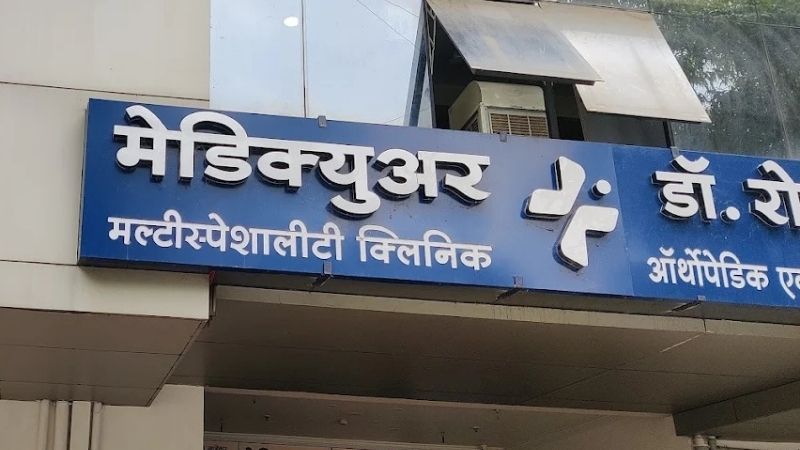
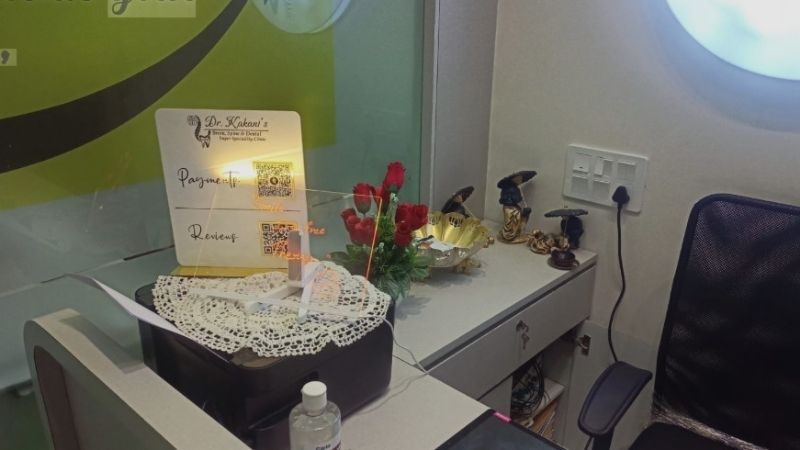
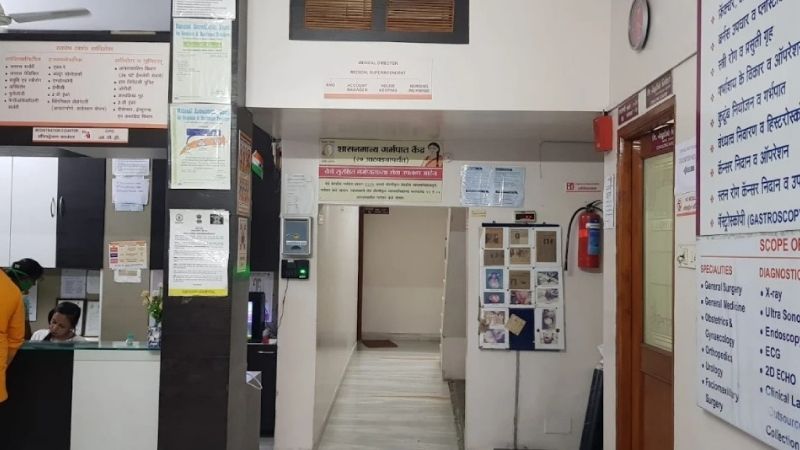
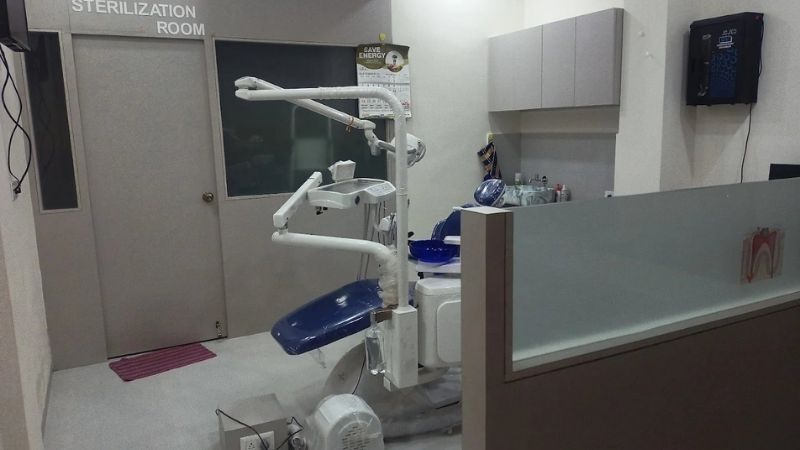
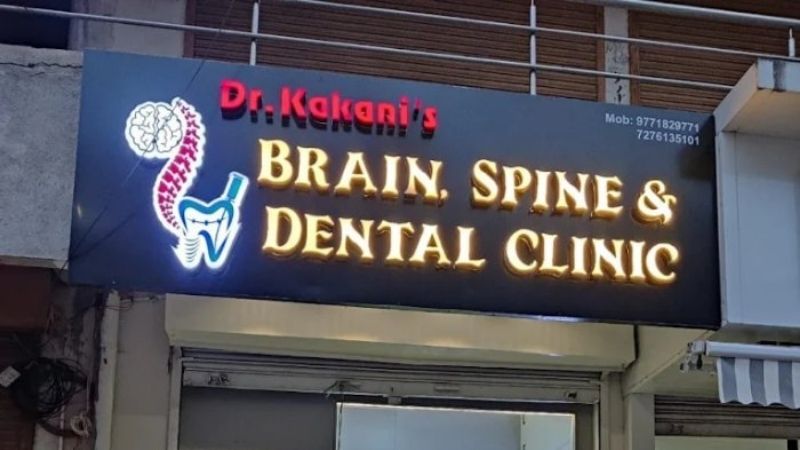
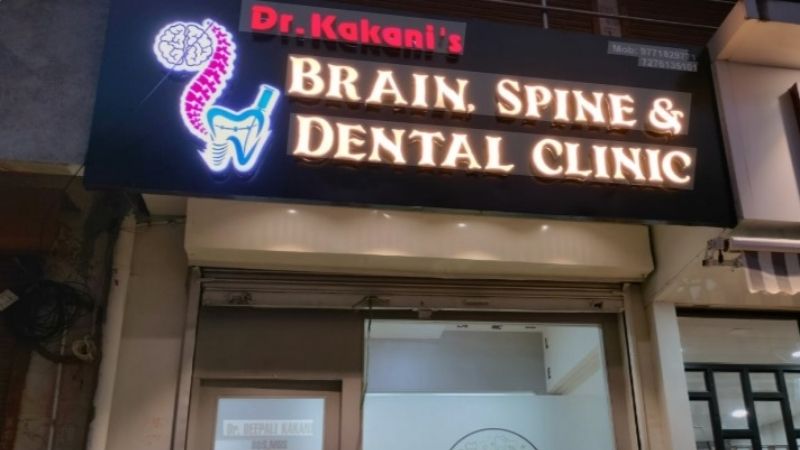
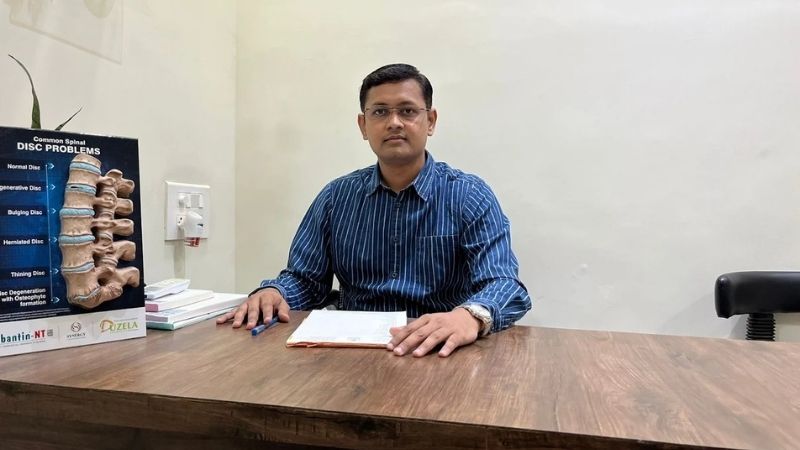
Dr. Kakani's Brain Spine and Dental Super Speciality Clinic

Back Pain Specialist Doctor in Nagpur – Expert Care for Chronic Spine Pain

When persistent back pain begins to interfere with daily life, work, or sleep, consulting a Back Pain Specialist Doctor in Nagpur becomes essential rather than optional. Because back pain can arise from a wide range of causes—such as muscle strain, nerve compression, spinal degeneration, disc herniation, or structural instability—accurate assessment and targeted treatment are critical to lasting relief. Consequently, choosing a specialist who combines detailed clinical evaluation with evidence-based therapeutic planning significantly improves outcomes. At Dr. Kakani’s Brain Spine & Dental Super Speciality Clinic, patients receive integrated spine evaluation led by experts who focus on both immediate symptom relief and long-term spine health, ensuring that pain management extends beyond short-term solutions.

Back pain can range from mild discomfort that resolves with rest to debilitating pain that limits mobility and quality of life. Although many individuals initially rely on home remedies, over-the-counter medication, or temporary relief measures, these approaches rarely address the underlying cause. Therefore, professional evaluation by a back pain specialist helps identify whether pain originates from muscular, neurological, structural, or inflammatory factors. Because early intervention prevents chronic progression, patients benefit from targeted diagnostic strategies that ultimately guide personalized treatment planning.

Back Pain Specialist Doctor in Nagpur

Understanding Back Pain – Causes and Clinical Complexity

Back pain represents one of the most common musculoskeletal complaints worldwide, yet its causes vary significantly from person to person. Acute back pain often results from sudden strain, heavy lifting, or improper posture, and it may resolve with conservative care over a few weeks. However, persistent or chronic back pain frequently signals deeper structural or neurological involvement. Degenerative changes such as disc dehydration, loss of disc height, ligament thickening, or facet joint arthritis may lead to spinal nerve compression over time. Similarly, conditions such as herniated discs, spinal stenosis, spondylolisthesis (vertebral slippage), sacroiliac joint dysfunction, or postural imbalance require specialized evaluation rather than generalized pain relief measures.

Because the spine supports both skeletal stability and neurological conduction, structural issues often present alongside sensory symptoms such as radiating limb pain, tingling, numbness, or weakness. These symptoms typically indicate nerve involvement rather than isolated muscular strain. Therefore, a back pain specialist doctor in Nagpur conducts thorough neurological and orthopedic assessment to differentiate between simple musculoskeletal discomfort and clinically significant nerve compression or structural instability. Without accurate diagnosis, treatment remains symptomatic rather than corrective.

When to Consult a Back Pain Specialist Doctor

Many patients delay specialist consultation until pain becomes unbearable or daily functioning deteriorates. However, early evaluation offers several advantages beyond immediate relief. Persistent back pain that lasts more than four to six weeks despite rest, conservative care, or initial medication warrants specialist review. If pain radiates into the buttocks, legs, or feet, or if numbness, tingling, or weakness develops in the lower limbs, nerve compression is likely and requires urgent assessment. Furthermore, loss of bladder or bowel control, severe pain following trauma, or progressive symptoms should prompt immediate medical consultation rather than continued self-management.

Gradual changes in posture, difficulty walking, or persistent stiffness in the morning may also indicate underlying spinal pathology. In such situations, waiting for spontaneous resolution often results in chronic progression and decreased response to therapy. Therefore, timely specialist evaluation remains essential for both diagnosis and outcome optimization.

Comprehensive Evaluation by a Back Pain Specialist

The first step in effective management is detailed clinical evaluation. This process begins with careful history-taking, where the specialist explores pain characteristics including onset, duration, intensity, aggravating and relieving factors, prior treatments, and associated symptoms. Thereafter, a structured physical examination assesses posture, gait, muscle strength, reflexes, coordination, sensory response, and functional limitations. Because back pain often coincides with neurological symptoms, this integrated assessment helps distinguish between muscular, spinal, and nerve-related causes.

Following clinical examination, diagnostic investigations clarify the underlying structural or neurological pathology. Imaging such as Magnetic Resonance Imaging (MRI) provides high-resolution visualization of discs, vertebrae, nerve roots, and soft tissues, making it indispensable in identifying disc herniation, nerve compression, or degenerative changes. Computed Tomography (CT) scans support assessment of bone integrity, fractures, or alignment issues, while X-rays provide essential information on curvature, segmental stability, and posture. Additionally, nerve conduction studies evaluate peripheral nerve function when radiculopathy or neuropathy is suspected. By correlating clinical findings with imaging data, the specialist gains diagnostic precision that directly informs treatment planning.

Personalized Treatment Planning for Back Pain

Once diagnosis is confirmed, the back pain specialist develops a personalized treatment plan tailored to the individual’s condition, symptoms, lifestyle, and expectations. Because back pain originates from diverse causes, treatment is never one-size-fits-all but rather condition-specific and outcome-oriented. In many cases, conservative measures remain the first line of therapy before considering surgical options. These measures include targeted physical therapy to strengthen core musculature and improve spinal alignment, ergonomic guidance to promote safe posture during daily activities, medication optimization for pain control and inflammation reduction, and lifestyle counseling to reduce risk factors such as obesity, sedentary habits, or smoking.

For individuals experiencing nerve compression due to disc herniation or spinal canal narrowing, specialized interventions such as epidural injections may provide symptom relief and reduce inflammation. Furthermore, activity modification and therapeutic exercises help restore mobility and prevent recurrent strain. Over time, structured follow-up allows the specialist to monitor progress, adjust therapy, and prevent symptom recurrence rather than merely suppressing pain.

Role of Minimally Invasive Spine Procedures

When conservative care fails to alleviate symptoms or when structural pathology demands intervention, minimally invasive procedures represent an important treatment option. These procedures aim to address underlying structural issues with reduced tissue disruption compared to traditional open surgery. For example, microdiscectomy allows targeted removal of herniated disc fragments that compress nerve roots, often resulting in immediate relief of radiating pain. Endoscopic decompression provides another minimally invasive option, allowing surgeons to relieve nerve compression through small incisions with less post-operative pain and faster recovery.

Such procedures emphasize precision and functional preservation, making them suitable for individuals with specific structural findings such as localized disc herniation or segmental stenosis. Since tissue disruption is minimized, hospital stay is typically shorter, post-operative discomfort is reduced, and rehabilitation begins sooner. These advantages make minimally invasive techniques an attractive alternative when clinical indications align with patient goals.

Consideration of Surgical Options

Although many back pain cases respond to conservative and minimally invasive approaches, some conditions demand structural correction through surgery. When neurological symptoms such as progressive weakness, significant nerve compression, or spinal instability persist despite non-surgical care, surgical evaluation becomes necessary. In such cases, the back pain specialist coordinates surgical planning that aims not only to alleviate pain but also to restore structural integrity and preserve neurological function.

Spinal fusion, for instance, may be indicated when segmental instability threatens long-term function and quality of life. During fusion surgery, vertebral segments are stabilized using bone grafts and instrumentation to promote long-term arthrodesis. Similarly, decompression procedures remove bone spurs, hypertrophied ligaments, or collapsed discs to reduce neural pressure. These surgical options require careful pre-operative planning, precision execution, and structured post-operative rehabilitation to maximize functional recovery.

Rehabilitation and Long-Term Support After Treatment

Successful back pain management extends beyond diagnosis and immediate treatment; instead, recovery involves structured rehabilitation and long-term support. Physical therapy remains central to this phase, focusing on restoring muscle strength, improving flexibility, enhancing posture, and teaching safe body mechanics. Regular follow-up appointments allow the back pain specialist to monitor functional progress, assess treatment response, adjust therapy intensity, and recommend preventive strategies.

In addition to therapeutic exercises, lifestyle counseling reinforces habits that support spinal health. Patients learn the importance of regular physical activity, weight management, ergonomic modifications at work and home, sleep posture optimization, and stress reduction. Because these factors significantly influence long-term back health, preventive guidance significantly reduces the likelihood of recurrence.

Back Pain in Special Populations

Back pain presents distinct clinical patterns in different age groups and populations, requiring tailored evaluation and care. In elderly individuals, multilevel degenerative changes, reduced bone density, and coexisting systemic conditions such as diabetes or hypertension often complicate clinical presentation. Therefore, pre-treatment optimization focuses on medical stability and careful surgical risk assessment where applicable. Rehabilitation emphasizes balance training, fall prevention, and gradual mobility enhancement.

In contrast, younger individuals experiencing back pain often present with disc injury related to sports, improper lifting, or lifestyle factors such as prolonged sitting and poor posture. In these cases, early clinical intervention, activity modification, and posture training frequently prevent chronic progression and allow patients to return to normal activities without long-term disability. Pediatric back pain, while less common, may arise from sports injuries or growth-related issues and also benefits from specialist evaluation to rule out structural abnormalities or early scoliosis.

Importance of Preventive Spine Health

While medical and surgical interventions remain critical when indicated, preventive care significantly influences long-term spine health. Regular physical activity that strengthens the core, back muscles, and lower limb musculature improves spinal support. Additionally, ergonomic adjustments in workspaces, safe lifting techniques, and avoidance of prolonged static posture reduce biomechanical strain. Maintaining healthy weight, proper nutrition, smoking cessation, and stress management further support musculoskeletal integrity and reduce systemic inflammation that can amplify pain perception. Together, these preventive strategies empower patients to take active roles in their spine health rather than relying solely on reactive treatments.

When to Seek Immediate Evaluation

Although back pain frequently begins as a gradual complaint, certain symptoms demand prompt specialist evaluation. Progressive weakness in the lower limbs, loss of bladder or bowel control, sudden severe pain after trauma, or escalating neurological deficits represent red flags that require immediate medical attention. Delaying evaluation in such scenarios increases the risk of permanent nerve damage and functional loss. Therefore, patients experiencing these warning signs should seek specialist consultation without hesitation rather than attempting prolonged self-management.

How to Prepare for a Specialist Consultation

Preparation enhances the quality of consultation and diagnostic precision. Patients should carry previous medical reports, imaging studies such as MRI or CT scans, lists of medications, and a summary of symptom patterns including onset, duration, triggers, and any treatment attempts. Written documentation of functional limitations, daily activity impact, and lifestyle factors further supports clinical understanding. In addition, preparing questions regarding expected outcomes, treatment options, recovery timelines, and rehabilitation planning empowers patients to participate actively in shared decision-making.

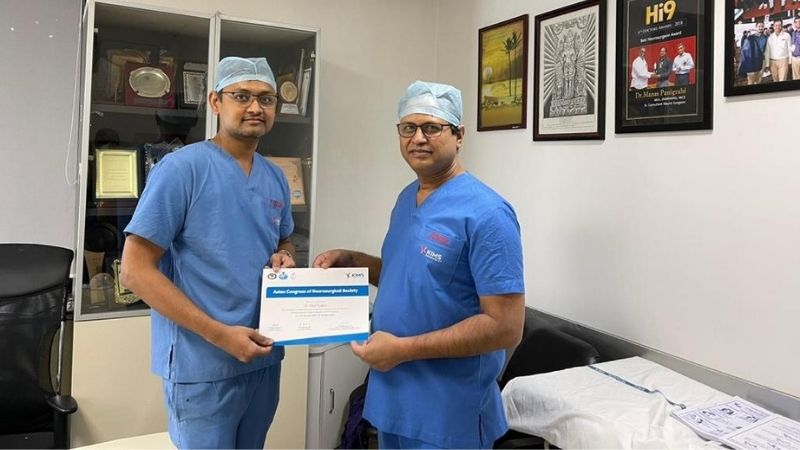
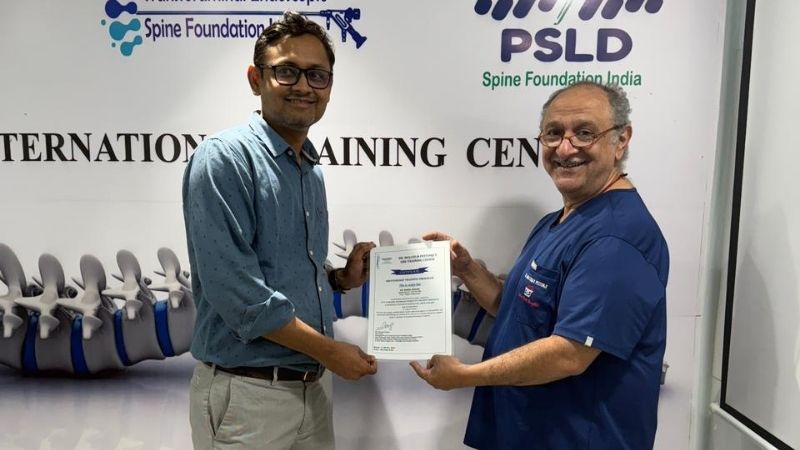
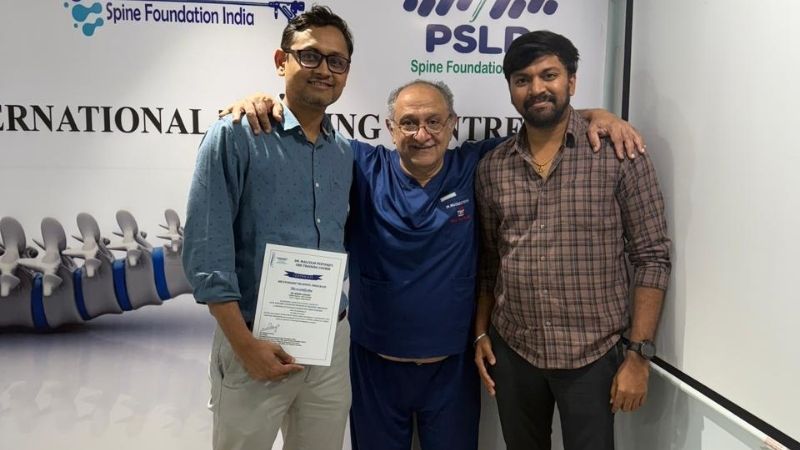
Why Choose Dr. Nikhil Kakani in Nagpur?

In a city where access to advanced neurosurgical care was limited just a few years ago, Dr. Kakani’s clinic offers a reliable solution. What sets this practice apart includes:

1. Clinical Expertise
His specialized training in neurosurgery and spine care equips him to handle complex cases with precision.

2. Evidence‑Based Practice
Diagnosis and treatment decisions are supported by scientific evidence and structured clinical reasoning.

3. Patient Education Focus
Before any intervention, patients understand their condition, options, and expected progress.

4. Minimally Invasive Prioritization
Where possible and safe, minimally invasive techniques are recommended to enhance recovery.

5. Integrated Care Model
Neurology, physiotherapy, rehabilitation, and follow‑up are coordinated to support long‑term health.

As a result, patients benefit from both surgical skill and structured care planning. In conjunction with advanced diagnostics, this collaborative framework elevates overall treatment quality.

How to Book a Consultation

To consult Dr. Nikhil Kakani or schedule an assessment at Brain Spine and Dental Super Speciality Clinic:

Call for Appointment: +91‑72761‑35101

Visit Clinic: Ramdaspeth, Nagpur, Maharashtra, India

During the first visit, patients are advised to bring relevant medical records, imaging studies, and a list of symptoms. This preparation helps the neurosurgical team evaluate conditions efficiently and plan next steps without delay.

Conclusion

Choosing a Back Pain Specialist Doctor in Nagpur significantly improves the likelihood of accurate diagnosis, effective treatment, and long-term pain control. Because back pain arises from diverse causes — ranging from musculoskeletal strain to nerve compression and structural spine disorders — specialized evaluation becomes critical for both immediate relief and functional restoration. At Dr. Kakani’s Brain Spine & Dental Super Speciality Clinic, patients receive evidence-based assessment, personalized treatment plans, advanced surgical consideration when needed, integrated rehabilitation support, and preventive guidance for sustainable back health. Therefore, seeking early specialist consultation transforms back pain from a chronic burden into a manageable clinical condition with improved quality of life.

FAQs – Back Pain Specialist Doctor in Nagpur

1. When should I see a back pain specialist doctor?
You should consult a specialist when pain lasts more than 4–6 weeks, radiates into the legs, or is accompanied by numbness, weakness, or functional loss.

2. Can back pain be treated without surgery?
Yes; many cases improve with conservative care including physical therapy, medication optimization, and lifestyle modification.

3. What tests are commonly recommended?
MRI, CT scan, nerve conduction studies, and X-rays may be advised based on clinical findings.

4. Is minimally invasive treatment available for back pain?
Yes; targeted procedures such as microdiscectomy and endoscopic decompression are available when medically appropriate.

5. Can lifestyle changes help prevent back pain?
Yes; exercise, ergonomic adjustments, weight management, and proper posture significantly support long-term spine health.

Connect with Dr. Nikhil Kakani Online – Stay Informed About Brain & Spine Health
Call Now Button