Brain Tumor Surgeon In Nagpur
A brain tumor diagnosis can bring many questions about treatment, surgery, recovery, and the next steps. Moreover, brain tumors can differ in type, size, location, growth pattern, and effect on nearby brain structures. Therefore, patients searching for a Brain Tumor Surgeon In Nagpur should consult a qualified neurosurgical specialist for a detailed evaluation. In addition, the surgeon can review neurological symptoms, medical history, imaging reports, and overall health before discussing treatment options. As a result, patients can understand their diagnosis and make informed decisions about their care.
Brain tumor treatment requires careful planning because the brain controls many important functions. Moreover, symptoms can vary according to the area affected and may include headaches, seizures, vision changes, weakness, balance problems, or changes in behavior.
Brain Tumor Surgeon In Nagpur
What Does A Brain Tumor Surgeon Do?
A brain tumor surgeon evaluates and surgically treats selected tumors and other conditions affecting the brain. Moreover, the surgeon considers tumor location, size, type, symptoms, surrounding structures, and the patient’s general health. Therefore, the specialist may recommend surgery when it can provide an appropriate treatment benefit. In addition, brain tumor care may involve neurologists, oncologists, radiologists, radiation specialists, and rehabilitation professionals. As a result, patients can receive coordinated care according to their specific diagnosis.
Why Consult A Brain Tumor Surgeon In Nagpur?
Choosing a brain tumor specialist requires more than searching for a convenient clinic. Moreover, patients should consider neurosurgical experience, diagnostic facilities, surgical technology, multidisciplinary support, rehabilitation, and follow-up care. Therefore, people looking for a Brain Tumor Surgeon In Nagpur should discuss their diagnosis and treatment options with a qualified specialist. In addition, clear communication can help patients understand the purpose of surgery, possible alternatives, risks, and recovery expectations. As a result, you can approach treatment with greater clarity and confidence.
What Is A Brain Tumor?
A brain tumor develops when abnormal cells grow within or around the brain. Moreover, tumors can behave differently depending on their type and characteristics. Therefore, doctors need detailed diagnostic information before deciding on treatment. In addition, some tumors may require observation, medication, surgery, radiation treatment, or a combination of approaches. As a result, treatment should always follow the specific diagnosis rather than a general assumption about brain tumors.
Types Of Brain Tumors
Brain tumors can have different origins and biological characteristics. Moreover, doctors classify tumors according to factors such as their cell type, location, and behavior. Therefore, specialists may evaluate conditions such as:
Gliomas
Meningiomas
Pituitary tumors
Schwannomas
Metastatic brain tumors
Other primary brain tumors
Selected tumors affecting nearby structures
In addition, your medical team may recommend laboratory, imaging, or tissue-based investigations to understand the tumor more accurately. As a result, doctors can select a treatment approach according to the specific diagnosis.
Brain Tumor Surgeon In Nagpur
Symptoms That May Indicate A Brain Tumor
Brain tumor symptoms can vary significantly between patients. Moreover, symptoms often depend on the tumor’s location and effect on nearby brain structures. Therefore, seek medical evaluation if you experience:
- Persistent or worsening headaches
- Seizures
- Vision changes
- Persistent nausea or vomiting
- Difficulty walking
- Balance problems
- Muscle weakness
- Numbness or altered sensation
- Speech difficulties
- Memory or concentration changes
- Personality or behavioral changes
In addition, sudden or severe neurological symptoms require urgent medical attention.
Brain Tumor Surgeon In Nagpur
How Do Doctors Diagnose Brain Tumors?
Accurate diagnosis helps the medical team understand the tumor and select an appropriate treatment strategy. Moreover, your specialist will review your symptoms, medical history, neurological findings, and previous investigations. Therefore, the evaluation may include a neurological examination and imaging such as MRI or CT. In addition, doctors may recommend other tests or tissue analysis when necessary to determine the tumor type. As a result, comprehensive diagnosis can support individualized treatment planning.
Role Of MRI In Brain Tumor Diagnosis
MRI provides detailed images of the brain and surrounding structures. Moreover, doctors can use MRI findings to assess the location, size, and characteristics of a suspected tumor. Therefore, a neurosurgeon may review MRI images when evaluating surgical options. In addition, specialized MRI techniques may provide additional information in selected cases. However, imaging alone cannot determine the complete treatment plan. As a result, your surgeon combines imaging findings with neurological examination and other clinical information.
When Does A Brain Tumor Need Surgery?
Not every brain tumor requires immediate surgery. Moreover, doctors consider tumor type, size, location, symptoms, growth pattern, overall health, and available treatment options. Therefore, your neurosurgeon may recommend observation or another treatment when surgery does not provide the most appropriate option. In addition, surgery may help selected patients when the tumor causes significant symptoms, pressure, or other clinical concerns. As a result, your treatment decision should follow a detailed specialist evaluation.
Brain Tumor Surgery In Nagpur
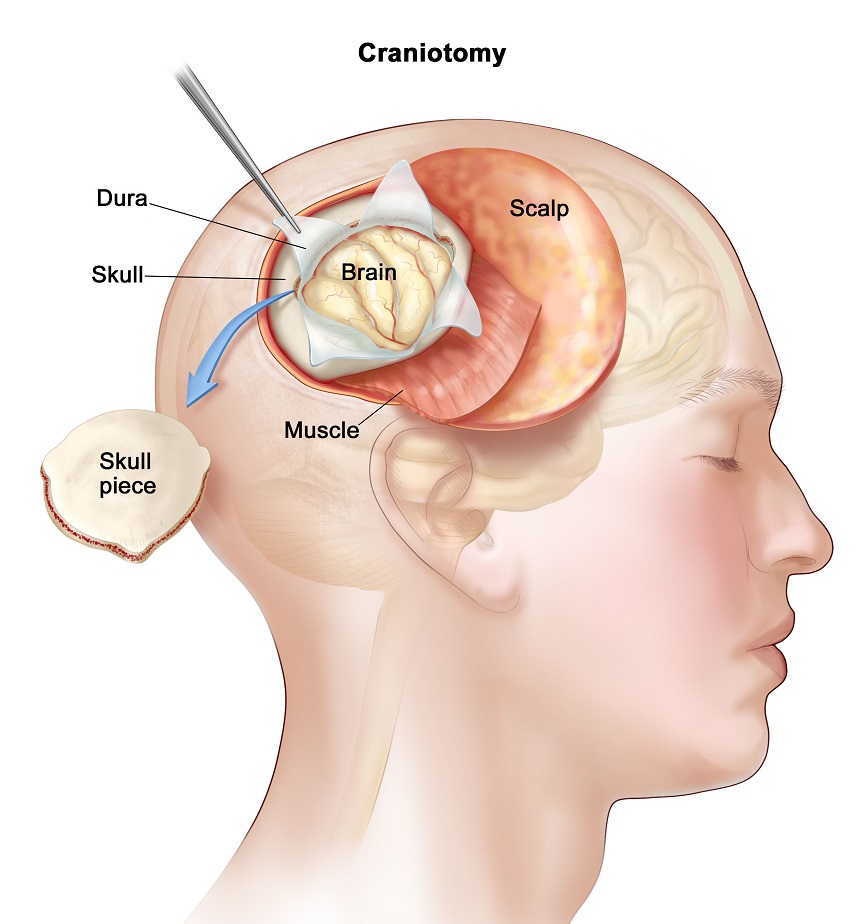
Brain tumor surgery aims to address the tumor while protecting important brain structures whenever clinically possible. Moreover, the surgical approach depends on the tumor’s location, size, characteristics, and relationship with nearby structures. Therefore, your Brain Tumor Surgeon In Nagpur can explain the recommended procedure after reviewing your diagnostic information. In addition, advanced imaging and surgical planning can support selected procedures. As a result, careful preparation can help the surgical team develop an individualized treatment strategy.
Book An Appointment With A Brain Tumor Surgeon In Nagpur
A brain tumor diagnosis requires careful evaluation and individualized treatment planning. Moreover, a specialist consultation can help you understand your diagnosis, available treatment options, and next steps. Therefore, if you are searching for a Brain Tumor Surgeon In Nagpur, schedule a consultation with a qualified neurosurgical specialist.
In addition, bring your MRI scans, CT reports, pathology reports, prescriptions, and previous medical records when available. As a result, your surgeon can review your history and guide you toward the most appropriate next step. Book An Appointment
Brain Tumor Surgeon In Nagpur
Frequently Asked Questions
Connect with Dr. Nikhil Kakani Online – Stay Informed About Brain & Spine Health