Brain Tumor Treatment in Nagpur | Dr. Nikhil Kakani
A brain tumor develops when abnormal cells grow inside or around the brain. Some brain tumors grow slowly, while others can grow more quickly and require prompt medical evaluation. Moreover, brain tumors can be benign or malignant, and their symptoms can vary depending on their size, location, and growth pattern.
If you experience persistent headaches, seizures, vision changes, balance problems, weakness, or unexplained changes in speech or memory, consult a qualified neurospecialist. Therefore, timely evaluation can help identify the underlying cause and guide appropriate treatment.
What Causes Brain Tumors?
The exact cause of many brain tumors remains unknown. However, certain factors may increase the risk of developing some types of brain tumors. These factors can include exposure to certain forms of radiation, specific genetic conditions, and a family history of particular tumors.
In addition, doctors consider the patient’s age, symptoms, medical history, and diagnostic findings when evaluating a suspected brain tumor. Therefore, regular medical assessment becomes important when unusual or persistent neurological symptoms occur.
Common Symptoms of a Brain Tumor
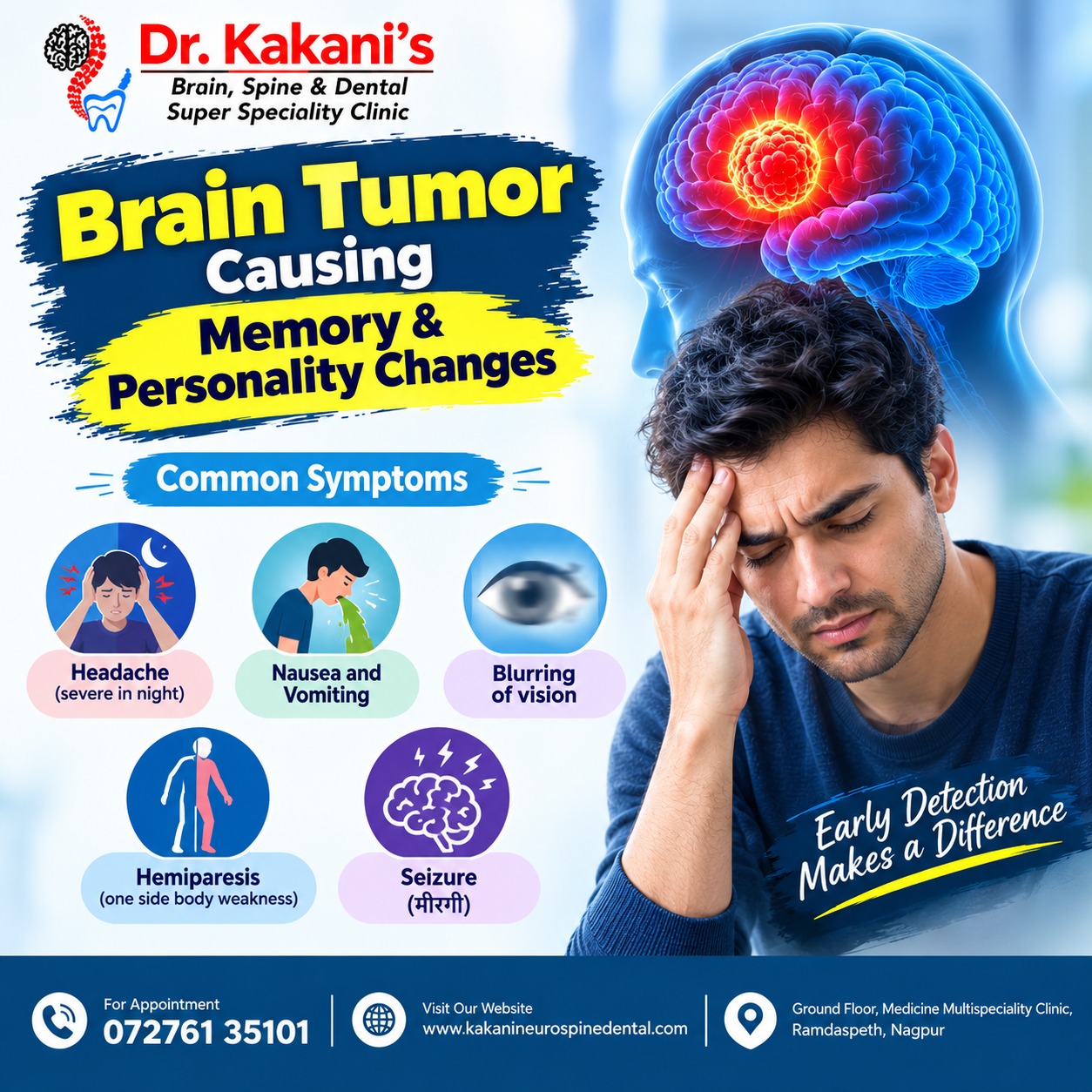
Brain tumor symptoms can differ significantly from one person to another. Common symptoms may include:
- Persistent or worsening headaches
- Seizures
- Nausea or vomiting
- Blurred or double vision
- Difficulty walking or maintaining balance
- Weakness or numbness
- Speech or hearing difficulties
- Memory or concentration changes
- Personality or behavioral changes
Moreover, having one of these symptoms does not automatically mean that a person has a brain tumor. A specialist needs to evaluate the symptoms and perform appropriate diagnostic tests.
How Is a Brain Tumor Diagnosed?
Doctors may use neurological examinations and imaging tests to investigate a suspected brain tumor. MRI and CT scans can provide detailed images of the brain and help doctors understand the location and characteristics of an abnormal growth.
In some cases, doctors may recommend additional tests or a biopsy to determine the tumor type and grade. Therefore, the diagnostic approach depends on the patient’s symptoms, imaging findings, overall health, and clinical assessment.
Brain Tumor Treatment in Nagpur
Brain tumor treatment depends on several factors, including the tumor type, size, location, grade, symptoms, and the patient’s overall health. Moreover, doctors may recommend one or a combination of treatment approaches.
Surgery
Surgery may help remove all or part of a brain tumor when its location and characteristics make surgical treatment appropriate. The neurosurgical approach depends on the tumor’s position and its relationship with important brain structures.
Radiation Therapy
Radiation therapy uses focused radiation to target tumor cells. Doctors may recommend it after surgery or as part of treatment for tumors that require additional control.
Chemotherapy and Other Treatments
Certain brain tumors may respond to chemotherapy or other medical treatments. Therefore, specialists select treatment according to the specific tumor diagnosis rather than using the same approach for every patient.
Why Timely Treatment Matters
Early medical evaluation can help doctors understand neurological symptoms and identify serious conditions. However, treatment timing depends on the tumor type, growth pattern, symptoms, and diagnostic findings.
Moreover, patients should discuss their diagnosis and available treatment options with a qualified neurosurgeon and the appropriate multidisciplinary medical team.
When Should You Consult a Neurosurgeon?
You should consider medical evaluation if you develop persistent or worsening headaches, repeated seizures, unexplained weakness, vision problems, balance difficulties, or significant changes in speech, memory, or behavior.
In addition, sudden or severe neurological symptoms require urgent medical attention. A specialist can assess the symptoms and recommend appropriate diagnostic investigations.
Brain Tumor Treatment in Nagpur – Dr. Nikhil Kakani
If you are looking for Brain Tumor Treatment in Nagpur, Dr. Nikhil Kakani provides neurosurgical evaluation and treatment based on the patient’s condition and diagnosis. Moreover, treatment planning focuses on understanding the tumor and selecting an appropriate management approach.
Patients can discuss their symptoms, diagnostic reports, and treatment options during a consultation to understand the next steps for their condition.
Frequently Asked Questions