
- September 29, 2026
- DrnikhilK
- 11:52 am
Spine TB: Can Tuberculosis Damage Your Spine?
What Is Spinal TB?
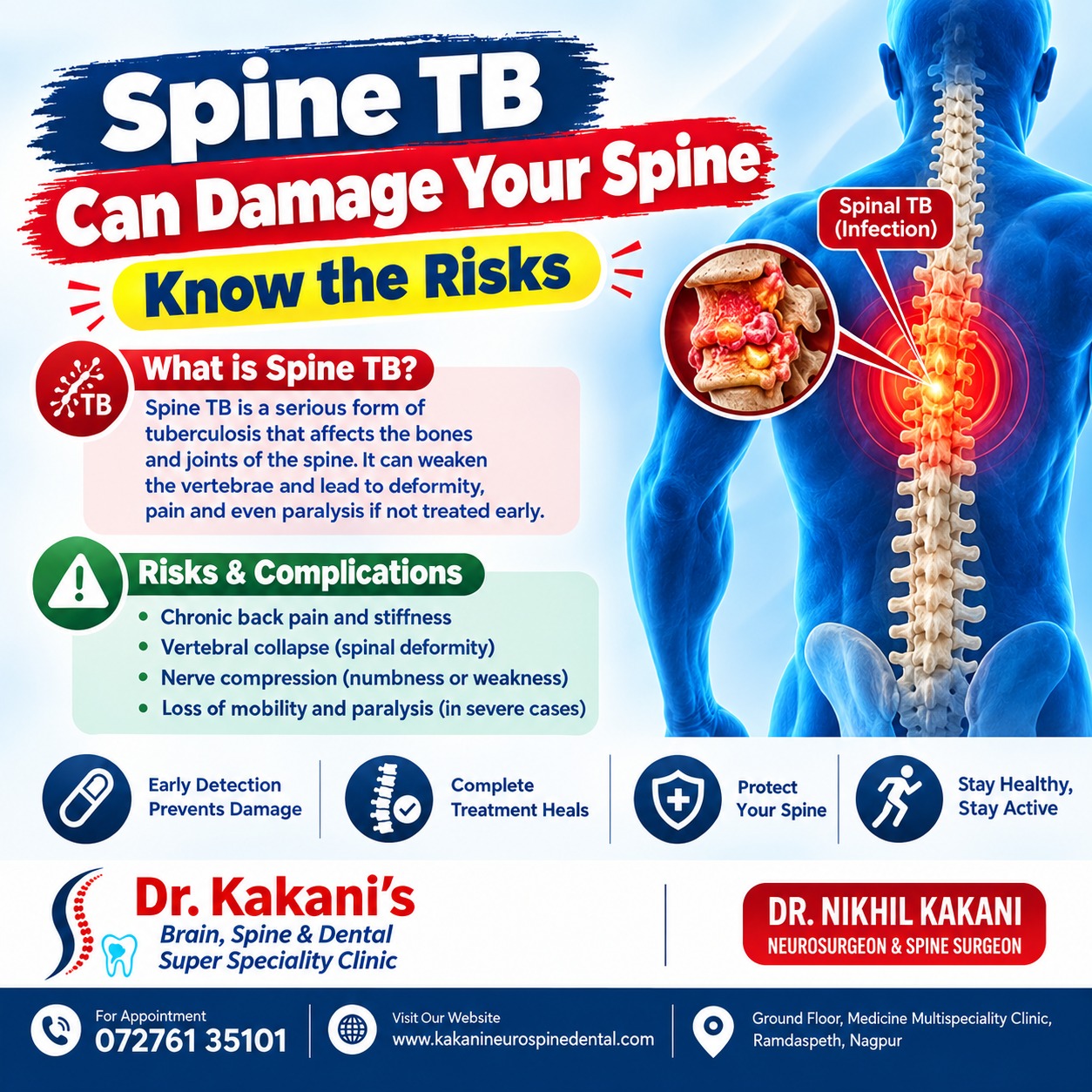
Spinal TB occurs when tuberculosis affects the bones and joints of the spine. The infection can cause inflammation and damage to the vertebrae and discs. As the disease progresses, it may result in vertebral collapse, spinal deformity or pressure on nearby nerves and the spinal cord.
The spine is one of the sites that can be affected by extrapulmonary TB, meaning TB occurring outside the lungs. Back pain is a recognized symptom when TB affects the spine.
What Are the Symptoms of Spine TB?
Symptoms can develop slowly and may vary depending on the part of the spine involved.
Common symptoms may include:
- Persistent or gradually worsening back pain
- Back stiffness
- Localized tenderness or discomfort
- Difficulty with movement
- Unexplained weight loss
- Fever or night sweats
- Fatigue or weakness
- Pain that may radiate to the limbs
- Numbness or weakness in the arms or legs in cases involving nerve or spinal cord compression
TB symptoms can develop gradually over weeks or months, which is one reason spinal TB may initially be confused with other causes of back pain.
When Should You Seek Medical Evaluation?
Can Spine TB Damage the Spine?
Yes. Untreated or advanced spinal TB can damage the structures of the spine.
Possible complications include:
1. Vertebral Damage
TB infection can affect the vertebral bones and may contribute to weakening or collapse of the affected vertebrae.
2. Spinal Deformity
Progressive vertebral destruction can result in abnormal curvature or deformity of the spine. Historical WHO guidance describes vertebral collapse and angulation as possible manifestations of spinal TB.
3. Nerve Compression
Inflammation, bone destruction or collections associated with infection can place pressure on nearby nerves.
This may result in:
- Numbness
- Tingling
- Radiating pain
- Muscle weakness
- Difficulty walking
4. Spinal Cord Compression
In severe cases, spinal cord involvement can cause significant neurological problems. This is why neurological symptoms associated with suspected spinal TB require prompt medical assessment.
How Is Spinal TB Diagnosed?
Diagnosing spinal TB generally requires a combination of medical history, physical examination and appropriate investigations.
Depending on the individual case, a doctor may recommend:
- Blood investigations
- TB-related tests
- X-ray
- MRI of the spine
- CT scan when appropriate
- Microbiological testing
- Tissue or fluid sampling/biopsy in selected cases
TB diagnosis may involve laboratory testing and evaluation of the affected body site. The CDC notes that microbiological testing can include culture and other laboratory methods, while additional testing may be required for extrapulmonary disease.
MRI is particularly useful for evaluating the spinal structures, surrounding soft tissues and possible neurological compression, while the exact investigation plan should be decided by the treating specialist.
How Is Spine TB Treated?
Treatment depends on the patient’s condition, the extent of disease, neurological status and drug susceptibility.
Anti-TB Medication
Spinal TB is treated with appropriate anti-tuberculosis medicines under medical supervision. Completing the prescribed treatment is important because stopping treatment early or taking medicines incorrectly can contribute to treatment failure and drug resistance.
The duration and combination of medicines should be determined by the treating doctor according to the patient’s diagnosis and applicable TB treatment guidelines.
When Is Surgery Needed?
Not every patient with spinal TB requires surgery.
However, surgery may be considered in selected cases, such as when there is:
- Significant spinal cord or nerve compression
- Progressive neurological weakness
- Severe spinal instability
- Significant spinal deformity
- Vertebral destruction
- An abscess or other complication requiring surgical management
- Failure of appropriate medical treatment
Management of spinal TB may require coordination between spine specialists, radiologists, infectious-disease/TB specialists and rehabilitation professionals. Indian Index-TB guidance also highlights specialist multidisciplinary management and close monitoring for neurological deterioration.
Can Spine TB Be Prevented From Causing Permanent Damage?
Spine TB: Key Takeaway
FAQs About Sciatica
Is spinal TB the same as normal back pain?
Is spinal TB curable?
Can spinal TB cause paralysis?
Advanced spinal TB can sometimes cause neurological complications, including spinal cord or nerve compression. Early diagnosis and appropriate treatment are important.