
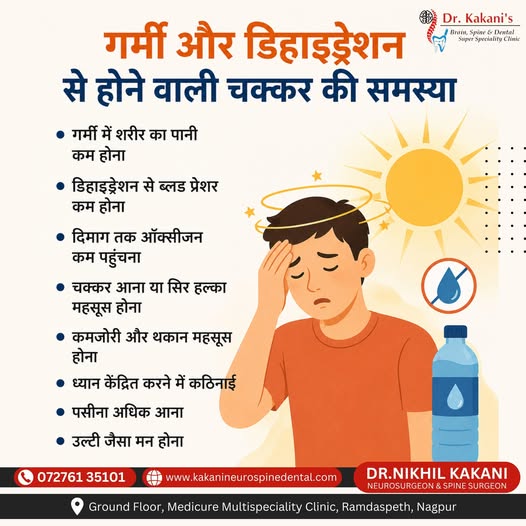
Summer temperatures continue to rise every year, and excessive heat can seriously affect your health. One of the most common summer health problems is dehydration, which occurs when the body loses more fluids than it takes in. Many people ignore early symptoms like dizziness or weakness, assuming they are caused by tiredness. However, untreated dehydration can lead to serious health complications.
If you frequently experience dizziness, fatigue, weakness, or difficulty concentrating, your body may be lacking proper hydration. Therefore, staying hydrated during hot weather is extremely important for maintaining overall health and energy levels.
What is Dehydration?
Dehydration happens when the body loses excessive amounts of water and essential minerals without proper replacement. During summer, sweating increases due to high temperatures, causing fluid loss from the body.
Water is essential for proper brain function, muscle activity, digestion, and body temperature control. When the body lacks sufficient fluids, several organs begin to function less effectively.
In hot weather, the body naturally produces more sweat to maintain a normal temperature. As a result, the body loses water and electrolytes rapidly.
Several factors can increase the risk of dehydration, including:
- Drinking less water
- Staying in direct sunlight for long periods
- Excessive physical activity
- Hot and humid weather
- Vomiting or diarrhea
- High caffeine intake
- Poor eating habits
Children, elderly individuals, and people with medical conditions are especially vulnerable during extreme heat.
Common Symptoms of Dehydration
Early signs of dehydration may appear mild, but they can worsen quickly if ignored.
Common symptoms include:
- Excessive thirst
- Dry mouth
- Dizziness
- Weakness and fatigue
- Difficulty concentrating
- Headache
- Lightheadedness
- Reduced urination
- Dry skin
Therefore, recognizing these symptoms early can help prevent serious complications.
Effects of Dehydration on the Brain
Dehydration not only affects physical health but also impacts brain function. Even mild dehydration can reduce mental performance and concentration.
As a result, people may experience:
- Poor focus
- Mental fatigue
- Irritability
- Head heaviness
- Reduced alertness
- Memory difficulties
In severe cases, dehydration may even cause fainting or confusion. Hence, timely medical attention becomes essential.
Easy Ways to Prevent Dehydration
Fortunately, dehydration can often be prevented by following simple healthy habits during summer.
1. Drink Plenty of Water
Drink at least 8–10 glasses of water daily. Increase your intake if you sweat excessively or spend time outdoors.
2. Consume Electrolytes
ORS, coconut water, lemon water, and electrolyte-rich drinks help restore lost minerals and maintain hydration.
3. Avoid Excessive Sun Exposure
Try to stay indoors during peak afternoon heat. Additionally, wear light-colored clothing, sunglasses, and use umbrellas or caps while going outside.
4. Eat Water-Rich Foods
Include fruits and vegetables such as watermelon, cucumber, oranges, and tomatoes in your daily diet.
5. Reduce Caffeine and Junk Food
Too much tea, coffee, soft drinks, and oily foods may worsen dehydration. Therefore, choose healthier food options whenever possible.
Expert Care You Can Trust
Dr. Kakani’s Brain, Spine & Dental Super Speciality Clinic provides advanced care for neurological, brain, spine, and general health concerns. The clinic focuses on accurate diagnosis, expert consultation, and personalized treatment for patients experiencing dizziness, weakness, and other health issues related to heat and dehydration.
If you or your loved ones are experiencing repeated symptoms related to dehydration, timely medical evaluation is highly recommended.