Braces in Nagpur at Kakani’s Brain Spine and Dental Super Speciality Clinic
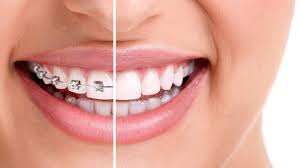
Braces in Nagpur are orthodontic devices designed to correct misaligned teeth, bite issues, and jaw irregularities. At Kakani’s Brain Spine and Dental Super Speciality Clinic, braces treatment focuses on improving dental alignment, enhancing oral function, and supporting long-term oral health. Misaligned teeth can cause difficulty in chewing, speech challenges, and uneven wear, potentially leading to gum problems and cavities over time. Dr. Kakani carefully evaluates each patient using advanced diagnostic tools to determine the ideal treatment approach. Braces gradually move teeth into proper positions by applying controlled pressure over time. This corrective process not only improves aesthetics but also ensures better oral hygiene, as aligned teeth are easier to clean. Through a combination of expert planning, patient education, and ongoing adjustments, braces treatment at the clinic is designed for predictable outcomes and lasting oral stability.
Types of Braces
Road traffic accidents remain a leading cause of facial fractures. AdditionallyBraces in Nagpur come in several types to suit different needs and preferences. Traditional metal braces are the most common, using brackets and wires to apply precise pressure on teeth.
Ceramic braces are similar but use tooth-colored materials for a more aesthetic appearance. Lingual braces are placed behind the teeth for a completely hidden look, while clear aligners offer removable, discreet options for minor corrections. Dr. Kakani assesses each patient’s dental condition and lifestyle to recommend the most suitable type. Choosing the right braces ensures effective treatment, comfort, and compliance throughout the orthodontic process., physical assaults and contact sports frequently result in jaw injuries. Therefore, protective measures like helmets and mouthguards significantly reduce risk.
Meanwhile, weakened bone structure due to underlying medical conditions may increase susceptibility to fractures. Consequently, even minor trauma can cause serious injury in vulnerable individuals. Identifying the exact cause helps guide both treatment and preventive strategies.
Who Needs Braces?
Braces are recommended for individuals with crooked teeth, overcrowding, gaps, or bite problems such as overbite, underbite, and crossbite. Misaligned teeth can affect chewing efficiency, speech, and oral hygiene, increasing the risk of cavities and gum disease.
Children, teenagers, and adults can benefit from braces, although treatment approaches may differ by age. At Kakani’s Brain Spine and Dental Super Speciality Clinic, patients receive a detailed evaluation, including digital imaging and bite analysis, to determine whether braces are necessary and which type will provide the best results. Early intervention can prevent more severe orthodontic issues later.
Initial Evaluation and Planning
Before braces are applied, patients undergo a comprehensive orthodontic assessment. This includes dental impressions, photographs, and X-rays to analyze teeth alignment, jaw structure, and bite relationships.
Dr. Kakani uses this information to create a customized treatment plan that specifies the type of braces, estimated duration, and adjustment schedule. Patient education is a key part of the planning stage, explaining the importance of oral hygiene, dietary considerations, and care instructions. Proper planning ensures safer treatment and more predictable outcomes.
The Braces Procedure
Applying braces is a multi-step process. For traditional braces, brackets are bonded to teeth, and wires are threaded to connect them. These wires are periodically adjusted to guide teeth into correct alignment gradually.
Clear aligners are custom-made and removable, requiring patient compliance for optimal results. Throughout treatment, patients visit Kakani’s Brain Spine and Dental Super Speciality Clinic regularly for adjustments and monitoring. Dr. Kakani ensures each adjustment moves teeth safely while minimizing discomfort. This structured approach provides consistent progress and a well-aligned, healthy smile.
Benefits of Braces
Care and Maintenance
Maintaining oral hygiene with braces is crucial to prevent cavities and gum problems. Patients are advised to brush carefully around brackets, floss daily, and avoid sticky or hard foods that can damage braces.
Regular visits to Kakani’s Brain Spine and Dental Super Speciality Clinic ensure that braces are functioning correctly, and adjustments are made as needed. Patient compliance with care instructions significantly impacts treatment effectiveness and overall oral health during orthodontic therapy.
Duration of Treatment
The duration of braces treatment varies depending on the severity of misalignment and the type of braces used. Most treatments last between 12 to 36 months, with periodic adjustments every 4–6 weeks.
Dr. Kakani monitors progress closely at each visit to ensure teeth move safely and efficiently. With consistent follow-ups, proper oral care, and patient cooperation, the treatment duration can be optimized while achieving excellent long-term results.
Potential Risks and Considerations
Why Choose Dr. Kakani for Braces in Nagpur?
At Kakani’s Brain Spine and Dental Super Speciality Clinic, Dr. Kakani ensures each treatment is customized to patient needs. Comprehensive evaluation, precise planning, and ongoing patient education are central to the approach.
The clinic emphasizes preventive care, regular monitoring, and functional improvement alongside aesthetic enhancement. Patients receive guidance on oral hygiene, dietary considerations, and adjustment schedules. This combination of expertise, precision, and patient-focused care ensures braces treatment is comfortable, effective, and predictable.
If you are experiencing persistent headaches, seizures, or unexplained neurological symptoms, timely evaluation becomes important. You can book an appointment with Dr. Kakani at Kakani’s Brain Spine and Dental Super Speciality Clinic for a detailed neurological assessment and personalized guidance regarding brain health concerns.
Frequently Asked Questions
Who can get braces?
Children, teenagers, and adults with misaligned teeth or bite issues can benefit from it.
Are braces painful?
Mild discomfort occurs during adjustments, but the procedure is generally well-tolerated.
How long do braces take to work?
Treatment usually ranges from 12 to 36 months depending on severity and type.
Can I eat normally with braces?
Certain foods should be avoided, while soft and non-sticky foods are recommended.
How often are adjustments needed?
Regular visits every 4–6 weeks ensure proper movement and progress monitoring.