Gum Surgery in Nagpur at Kakani’s Brain Spine and Dental Super Speciality Clinic
Gum Surgery in Nagpur is a specialized dental procedure designed to treat advanced gum disease, correct gum recession, and restore overall oral health. At Kakani’s Brain Spine and Dental Super Speciality Clinic, the procedure is performed with a focus on preserving natural teeth and improving gum function. Gum disease, if left untreated, can lead to tooth loss, bone deterioration, and persistent inflammation, affecting both oral health and general well-being. Therefore, early intervention and corrective surgery are crucial for patients experiencing significant gum problems. Under the guidance of Dr. Kakani, each patient undergoes a thorough assessment to determine the severity of gum disease, including probing, imaging, and overall oral examination. This allows the surgical plan to be tailored to individual needs, ensuring optimal outcomes and minimal post-operative complications. Gum surgery not only restores the gum’s protective function but also enhances the appearance of the smile, improving confidence and long-term oral stability.
Understanding Gum Surgery
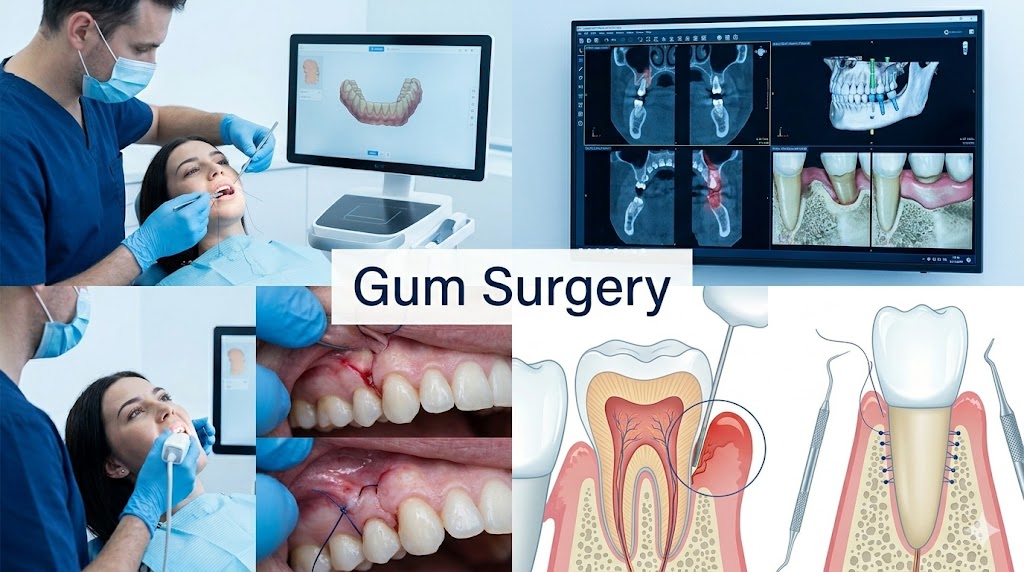
Gum Surgery involves various techniques to treat diseased or damaged gum tissue, including flap surgery, gum grafting, and pocket reduction. These procedures aim to remove infection, restore healthy tissue, and prevent further bone and tooth loss. Patients with deep periodontal pockets or severe gum recession are typical candidates.
Flap surgery allows the dentist to lift the gums gently, clean underlying roots, and remove bacterial buildup. Gum grafting involves transferring tissue to areas with significant recession to improve coverage and aesthetics. By addressing both functional and cosmetic concerns, gum surgery ensures long-term stability and healthier oral tissues.
Causes of Gum Problems Requiring Surgery
Gum disease that necessitates surgical intervention often develops due to plaque accumulation, poor oral hygiene, smoking, or systemic health issues such as diabetes. Over time, untreated inflammation can lead to deep periodontal pockets and bone loss, compromising tooth stability.
Additionally, genetic predisposition, hormonal changes, or medications may contribute to receding gums and tissue fragility. Identifying the underlying causes is essential to prevent recurrence after surgery. Dr. Kakani evaluates these factors carefully to create a customized treatment plan and support long-term oral health.
Signs You May Need Gum Surgery
Procedure Overview
Benefits of Gum Surgery
Gum Surgery not only treats advanced periodontal disease but also preserves natural teeth and jawbone structure. By removing infection and restoring tissue integrity, it reduces the risk of future tooth loss and dental complications.
Additionally, gum grafting can improve aesthetics by covering exposed roots and creating a balanced, healthy-looking gum line. Patients also benefit from reduced sensitivity, improved chewing efficiency, and enhanced confidence in their smile. Overall, gum surgery contributes to long-term oral health and functional stability.
Recovery and Care
Risks and Considerations
Why Choose Dr. Kakani for Gum Surgery in Nagpur?
If you are experiencing persistent headaches, seizures, or unexplained neurological symptoms, timely evaluation becomes important. You can book an appointment with Dr. Kakani at Kakani’s Brain Spine and Dental Super Speciality Clinic for a detailed neurological assessment and personalized guidance regarding brain health concerns.
Frequently Asked Questions
Who is a candidate for gum surgery?
Patients with deep gum pockets, receding gums, or advanced periodontal disease are usually candidates.
Is the procedure painful?
Local anesthesia is used, and mild post-operative discomfort is manageable with medication.
How long is recovery?
Most patients resume normal function within weeks, with full gum stabilization in months.
Can gum surgery improve aesthetics?
Yes, grafting techniques can cover exposed roots and create a balanced gum line.
Are there risks involved?
Risks are minimal with proper planning and post-operative care, including swelling or temporary sensitivity.