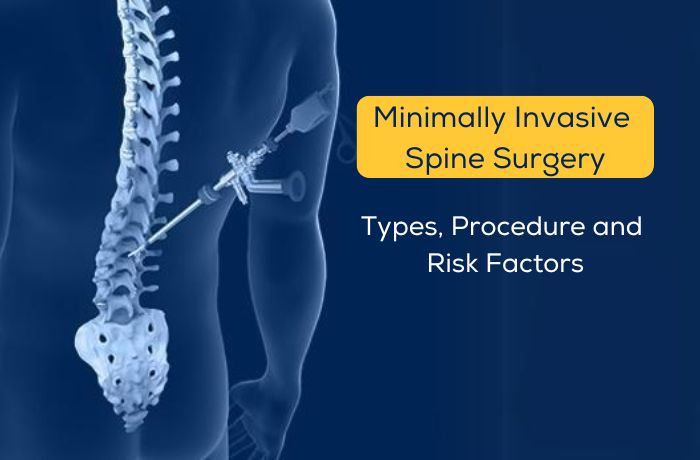
Depending on the diagnosis and severity of the spinal condition, specialists at Dr. Kakani’s Brain, Spine and Dental Super Speciality Clinic may recommend one of the following minimally invasive procedures to restore function and relieve pain:
1. Microdiscectomy
Surgeons perform microdiscectomy to treat herniated discs that compress spinal nerves. Using a small incision and microscopic guidance, they remove the portion of the disc pressing on the nerve. This procedure effectively relieves radiating pain, numbness, and weakness while preserving surrounding muscles and tissues.
2. Minimally Invasive Laminectomy
To treat spinal stenosis, surgeons perform a minimally invasive laminectomy by removing a small portion of bone or thickened ligament that is compressing the spinal cord or nerves. This creates more space within the spinal canal, reducing pain and improving mobility.
3. Endoscopic Spine Surgery
In endoscopic spine surgery, surgeons use a tiny high-definition camera inserted through a very small incision. This allows them to visualize and treat the affected area with exceptional precision, resulting in minimal tissue disruption, less post-operative discomfort, and faster recovery.
4. Minimally Invasive Spinal Fusion
When spinal instability or vertebral slippage occurs, surgeons perform minimally invasive spinal fusion to stabilize the affected segments. Through small incisions, they align and fuse the vertebrae using specialized instruments, restoring structural strength and preventing abnormal movement.
5. Vertebroplasty / Kyphoplasty
To treat spinal compression fractures, often caused by osteoporosis or trauma, surgeons inject medical-grade bone cement into the fractured vertebra (vertebroplasty) or first restore vertebral height using a balloon before cement placement (kyphoplasty). These procedures provide rapid pain relief and improved spinal stability.
Before performing any procedure, specialists carefully plan the treatment using advanced imaging techniques such as MRI, CT scans, and digital surgical mapping. This thorough planning ensures precision, enhances safety, minimizes risks, and delivers long-lasting, effective results.