
Spine Tumor - Kakani's Brain Spine and Dental Super Speciality Clinic
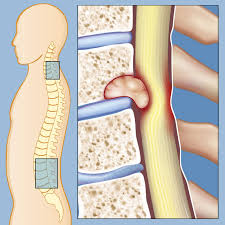
A spine tumor is an abnormal growth that develops in or around the spinal cord or vertebrae, potentially causing pain, neurological symptoms, or mobility issues. Consequently, early diagnosis of a spine tumor is critical for preventing nerve damage.
Meanwhile, tumors may be primary or secondary, originating from the spine itself or spreading from other organs. Therefore, patients experiencing back pain, numbness, or weakness should explore related neurological treatments promptly to minimize complications.
Common Symptoms of Spine Tumor at Kakani's Brain Spine and Dental Super Speciality Clinic
Symptoms of a spine tumor often include persistent back pain, stiffness, and discomfort that worsens at night or with activity. Numbness, tingling, or weakness in the limbs may also indicate nerve compression.
Additionally, patients may experience balance issues, difficulty walking, or bladder and bowel disturbances. Consequently, timely evaluation by specialists such as Dr. Kakani ensures appropriate diagnosis and early treatment to prevent long-term neurological deficits.
Causes and Risk Factors of Spine Tumor
Spine tumors may develop due to genetic predisposition, previous cancers, radiation exposure, or unknown factors. Meanwhile, age, immune system status, and lifestyle can influence risk.
Furthermore, secondary tumors often result from metastasis of cancers originating in organs such as the lungs, breasts, or prostate. Therefore, early assessment of neurological symptoms supports accurate diagnosis and effective management.
Types of Spine Tumor Managed by Dr. Kakani
Spine tumors are classified as intramedullary, intradural-extramedullary, or extradural. Intramedullary tumors develop within the spinal cord, intradural-extramedullary grow inside the dura but outside the spinal cord, and extradural tumors appear outside the dura, often affecting vertebrae.
Understanding the tumor type is essential for planning treatment. Patients can visit our treatment page to explore both surgical and non-surgical management strategies tailored to individual needs.
Diagnosing Spine Tumor at Kakani's Brain Spine and Dental Super Speciality Clinic
Diagnosis begins with a neurological evaluation, assessing reflexes, strength, and sensory function. Meanwhile, imaging studies such as MRI, CT scans, or PET scans help locate tumors and assess their impact on spinal nerves.
Additionally, biopsy or laboratory tests may confirm tumor type. Consequently, accurate diagnosis enables targeted interventions and reduces the risk of permanent neurological injury.
Impact of Spine Tumor on Daily Life
Preventive Measures and Lifestyle Modifications
While some spine tumors are not preventable, maintaining overall health reduces risk factors for secondary tumors. Meanwhile, avoiding smoking, managing chronic illnesses, and regular medical check-ups can support early detection.
Furthermore, patient education about warning signs such as unexplained back pain, numbness, or weakness allows timely evaluation. Consequently, informed patients and families can respond promptly and reduce the severity of complications.
Complications Without Timely Treatment
Why Choose Kakani's Brain Spine and Dental Super Speciality Clinic for Spine Tumor
Long-Term Monitoring and Rehabilitation
Ongoing monitoring after spine tumor treatment is essential. Doctors may recommend periodic imaging, physiotherapy, and exercise to maintain spinal stability and function. Meanwhile, lifestyle guidance and ergonomic adjustments support recovery and reduce recurrence risk.
Consequently, structured rehabilitation restores mobility, relieves pain, and improves quality of life. Individuals seeking continuous care can learn more about our neurological services for long-term support.
Importance of Awareness for Spine Tumor
If you are experiencing persistent headaches, seizures, or unexplained neurological symptoms, timely evaluation becomes important. You can book an appointment with Dr. Kakani at Kakani’s Brain Spine and Dental Super Speciality Clinic for a detailed neurological assessment and personalized guidance regarding brain health concerns.
Frequently Asked Questions
1. What is a spine tumor?
A spine tumor is an abnormal growth in or around the spinal cord or vertebrae, potentially causing pain, numbness, weakness, or mobility issues.
2. What are common symptoms of spine tumor?
Symptoms include persistent back pain, limb numbness, tingling, weakness, balance issues, or bladder and bowel disturbances.
3. How is a spine tumor diagnosed?
Diagnosis involves neurological exams, imaging studies such as MRI or CT scans, and sometimes biopsy to determine tumor type.
4. Can spine tumor treatment restore mobility?
Yes, timely treatment, including surgery or rehabilitation, can relieve nerve compression, restore strength, and improve functional independence.
5. When should I consult a doctor for spine tumor?
Seek evaluation if you experience unexplained back pain, limb weakness, numbness, or changes in balance or bladder control. Early care prevents permanent neurological damage.