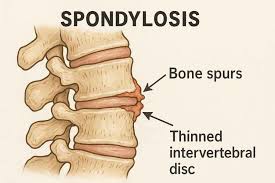
Spondylosis in Nagpur at Kakani's Brain Spine and Dental Super Speciality Clinic
Spondylosis is a degenerative condition of the spine that primarily affects the intervertebral discs and vertebrae. Consequently, it can lead to stiffness, pain, and reduced flexibility in the neck or lower back.
Meanwhile, aging, repetitive strain, poor posture, or prior spinal injuries are common contributors. Therefore, early identification of symptoms is essential to prevent nerve compression and long-term functional limitations. Patients experiencing persistent back or neck discomfort should explore related neurological treatments.
Common Symptoms of Spondylosis
Symptoms often include chronic neck or back pain, stiffness, and limited range of motion. Numbness, tingling, or weakness may occur if nerve roots are compressed. Meanwhile, headaches or radiating arm or leg pain can accompany cervical or lumbar involvement.
Additionally, patients may notice pain worsening after prolonged activity or sitting. Consequently, timely evaluation is critical to prevent progression and preserve mobility and neurological function.
Causes and Risk Factors
Spondylosis develops primarily due to age-related wear and tear of the spinal discs and joints. Meanwhile, lifestyle factors such as sedentary behavior, heavy lifting, and poor posture accelerate degeneration. Consequently, both biological and environmental factors influence disease progression.
Furthermore, genetic predisposition, previous spinal injuries, and obesity may increase susceptibility. Therefore, awareness and early intervention play a crucial role in managing symptoms and preventing complications.
Types of Spondylosis
Spondylosis can affect the cervical, thoracic, or lumbar spine. Cervical spondylosis may cause neck pain, stiffness, and arm numbness. Lumbar spondylosis often leads to lower back discomfort, leg pain, or sciatica. Meanwhile, thoracic involvement is less common but may produce mid-back stiffness and discomfort.
Understanding the affected region guides treatment and rehabilitation strategies. Patients can visit our treatment page to explore individualized care options.
Diagnosing Spondylosis
Doctors begin with a neurological assessment, evaluating reflexes, muscle strength, and sensory function. Meanwhile, imaging studies such as X-rays, MRI, or CT scans reveal disc degeneration, bone spurs, and nerve compression.
Additionally, laboratory tests may rule out inflammatory or metabolic conditions affecting bone health. Consequently, accurate diagnosis ensures appropriate interventions and reduces the risk of long-term complications.
Impact on Daily Life
Spondylosis can limit daily activities due to pain, stiffness, or numbness. Difficulty bending, lifting, or sitting for long periods may interfere with work, exercise, or household tasks. Meanwhile, chronic discomfort can contribute to fatigue and emotional stress.
Moreover, severe nerve compression may affect mobility, hand dexterity, or walking ability. Therefore, early evaluation and treatment are essential to restore function and improve overall quality of life.
Preventive Measures and Lifestyle Adjustments
Maintaining spinal health reduces the risk or severity of spondylosis. Proper posture, core and back-strengthening exercises, ergonomic adjustments, and weight management are essential. Meanwhile, avoiding repetitive strain and practicing safe lifting techniques protect the spine.
Furthermore, patient education on early symptom recognition and spinal care enhances preventive strategies. Consequently, adopting proactive measures helps minimize pain, nerve compression, and long-term functional impairment.
Complications Without Timely Treatment
Untreated spondylosis may lead to chronic pain, reduced mobility, nerve compression, or permanent neurological deficits. Severe cases may result in tingling, numbness, weakness, or loss of bladder and bowel control. Meanwhile, prolonged degeneration can reduce quality of life significantly.
Therefore, timely medical evaluation is critical. Patients experiencing persistent spinal discomfort or neurological symptoms should book your consultation today for early assessment and care.
Why Choose Kakani's Brain Spine and Dental Super Speciality Clinic
At Kakani’s Brain Spine and Dental Super Speciality Clinic, Dr. Kakani provides comprehensive evaluation and management for spondylosis. Doctors assess spinal imaging, neurological symptoms, and patient history to develop personalized care plans.
Additionally, patient education emphasizes early symptom recognition, preventive strategies, and rehabilitation guidance. Consequently, informed patients actively participate in recovery, improving long-term spinal health and mobility.
Long-Term Monitoring and Rehabilitation
Ongoing monitoring is essential for spondylosis management. Doctors may recommend periodic imaging, physical therapy, and exercises to maintain flexibility and spinal stability. Meanwhile, patients are guided on posture, ergonomics, and lifestyle adjustments.
Consequently, structured rehabilitation restores mobility, alleviates pain, and prevents further degeneration. Individuals seeking continuous support can learn more about our neurological services for long-term spinal care.
Importance of Awareness for Spondylosis
Awareness of spinal degeneration is crucial for early intervention. Recognizing back or neck pain, stiffness, or radiating limb symptoms enables prompt evaluation. Therefore, early care reduces nerve compression and long-term functional impairment.
Furthermore, educating family and caregivers helps monitor symptoms and support patients during flare-ups. Consequently, awareness combined with preventive measures strengthens long-term spinal health and neurological wellbeing.
Frequently Asked Questions
1. What is spondylosis?
Spondylosis is the age-related degeneration of spinal discs and vertebrae, causing pain, stiffness, and sometimes nerve compression in the neck or back.
2. What are common symptoms of spondylosis?
Symptoms include neck or back pain, stiffness, radiating limb pain, numbness, tingling, and reduced range of motion.
3. How is spondylosis diagnosed?
Diagnosis involves neurological examination, imaging such as X-rays, MRI, or CT scans, and review of patient history to assess spinal degeneration.
4. Can spondylosis cause nerve problems?
Yes, spinal degeneration may compress nerves, leading to numbness, tingling, weakness, or radiating pain in the arms or legs.
5. When should I see a doctor for spondylosis?
Seek evaluation if spinal pain persists, stiffness worsens, or numbness and weakness develop. Early care prevents complications and supports spinal health.